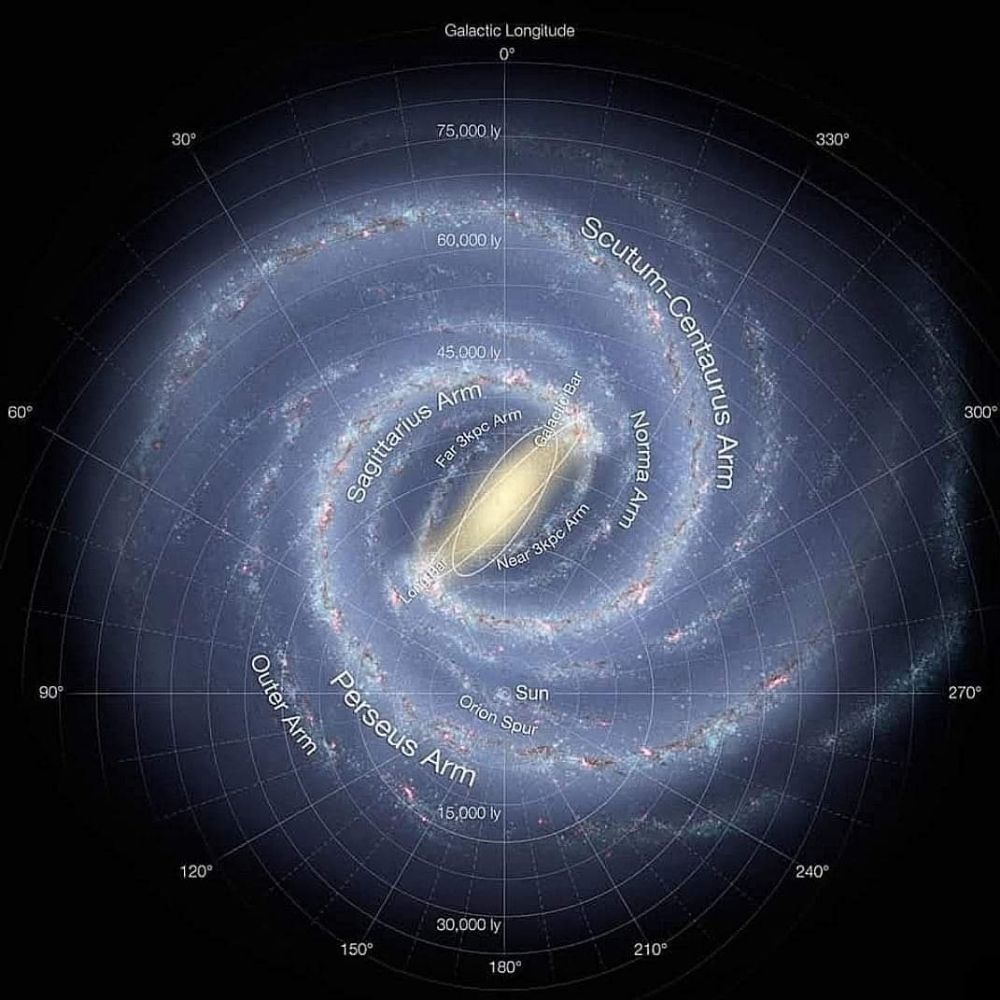
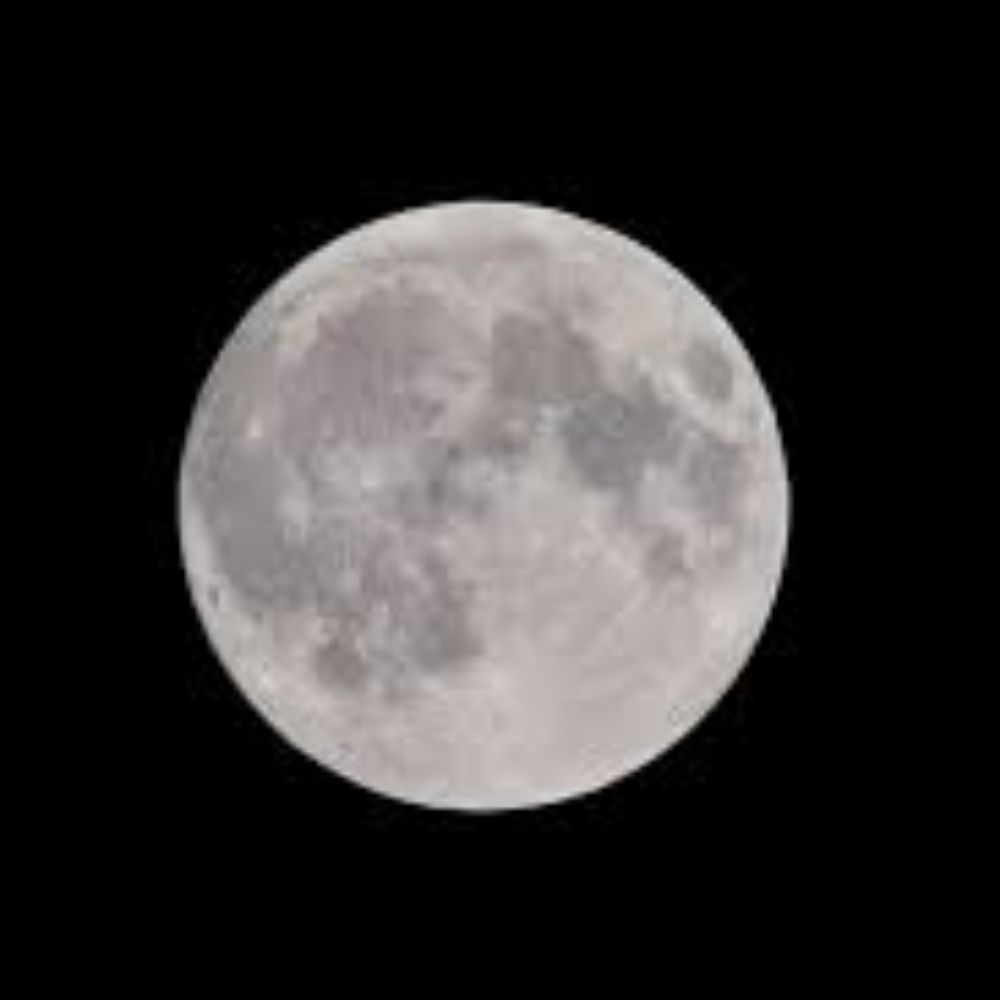
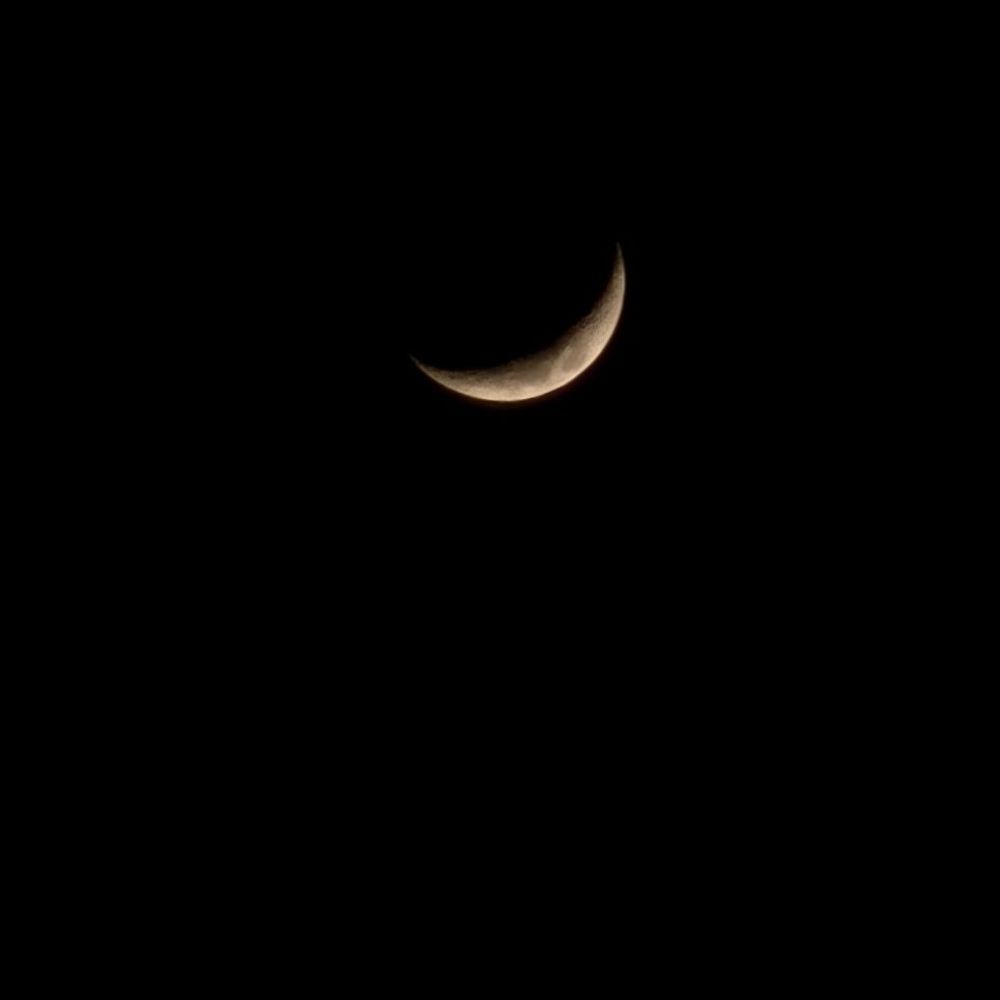
Moon photography
01.12.2024 16:45 — 👍 150 🔁 17 💬 1 📌 1
@spaceobsessed.bsky.social
hihi its space time tumblr here go look :P https://www.tumblr.com/spaceobsessed
Moon photography
01.12.2024 16:45 — 👍 150 🔁 17 💬 1 📌 1
The Big Dipper is a ladle-shaped asterism in the constellation Ursa Major. Found in the northern hemisphere, its cultural significance dates back thousands of years.
Consisting of seven bright stars that form an eye-catching design, it was often used as a navigational tool.

Clearest image ever taken of Heart Nebula, located 7500 light years away from us
01.12.2024 00:52 — 👍 27214 🔁 2498 💬 341 📌 182
meteor and Milky Way galaxy
01.12.2024 09:09 — 👍 355 🔁 30 💬 3 📌 0
Credit: NASA/JPL-Caltech/Simeon Schmauß
Ingenuity RTE - Flight 59 - From Simeon Schmauß (stim3on.bsky.social) - https://flic.kr/p/2p6dhpx
01.12.2024 10:00 — 👍 14 🔁 1 💬 0 📌 0 01.12.2024 11:01 — 👍 570 🔁 35 💬 6 📌 2

alien and catstronaut
29.11.2024 19:30 — 👍 1 🔁 0 💬 0 📌 0omg guys boba yum :o
29.11.2024 14:45 — 👍 0 🔁 0 💬 0 📌 0going to ikea, anyone wanna name my future alien friend
29.11.2024 14:39 — 👍 0 🔁 0 💬 1 📌 0
a beaded bracelet. its black and blue, and alternates between colors every 3 beads. in the middle is a gold pendant. the pendant is of an alien in a ufo, with the words i want to believe on the rim.
alien bracelet my friend gave me :3
29.11.2024 14:37 — 👍 0 🔁 0 💬 0 📌 0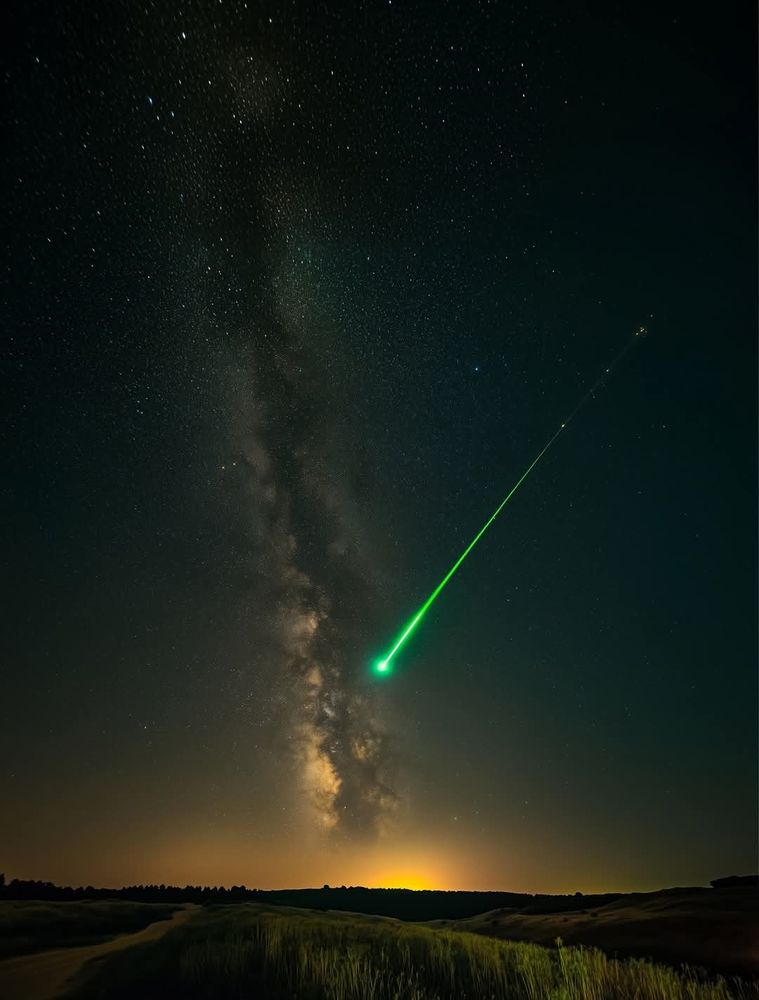
This is a true 'once-in-a-lifetime shot.
A meteor and Milky Way galaxy in the same frame

Mars - Dust Storm - North Polar Cap - ESA Mars Express Download full size image 5600x3150: www.flickr.com/photos/192271236@N03/54131102608/sizes/5k/ See license below Full HD Video here 1556x1989: flic.kr/p/2qtp1Vt Credits: Image Processing: AndreaLuck CC BY Raw Data: ESA/DLR/FUBerlin Image created processing data from: psa.esa.int/ Mission: ESA Mars Express North is approx up right Instrument: HRSC Orbit: 3670 Time:2006-11-16T08:36:16.130Z Product IDs: H3670_0000_P24.IMG H3670_0000_RE4.IMG H3670_0000_GR4.IMG H3670_0000_BL4.IMG Credits: Image Processing: AndreaLuck CC BY Raw Data: ESA/DLR/FUBerlin Feel free to share, giving the appropriate credit and providing a link to the original image or tweet: creativecommons.org/licenses/by/3.0/
Mars - Dust Storm - North Polar Cap - ESA Mars Express - From Andrea Luck (andrealuck.bsky.social) - https://flic.kr/p/2qto3Uy
29.11.2024 06:00 — 👍 14 🔁 3 💬 0 📌 1
The clearest image of Pluto captured by New Horizon Spacecraft.
29.11.2024 09:32 — 👍 374 🔁 40 💬 1 📌 4
On the left is a true color view of Titan. On the right an enhanced color view including additional infrared filter data. Both are from Cassini's latest flyby that took place on November 29, 2012. These images were taken on November 29, 2012 and received on Earth November 30, 2012. The camera was pointing toward TITAN at approximately 62,107 miles (99,952 kilometers) away, and the images were taken using the CL1, VIO, GRN, CB3 and RED filters. Credit: NASA / JPL / SSI / composite by Val Klavans
Two Views of Titan - From Val Klavans - https://flic.kr/p/dxPaWE
29.11.2024 10:00 — 👍 16 🔁 2 💬 1 📌 0
Enhanced color cutout shows a detail of the cliff with many layers and smaller impact craters as well. (NASA/JPL-Caltech/University of Arizona)
Layers in a Scarp on Olympus Mons
This observation shows a small portion of the scarp (cliff) that surrounds the largest volcano in the solar system, Olympus Mons. The scarp is of unknown origin.
More: uahirise.org/hipod/PSP_00...
NASA/JPL-Caltech/University of Arizona
#Mars #science #NASA

NASA image acquired October 28, 2011 This stunning, and as of yet unnamed, crater lies within the Caloris basin. Its floor provides another example of the beautiful "hollows" found on Mercury and has an etched appearance similar to that found in the crater Tyagaraja. This image was acquired as a high-resolution targeted observation. Targeted observations are images of a small area on Mercury's surface at resolutions much higher than the 250-meter/pixel (820 feet/pixel) morphology base map or the 1-kilometer/pixel (0.6 miles/pixel) color base map. It is not possible to cover all of Mercury's surface at this high resolution during MESSENGER's one-year mission, but several areas of high scientific interest are generally imaged in this mode each week. The MESSENGER spacecraft is the first ever to orbit the planet Mercury, and the spacecraft's seven scientific instruments and radio science investigation are unraveling the history and evolution of the Solar System's innermost planet. Visit the Why Mercury? section of this website to learn more about the key science questions that the MESSENGER mission is addressing. During the one-year primary mission, MDIS is scheduled to acquire more than 75,000 images in support of MESSENGER's science goals. Credit: NASA/Johns Hopkins University Applied Physics Laboratory/Carnegie Institution of Washington NASA image use policy. NASA Goddard Space Flight Center enables NASA’s mission through four scientific endeavors: Earth Sc...
MESSENGER View of Mercury's Caloris Basin - From Goddard Space Flight Center - https://flic.kr/p/aCLGkd
29.11.2024 11:00 — 👍 11 🔁 3 💬 0 📌 0