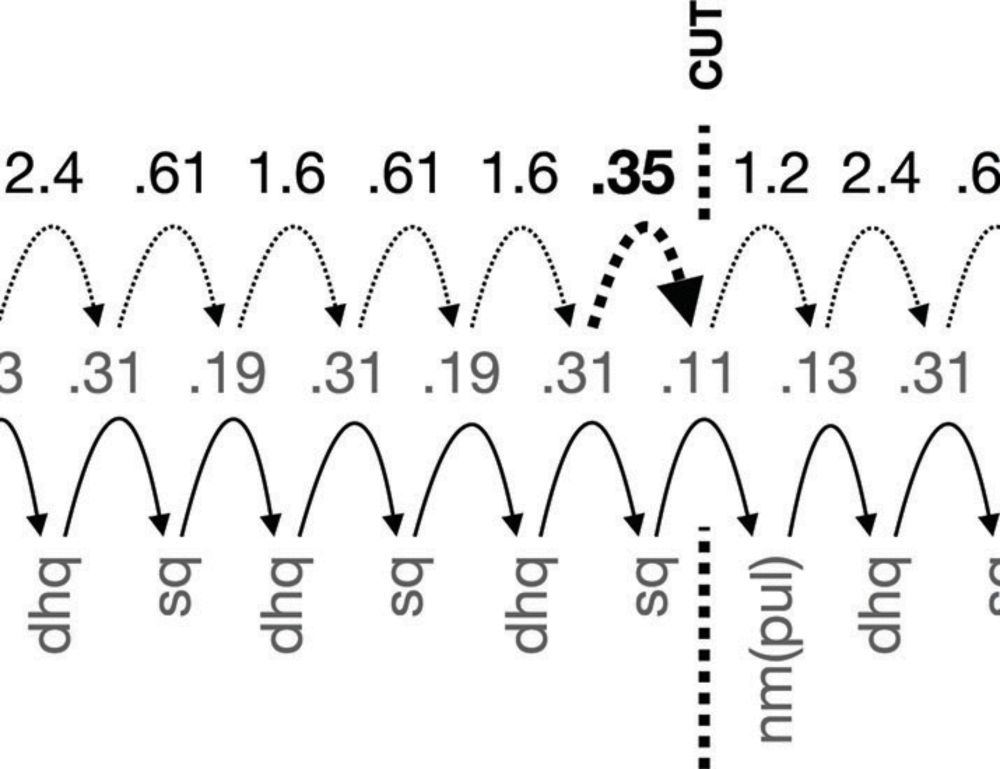
Our new publication with @strandings.bsky.social & #SMRUsealpred contributors. A first attempt at quantifying grey seal predation of marine mammals and the potential impact on declining harbour seal populatons. Check it out! doi.org/10.1111/1365...
13.10.2025 10:32 —
👍 18
🔁 5
💬 0
📌 0
🎉 Exciting to see this paper published using @smruinstrument.bsky.social tags to study diving behaviour and physiology of free divers! Congrats to the authors! 👏🔬📡 @smruecophys.bsky.social @chrismcknight.bsky.social
Read the paper here: www.cell.com/current-biol...
20.08.2025 09:34 —
👍 6
🔁 3
💬 0
📌 0
Fascinating new research led by @smruecophys.bsky.social researcher @chrismcknight.bsky.social
18.08.2025 20:57 —
👍 6
🔁 2
💬 0
📌 0

Minke whale snout protruding from the sea surface
🦤🌐🧪
Minke whales feeding in the Jacques Cartier passage over summer are predominantly pregnant females. From 2007–2015 pregnancy rates remain stable despite fluctuating prey availability, suggesting some resilience to environmental change
@smruecophys.bsky.social
@seamammalresearch.bsky.social
17.04.2025 11:53 —
👍 13
🔁 4
💬 0
📌 0
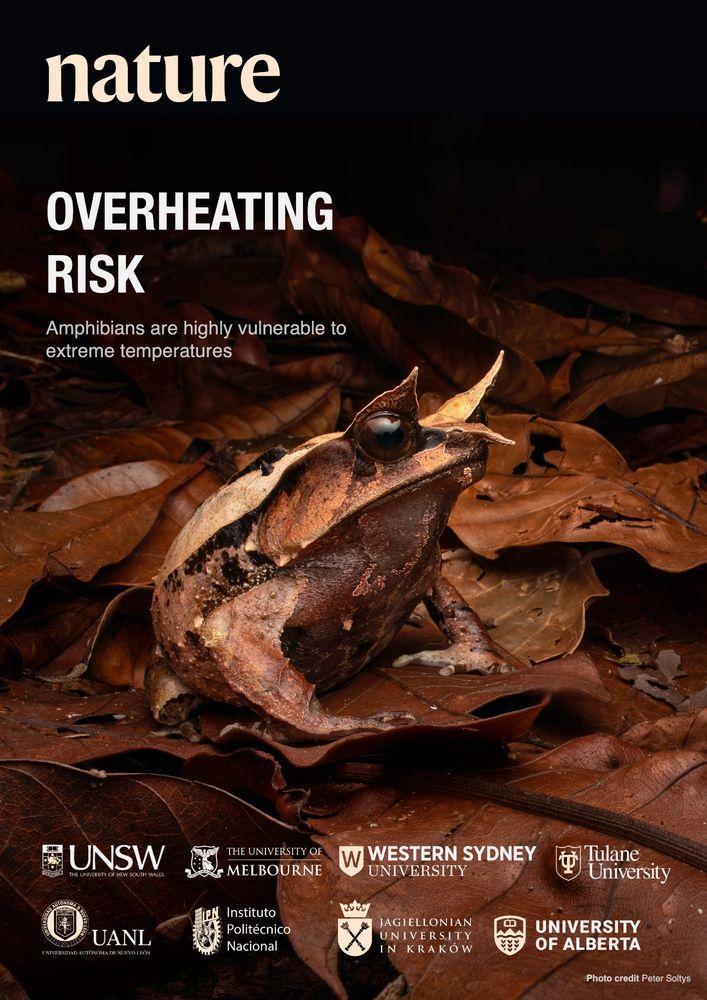
New paper in @nature.com led by @patricepottier.bsky.social! We demonstrated global vulnerability of amphibians to warming, threatening 10% of >5,000 species examined. How did we do it? See thread🧵
Paper: www.nature.com/articles/s41...
06.03.2025 10:27 —
👍 134
🔁 62
💬 7
📌 6
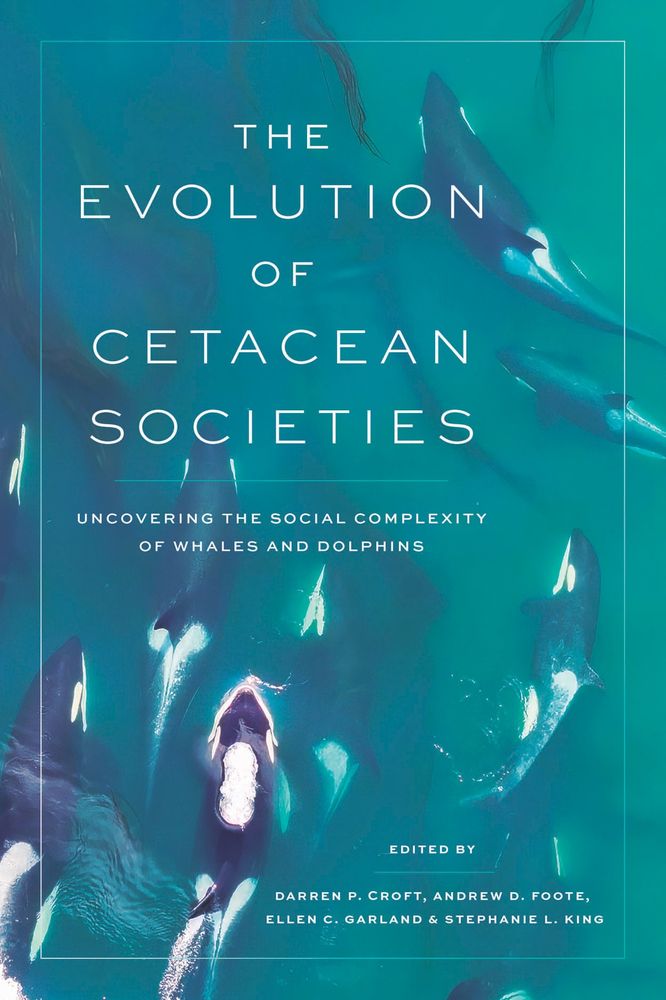
🐳 UPCOMING BOOK ALERT 🐬
The Evolution of Cetacean Societies
Edited by @darrencroft.bsky.social @andrewfoote.bsky.social @stephanielking.bsky.social and myself
Preorder available now
press.uchicago.edu/ucp/books/bo...
#whale #dolphin #animalbehaviour
26.03.2025 13:09 —
👍 80
🔁 26
💬 2
📌 6

We're pleased to share our work at @seamammalresearch.bsky.social, published in @science.org last week, showing that seals perceive circulating oxygen levels to adjust their diving behaviour. www.science.org/doi/10.1126/...
26.03.2025 09:48 —
👍 13
🔁 3
💬 0
📌 0
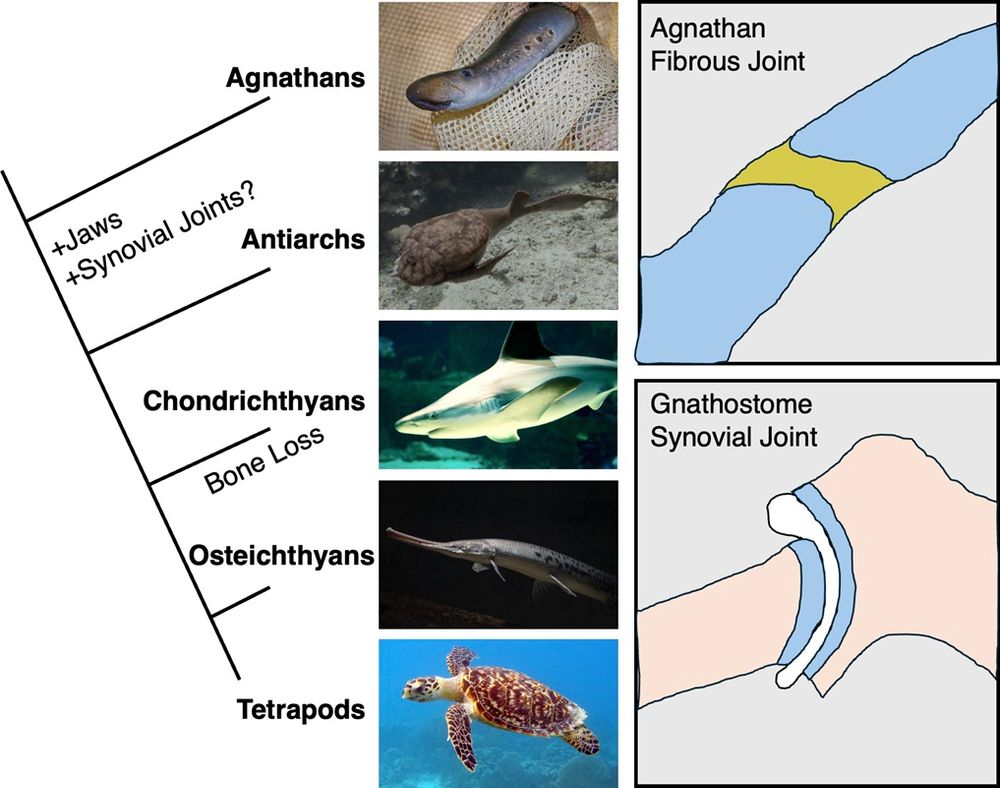
Left: A phylogeny of chordates, flanked by images of a lamprey, a placoderm, a brown shark, a longnose gar and a hawksbill turtle. Agnathans such as lampreys lack synovial joints. The first putative evidence of synovial joints in the fossil record is in early gnathostomes such as the antiarch placoderm fish that lived during the Silurian and Devonian periods. Modern gnathostomes such as cartilaginous fishes (i.e., chondrichthyans such as the brown shark), bony fishes (i.e., osteichthyans such as the longnose gar), and limbed vertebrates (i.e., tetrapods such as the Hawksbill turtle) possess synovial joints in their jaws, fins/limbs, and other locations. All images used are freely available without copyright restrictions. Top right: a typical agnathan joint is shown where glycosaminoglycans and proteoglycans are uniformly distributed across the cartilages (blue) that are connected by fibrous tissue (olive). Bottom right: a typical gnathostome synovial joint is shown where surface cartilage has a unique proteoglycan composition from the underlying cartilage and bone, and a fluid-filled cavity separates adjacent skeletal elements.
When did the lubricated joints that allow our skeleton to swivel, rotate and bend evolve? @crumplab.bsky.social explores a new @plosbiology.org paper by @neelimasharma.bsky.social &co that pinpoints their origin to the earliest jawed vertebrates 🧪 Paper: plos.io/3CTC8La Primer: plos.io/4kkhXa6
26.02.2025 19:38 —
👍 40
🔁 11
💬 0
📌 3
Yellow-breasted capuchins use stones as nutcrackers, often inadvertently creating sharp-edged flakes, like those associated with early hominids, in what the authors suggest is a possible mechanism for the emergence of hominin stone tools. In PNAS: www.pnas.org/doi/full/10....
25.02.2025 15:37 —
👍 5
🔁 1
💬 0
📌 0
Great new paper from one of our alumni Joanne Morten and Exeter Marine's Dr Lucy Hawkes!
#seabirds #AcademicSky 🦤🦑🧪🌐🌍
17.02.2025 10:39 —
👍 24
🔁 7
💬 0
📌 0

Seals avoid an operating tidal turbine
Authors of a recently published study discuss how their research discovered that seals exhibit avoidance of turbines during operation. This finding is important for industry developers and regulato…
New blog post: Seals avoid an operating tidal turbine 🦭
Important implications for developers & regulators, as lower numbers of seals close to the turbine at higher flow speeds during operation decreases the potential for fatal collisions & injuries 📉🌎🧪
🔗 appliedecologistsblog.com/2025/02/06/s...
06.02.2025 09:44 —
👍 43
🔁 11
💬 1
📌 1
We wrote a wee blog post detailing the findings of our most recent study @seamammalresearch.bsky.social and why the results are important! Give it a read below ⬇️
06.02.2025 11:56 —
👍 10
🔁 6
💬 0
📌 0
Andy Whiten and I wrote a @science.org perspective about a cool new study from @inbalarnon.bsky.social @simonkirby.bsky.social @ellengarland.bsky.social et al! They found humpback whale song has language-like statistical structure, using methods inspired by infant language learning 🐋🎶 Links below ⬇️
06.02.2025 19:10 —
👍 72
🔁 20
💬 1
📌 3

We uncovered the same statistical structure that is a hallmark of human language in whale song, published today in Science. @inbalarnon.bsky.social @simonkirby.bsky.social @jennyallen13.bsky.social @clairenea.bsky.social @emma-carroll.bsky.social
www.science.org/doi/10.1126/...
06.02.2025 19:14 —
👍 269
🔁 101
💬 17
📌 20

SMRU researchers are appealing for the public to help us understand why UK Harbour seals are in steep decline news.st-andrews.ac.uk/archive/st-a...
31.01.2025 13:55 —
👍 34
🔁 13
💬 0
📌 1

Anais Bliault presents the ventilatory adjustments of seals to physiological disturbance
17.01.2025 10:46 —
👍 4
🔁 2
💬 1
📌 0

Leopards reveal their identity through a distinct roar
Scientists reveal how leopards' unique roars aid conservation in Tanzania, using cutting-edge technology to track and protect these big cats.
How do you spot a leopard? Listen to its roar🐆
Research led by @jonathan-growcott.bsky.social shows for the first time that leopards have unique roars, meaning individuals can be identified through bioacoustic monitoring, a potentially significant advance in leopard conservation.
17.01.2025 11:05 —
👍 21
🔁 8
💬 1
📌 0

A pile of lurid yellow semi-liquid feces from a grey seal (Halichoerus grypus) sits on a wet black rock. The feces are full of white parasitic worms (helminths, probably anisakids). 🪱
Do you work in wildlife health & conservation? We are seeking participants for an online survey of practitioner/researcher attitudes to parasite conservation. Open to all roles and experience levels. DM me for more info and links.
Please help us reach as many folk as possible by reposting. 🧪🌍🪱🪰🦟
15.01.2025 16:24 —
👍 3
🔁 4
💬 0
📌 1
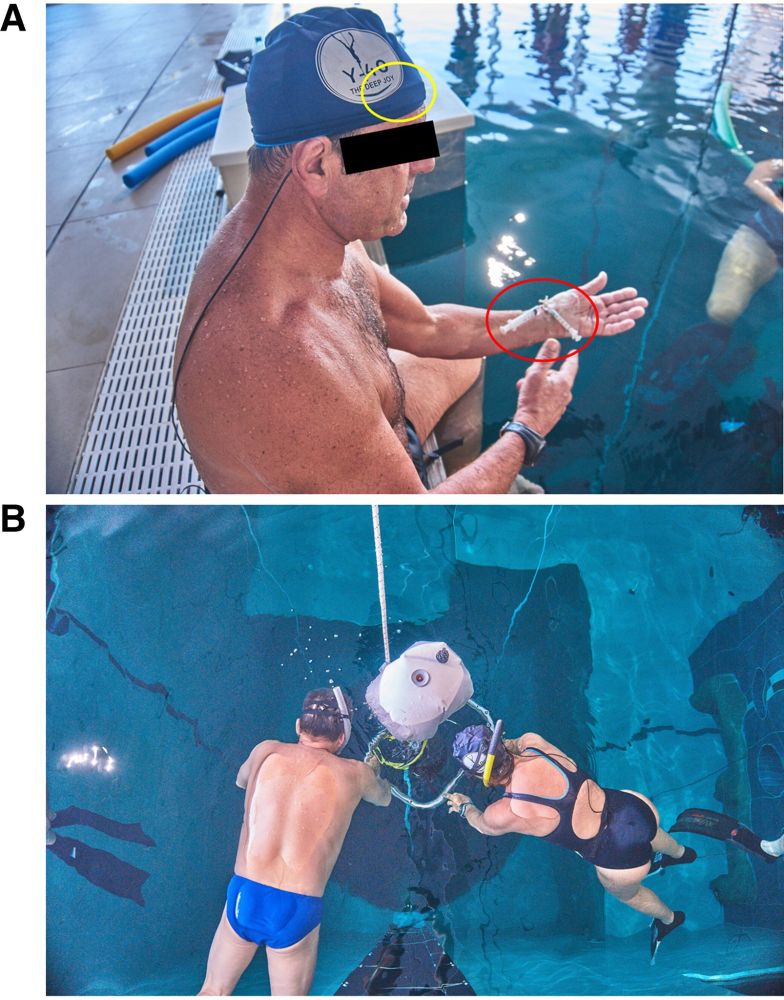
Some more of our lab’s recently published work - @eva-mariab.bsky.social used #NIRS and underwater arterial blood sampling to investigate depth-dependent effects on cardiovascular and blood oxygen regulation during freediving
t.co/tB6iZ5y0Xm
14.01.2025 18:21 —
👍 5
🔁 0
💬 0
📌 0
Among the most agile of flying creatures, dragonflies have evolved to perform quick aerial maneuvers both to attract mates and to catch prey midair.
Now, researchers have documented and explained a unique stunt the insects perform so quickly most people never see it. scim.ag/40mKKBI
14.01.2025 14:36 —
👍 212
🔁 66
💬 4
📌 17

Some of our group’s research published last November quantifying and reducing the costs from animal-borne tags on study animals #biologging
royalsocietypublishing.org/doi/10.1098/...
13.01.2025 21:28 —
👍 6
🔁 3
💬 0
📌 0
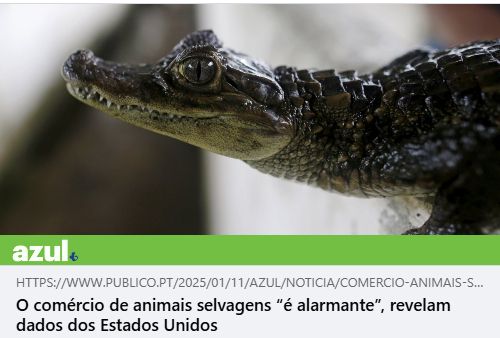
🌍LIBRe's research on the news!
Featured paper:
📚 doi.org/10.1073/pnas...
@cardosopmb.bsky.social @cienciasulisboa.bsky.social @publico.pt @pnas.org
#WildlifeConservation #Sustainability #BiodiversityLoss
13.01.2025 12:28 —
👍 2
🔁 3
💬 0
📌 1