


The Horsehead Nebula (also known as Barnard 33) is a small dark nebula in the constellation Orion. The nebula is located just to the south of Alnitak, the easternmost star of Orion’s Belt, and is part of the much larger Orion Molecular Cloud Complex.
Credit: NASA/ESA & Hubble

Tonight in
Star Gazing in the Park
Photo credit JWEBB
Milky Way, interstellar medium
Swirling ribands of dust form ribands due to gravitational, electric and tidal forces which inhabit the spaces between stars. Typically invisible this image was brought to you by the light of Zeta Ophiuchi

This image shows the Antennae Galaxies (NGC 4038 & NGC 4039), 60 million light-years away in Corvus. These galaxies are in the process of merging, creating tidal tails and bursts of star formation from their gravitational interaction.
Photo Credit: Robert Gendler
 15.01.2025 05:47 —
👍 192
🔁 22
💬 6
📌 1
15.01.2025 05:47 —
👍 192
🔁 22
💬 6
📌 1

Billions of years from now, only one galaxy will remain as spiral galaxies NGC 2207 (right) and IC 2163 (left) slowly merge. This composite of Hubble and Webb images shows their recent encounter, triggering star formation and tidal streams.
Credit: NASA, ESA, CSA, STScI

First JWST image of 2025.
Wolf-Rayet star WR 140.
🔭 🧪

Beautiful Mt. Fuji 🗻 🇯🇵 Japan
14.01.2025 05:49 — 👍 134 🔁 18 💬 2 📌 1
Photo I just took of Mars setting behind the Moon
14.01.2025 05:50 — 👍 134 🔁 7 💬 2 📌 0
This infrared image from NASA Spitzer Space Telescope shows the Helix nebula, a cosmic starlet often photographed by amateur astronomers for its vivid colors and eerie resemblance to a giant eye.
Credit: NASA/JPL-Caltech/Univ.of Ariz.

The Milky Way above the Ring of Brodgar, on Orkney.
In an otherwise clear sky, it was "disappointing" to have that band of cloud that just didn't want to disperse.
The bright light on the clouds is from the town of Stromness, where we had docked a few hours earlier.
#Photography

Sums it up nicely
13.01.2025 05:57 — 👍 113 🔁 16 💬 6 📌 1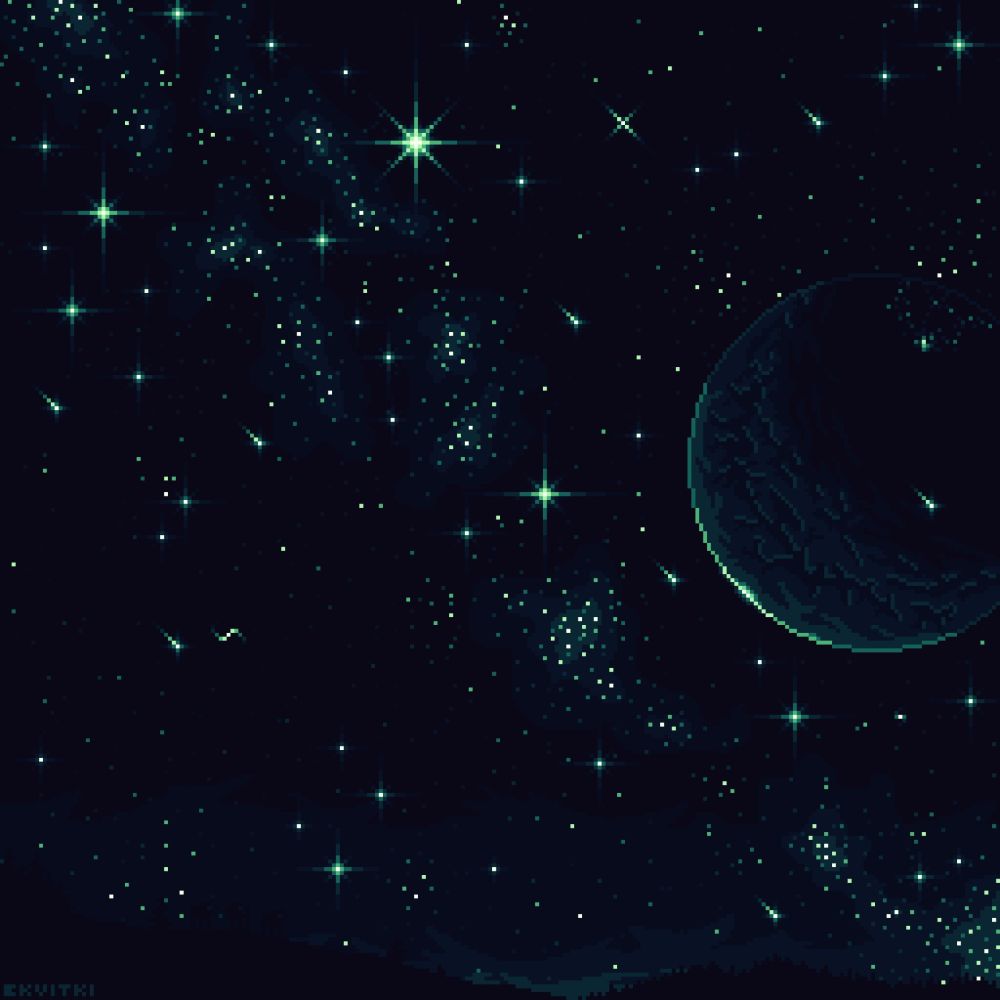
#pixelart #art #space
12.01.2025 03:59 — 👍 4991 🔁 585 💬 61 📌 10
The Milky Way above the Ring of Brodgar, on Orkney.
In an otherwise clear sky, it was "disappointing" to have that band of cloud that just didn't want to disperse.
The bright light on the clouds is from the town of Stromness, where we had docked a few hours earlier.
#Photography

Pismis 24, an open star cluster around 8,000 light-years away in the core of the NGC 6357 nebula in the constellation Scorpius.
Image Credit: NASA, ESA, and J. Maíz Apellániz, et al

JWST peers deep into space, taking a snapshot of over 20,000 galaxies, some whose light comes to us from over 12 billion light-years away.
This image was presented today on AAS Nova.
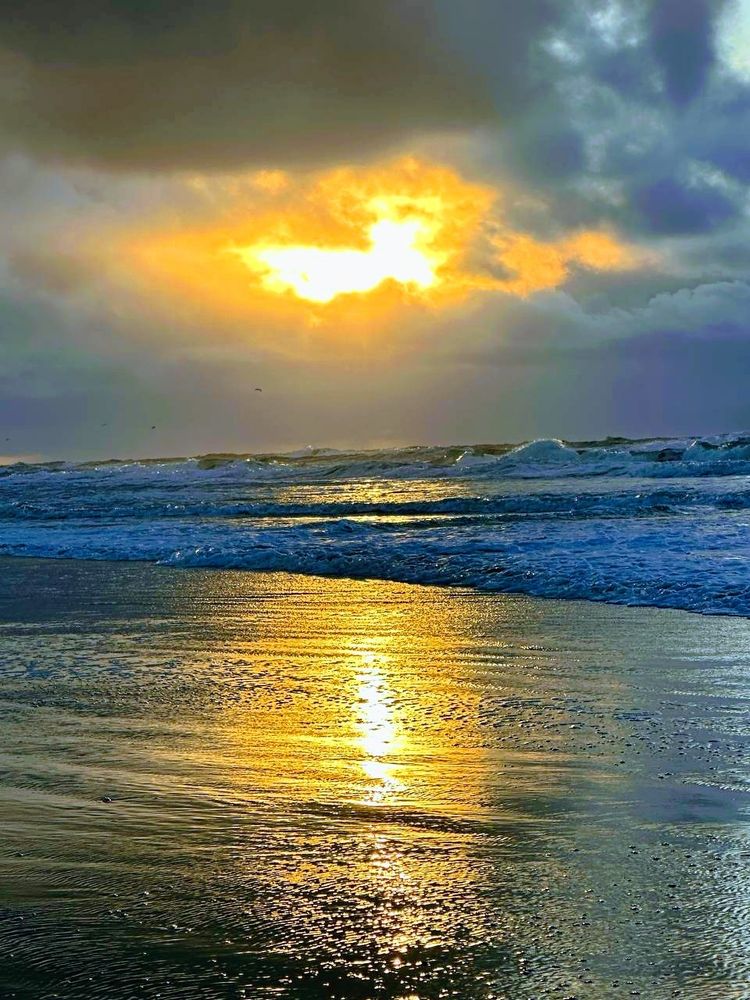 07.01.2025 10:54 —
👍 194
🔁 22
💬 3
📌 2
07.01.2025 10:54 —
👍 194
🔁 22
💬 3
📌 2

The Milky Way in the skies of Western Australia photographed by Trevor Dobson🌌
07.01.2025 10:54 — 👍 353 🔁 44 💬 6 📌 2
The Milky Way in the skies of Western Australia photographed by Trevor Dobson🌌
07.01.2025 10:52 — 👍 199 🔁 14 💬 5 📌 0

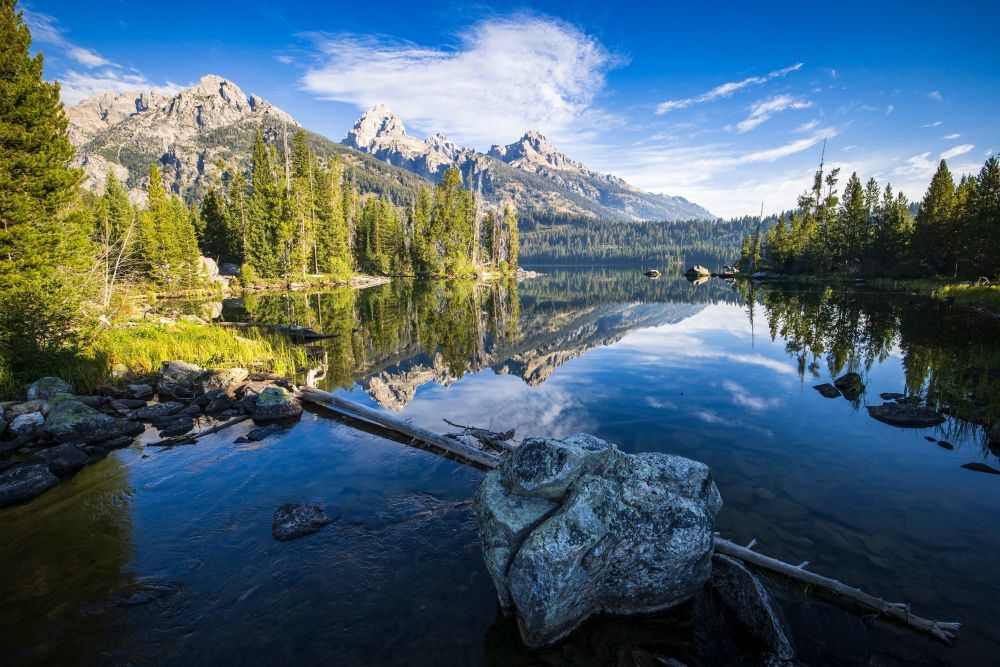
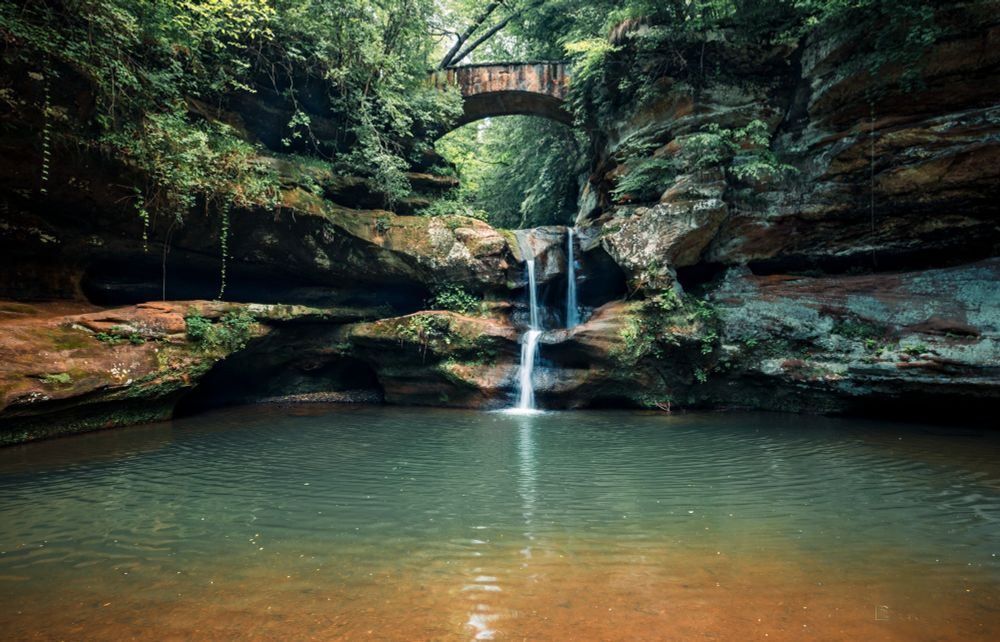
Three years ago, at the urging of my dying mother, I purchased my very first camera and commenced my photography journey. After countless videos and articles on how to everything Canon R5 it has been worth it. A few of my favorite landscapes from year 3 #photography #canonusa
#landscapephotography

A story in three parts, in just seven days.
06.01.2025 18:22 — 👍 35 🔁 5 💬 3 📌 0
A Whirlpool Galaxy |NASA|
06.01.2025 18:14 — 👍 167 🔁 11 💬 2 📌 0
Tonight in stargazing
OH 231.8+04.2-
The Rotten Egg Nebula
Constellation Puppis
Distance 5,000 light years
Discovered by William Herschel 1786
Length 1.4 light years
Named after its high sulfur content it's a star of similar size as our sun but in its early stages of planetary nebula formation

Tonight in stargazing
OH 231.8+04.2-
The Rotten Egg Nebula
Constellation Puppis
Distance 5,000 light years
Discovered by William Herschel 1786
Length 1.4 light years
Named after its high sulfur content it's a star of similar size as our sun but in its early stages of planetary nebula formation

Pillars of Creation.🔭
Credit: NASA, ESA/Hubble and the Hubble Heritage Team

NGC 6995: The Bat Nebula.🔭
Credit and Copyright: Josep M. Drudis


Sunset tonight
05.01.2025 05:25 — 👍 78 🔁 6 💬 0 📌 0
The Butterfly Nebula from Hubble.🔭
Image Copyright: Image Credit: NASA, ESA, Hubble;
Processing: William Ostling
Hubble Space Telescope

Mount Hood, Oregon 🌫️
04.01.2025 18:06 — 👍 2491 🔁 174 💬 37 📌 11
Hubble Ultra Deep Field (HUDF) by JWST.
This is what the universe looked like a few hundred million years after the Big Bang.
🔭 🧪