YouTube video by Wu Tsai Neurosciences Institute, Stanford
Meet Theo Guo, Research Associate at the Brain Resilience Lab
Meet Theo Guo, a research associate at the Brain Resilience Lab.
“One potential impact of this work is that more of humanity will be able to live and enjoy longer lifespans and healthspans, meaning more life spent in a healthy state.”
youtube.com/shorts/GM3Wt...
04.12.2025 19:57 — 👍 1 🔁 0 💬 0 📌 0

Cindy Lin shares her research on "Investigating regulators of GCase activity using CRISPR KO screens" at the Knight Initiative for Brain Resilience monthly seminar.

Odilia Sianto shares her research on "Nonsense-mediated decay masks cryptic splicing events caused by TDP-43 loss" at the Knight Initiative for Brain Resilience monthly seminar.
Thanks to all who joined our last monthly seminar of 2025!
Cindy Lin gave a talk about "Investigating regulators of GCase activity using CRISPR KO screens," and Odilia Sianto shared her research on "Nonsense-mediated decay masks cryptic splicing events caused by TDP-43 loss."
02.12.2025 21:55 — 👍 2 🔁 1 💬 0 📌 0

Aaron Gitler, Tetsuya Akiyama, Yi Zeng, Chang Liu, Anastasia Lovchykova, Stephanie Rayner, Caiwei Guo, Odilia Sianto
Amyotrophic lateral sclerosis and frontotemporal dementia are devastating neurodegenerative diseases. Knight Initiative postdoc Yi Zeng is finding the role a protein plays in both, and whether it can lead to new diagnostics and treatments.
Learn more: brainresilience.stanford.edu/news/qa-key-...
26.11.2025 23:33 — 👍 3 🔁 1 💬 0 📌 0

A microscopic view of a neuron with a neurofibrillary tangle. Photo credit: Shutterstock/Jose Luis Calvo
Gummy clumps called amyloid plaques have long been the focus of Alzheimer’s therapies. But some Stanford neuroscientists are focusing on the stringy tangles of a protein called tau, the unsung second hallmark of Alzheimer’s.
Learn more: med.stanford.edu/news/insight...
20.11.2025 19:05 — 👍 2 🔁 0 💬 0 📌 0

Isabella Elkinbard presents research she conducted in the lab of Wu Tsai Neuro affiliate and Stanford Medicine Assistant Professor of Neurosurgery Vivek Buch.

Hongkui Zeng gives a talk on "Dynamic changes of brain cell types in development and aging."

Knight Initiative Brain Resilience Lab Director Alina Isakova describes her team's efforts.

Soyon Hong gives a talk on "Neuro-glia-immune crosstalk conferring synapse vulnerability in neurodegeneration."
From molecular atlases of aging to emerging ideas about immune pathways, synapses, and glial biology, scientists from Stanford, @ucsfhealth.bsky.social, @ucl.ac.uk, and @alleninstitute.org shared new brain resilience research at our recent symposium.
🔗 brainresilience.stanford.edu/news/mind-bl...
15.11.2025 00:13 — 👍 3 🔁 1 💬 0 📌 0

Erin Kunz is a postdoctoral scholar in the Neural Prosthetics Translational Laboratory in the Department of Neurosurgery at Stanford Medicine. She earned her PhD in electrical engineering in 2025 as Ketterer-Vorwald Neurosciences Interdisciplinary Graduate Fellow at Wu Tsai Neuro.

From Our Neurons to Yours, Wu Tsai Neurosciences Institute, Stanford University
Could brain implants read our thoughts? Not yet.
Neuroengineer Erin Kunz builds BCIs to restore speech in people with paralysis. She explains how they decode brain signals—and why imagined thoughts are harder to access than you might think.
Listen now: neuroscience.stanford.edu/news/could-b...
13.11.2025 19:04 — 👍 2 🔁 1 💬 0 📌 0

Confocal light micrograph of a synaptic conjugation between three dimensional (3D) human embryonic stem cell (hESC)-derived brain organoids grown on an organ-on-chip (OOC) system. An OOC is a multi-channel 3D microfluidic cell culture. Organoids are miniature, simplified versions of organs grown in the laboratory. These organoids are being grown to study neural tube formation and neuronal development.
Image credit: Arthur Chien, Science Photo Library.
Scientists and ethicists, including Wu Tsai Neuro affiliates @sergiuppasca.bsky.social and Hank Greely, call for an international process to guide the field of human neural organoids.
Read the full @statnews.com story: www.statnews.com/2025/11/06/n...
12.11.2025 23:30 — 👍 9 🔁 6 💬 0 📌 0

Raag Airan, Matine Azadian, Payton Martinez and Yun Xiang in the lab. Azadian is holding a version of their ultrasound apparatus designed for humans.
“We’re making a helmet people can wear that delivers ultrasound to the brain, and we plan to initiate clinical testing of this protocol in the next few months,” said Raag Airan.
With Knight Initiative support, they plan to test it on people soon.
🔗 brainresilience.stanford.edu/news/new-ult...
10.11.2025 23:47 — 👍 2 🔁 1 💬 0 📌 0

Ted Wilson shared his research on "Unveiling early Alzheimer’s: biomarkers and breakthroughs on the path to brain resilience," at our monthly seminar series.

Raag Airan gave a talk on "Ultrasonic debris clearance for improving neurofluid flow and decreasing neuroinflammation" at the Knight Initiative's monthly seminar.
Fantastic talks at yesterday's seminar!
Ted Wilson - Unveiling early Alzheimer’s: biomarkers and breakthroughs on the path to brain resilience.
Raag Airan - Ultrasonic debris clearance for improving neurofluid flow and decreasing neuroinflammation.
05.11.2025 01:00 — 👍 2 🔁 1 💬 0 📌 0

Wu Tsai Neurosciences Institute Welcomes 2025 Stanford Interdisciplinary
Stanford doctoral students spanning neuroscience, chemical engineering, and electrical engineering are
We welcome three Stanford Interdisciplinary Graduate Fellows (SIGFs)—Sarah Zou, Nick M, and Pengli Wang! Projects include efforts to decode traumatic brain injury (TBI), map brain-body communication, and find treatments for rare childhood diseases.
🔗 neuroscience.stanford.edu/news/wu-tsai...
03.11.2025 20:55 — 👍 2 🔁 1 💬 0 📌 0

Rethinking Alzheimer's: How these tiny balls of fat factor in
A classic but ignored Alzheimer’s hallmark — myriad oily droplets in brain cells called microglia — may help connect several of the disorder’s better known but not well understood features.
“By the time we examine an autopsied brain-tissue sample, a pathologist will have rinsed it with alcohol, removing lipids,” said Knight Initiative director Tony Wyss-Coray, D. H. Chen Professor II and @stanfordneuro.bsky.social professor. “So, we can miss them.”
med.stanford.edu/news/insight...
29.10.2025 21:38 — 👍 2 🔁 1 💬 0 📌 0

Audience members listen attentively to a speaker with research posters in the background.

Attendees Tolu Oyeniyi and Veronica Augustina Bot network at the symposium poster session.

David Seong discusses his research from the lab of Nima Aghaeepour at the symposium poster session.

Aaron Gitler, a Stanford Medicine Basic Science Professor in the Department of Genetics and a member of the Knight Initiative Steering Committee, and Elizabeth Mormino, an associate professor (research) of neurology and neurological sciences (neurology research), smile for the camera at the symposium poster session.
Thank you to our wonderful speakers and everyone who joined us at the Fall 2025 Symposium and Poster Session! It was a day full of insights into the latest research on healthy brain aging, resilience, and various neuroscience studies at Stanford.
13.10.2025 18:57 — 👍 4 🔁 2 💬 1 📌 0

Text: Knight Initiative for Brain Resilience Fall 2025 Symposium.
Image collage, top row, from left: 1. Digital Pathology — Oil Red O staining of a prefrontal cortex sample. It stains neutral lipids to assess lipid pathology. (triacylglycerols and sterol esters). The lipid staining gives an idea of lipid pathology to track a feature of brain aging. The red stains are positive stains (neutral lipid aggregates within cells). 2.Dr. John W. Day, Stanford University. 3. Dr. Soyon Hong, University College London. 4. Dr. Alina Isakova, Stanford University.
Bottom row, from left: 1. Dr. Andrew C. Yang, UCSF, Gladstone Institutes. 2. Dr. Hongkui Zeng, Allen Institute for Brain Science. 3. Dr. Xuchen Zhang, Stanford University. 4. Knight Initiative for Brain Resilience logo.
Our Fall Symposium is today! We look forward to our poster session and talks by:
John W. Day, Soyon Hon @soyonhonglab.bsky.social,
Alina Isakova, Andrew C. Yang, Hongkui Seng @hongkuizeng.bsky.social, and Xuchen Zhang.
09.10.2025 18:13 — 👍 3 🔁 1 💬 0 📌 0

Image of the Stanford Discovery walk.
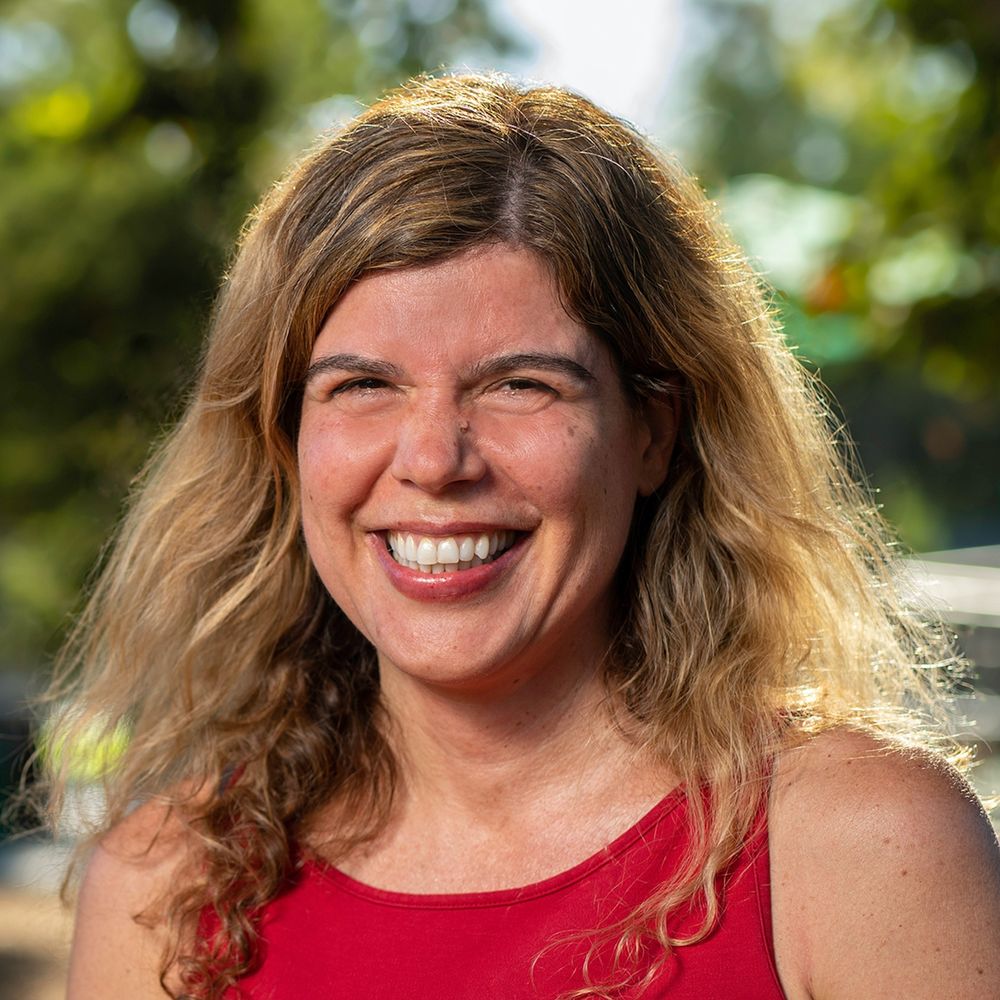
Anne Brunet, the Michele and Timothy Barakett Professor of Genetics at Stanford Medicine and Wu Tsai Neurosciences Institute affiliate.
Six @stanford.edu scientists, including Anne Brunet @brunetlab.bsky.social, have been awarded High-Risk, High-Reward Research program grants from the National Institutes of Health.
This will support Brunet's work on the peripheral nervous system, organs & aging.
news.stanford.edu/stories/2025...
08.10.2025 23:42 — 👍 4 🔁 1 💬 0 📌 0

Dr. Kristy Zera gave a talk on “Blocking the VLA4/VCAM1 axis prevents infarct-induced neurodegeneration by reducing neuroinflammation and promoting vascular integrity" at the monthly Brain Resilience Seminar Series.

Dr. Carla Shatz gave a talk on “Convergence of signals for pruning at a synaptic receptor implicated in Alzheimer's disease" at the monthly Brain Resilience Seminar Series.
Great talks at our recent seminar! Featuring:
Kristy Zera - Blocking the VLA4/VCAM1 axis prevents infarct-induced neurodegeneration by reducing neuroinflammation & promoting vascular integrity
Carla Shatz - Convergence of signals for pruning at a synaptic receptor implicated in Alzheimer's Disease
08.10.2025 18:46 — 👍 2 🔁 1 💬 0 📌 0

The Signal Listener's Choice Award needs YOU
I just voted for this finalist to win a Signal Listener's Choice Award. You should too.
Great news! Our podcast, From Our Neurons to Yours, is a finalist for the Listener’s Choice Award in Science & Education at @signalawards.bsky.social!🎙️
Help us win and vote here by Oct. 9: vote.signalaward.com/PublicVoting...
01.10.2025 16:39 — 👍 4 🔁 1 💬 0 📌 0

Text: Knight Initiative for Brain Resilience, Wu Tsai Neurosciences Institute, Stanford University. Fall 2025 Symposium and Poster Session. October 9, 2025, 12:30 PM to 6:00 PM.
Image description: Digital Pathology. Oil Red O staining of a prefrontal cortex sample. It stains neutral lipids to assess lipid pathology. (triacylglycerols and sterol esters). The lipid staining gives an idea of lipid pathology to track a feature of brain aging. The red stains are positive stains (neutral lipid aggregates within cells). One of many stains that are possible. Image credit: Brain Resilience Lab.
Join us on Oct 9 at a symposium featuring brain resilience and aging research, including a clinical presentation with a patient’s perspective, poster session, and social! Registration required.
Stanford affiliates, sign up to present a poster by Oct 2.
brainresilience.stanford.edu/events/knigh...
25.09.2025 17:39 — 👍 2 🔁 1 💬 0 📌 0

Building bridges between Alzheimer’s theories
A new study finds links between two popular models of the disease—and the results could change how
Amyloid beta and inflammation may converge on the LilrB2 receptor, according to new research led by Carla Shatz and supported by a Knight Initiative Catalyst Award. This may help explain synapse loss in Alzheimer’s.
Learn more: brainresilience.stanford.edu/news/buildin...
16.09.2025 18:58 — 👍 3 🔁 1 💬 0 📌 0

Jacob Simon presents his research on "A novel toolset for understanding neuromodulation."

Joe Winer presents his research on the "Effects of ⍺-synuclein pathology in normal aging and Alzheimer’s disease."
Our Brain Resilience Seminars are back! Yesterday, Jacob Simon shared his research on "A novel toolset for understanding neuromodulation," and Joe Winer discussed "Effects of ⍺-synuclein pathology in normal aging and Alzheimer’s disease." Thank you to all who joined and participated in the Q&A.
09.09.2025 17:39 — 👍 2 🔁 0 💬 0 📌 0

Syed Bukhari, Primary Neuroanatomist, Brain Resilience Laboratory
Syed has been a vital part of our Brain Resilience Lab as the Primary Neuroanatomist and @stanfordmedicine.bsky.social’s Primary Brain Dissectionist & Coordinator, supporting research brains and rapid brain autopsies. He’s now beginning his PhD at the University of Washington . Congrats Syed!
05.09.2025 22:48 — 👍 0 🔁 0 💬 0 📌 0

Mice are often helpful for understanding human disease, yet promising tests in mice often don't translate to humans. A new study probes why.

Vanessa Langness

Danielle Simmons

Frank Longo
Why do some dementia treatments work in mice but not in people?
At @stanfordneuro.bsky.social, Vanessa Langness, Danielle Simmons, and Frank Longo reviewed 400+ preclinical studies to identify key differences in timing, study design, and disease stage.
brainresilience.stanford.edu/news/why-pro...
28.08.2025 18:17 — 👍 2 🔁 1 💬 0 📌 0

Shon Alimukhamedov, Research Associate, Brain Resilience Lab
In the Brain Resilience Lab, Shon has contributed to flagship projects that map the molecular landscape of brain aging and led collaborations using next-generation sequencing, histology & spatial transcriptomics. He’s now starting his neuroscience PhD at @ucsanfrancisco.bsky.social. Congrats Shon!
15.08.2025 22:18 — 👍 3 🔁 1 💬 1 📌 0
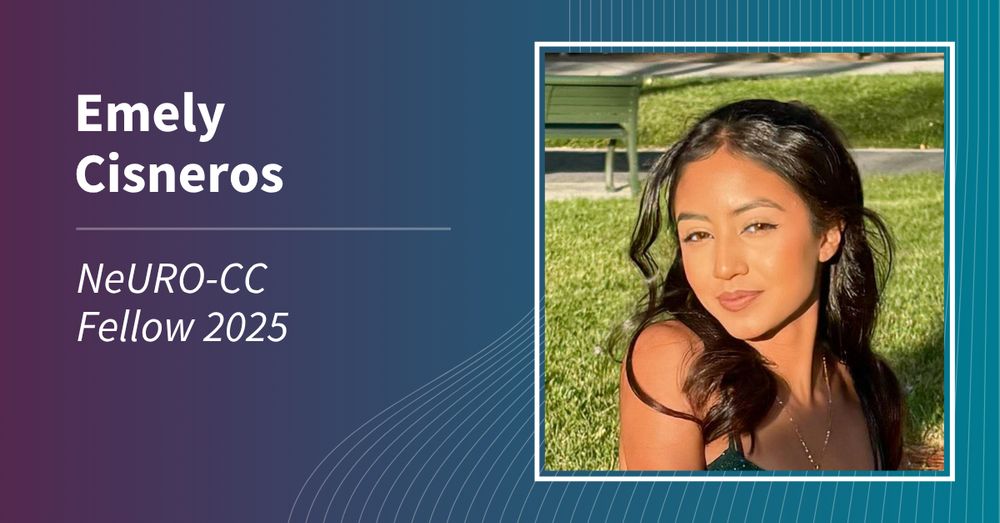
Emely Cisneros, 2025 Neurosciences Undergraduate Research Opportunity, Community College (NeURO-CC) Fellow
Meet Emely Cisneros, a 2025 NeURO-CC Fellow!
A Biology major at Foothill College, Emely is exploring how research can inform care for aging populations in the lab of Tony Wyss-Coray under the mentorship of Marvin Reich.
Passionate about helping others, she aspires to pursue a career in medicine.
04.08.2025 19:26 — 👍 2 🔁 1 💬 0 📌 0
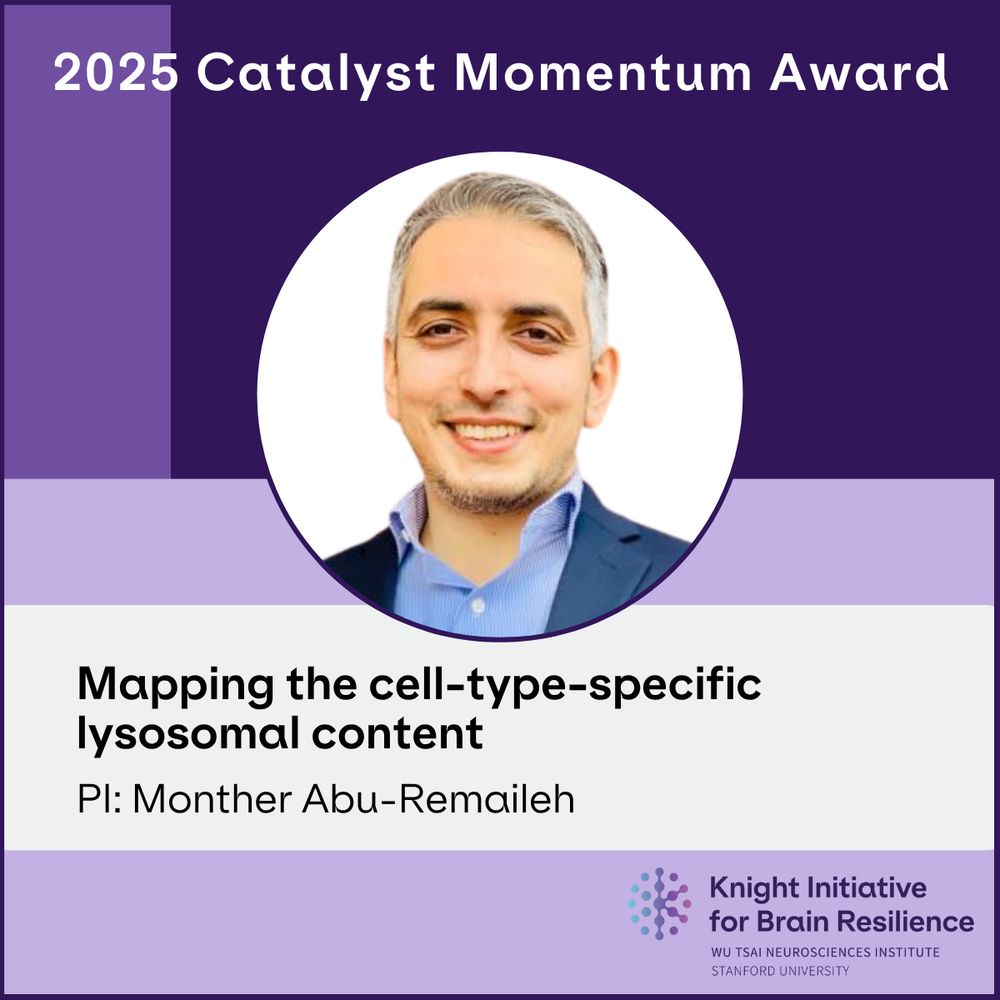
2025 Catalyst Momentum Award. Mapping the cell-type-specific lysosomal content. PI: Monther Abu-Remaileh. Knight Initiative for Brain Resilience, Wu Tsai Neurosciences Institute, Stanford University.
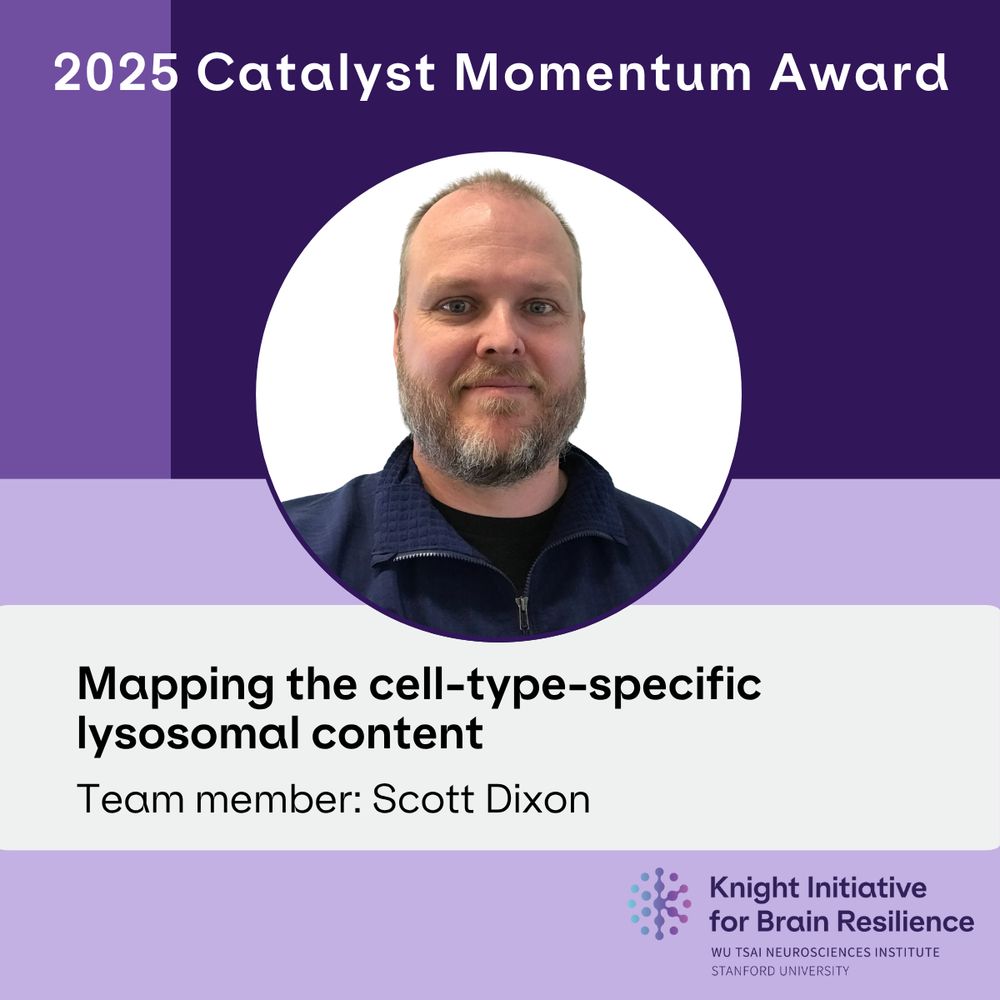
2025 Catalyst Momentum Award. Mapping the cell-type-specific lysosomal content. Team member: Scott Dixon. Knight Initiative for Brain Resilience, Wu Tsai Neurosciences Institute, Stanford University.
By integrating innovative lysosomal omics and ferroptosis-targeted interventions, Dr. Monther Abu-Remaileh and Dr. Scott Dixon aim to identify strategies to restore lysosomal function, protect against neurodegeneration, and enhance brain resilience.
brainresilience.stanford.edu/our-science/...
31.07.2025 18:21 — 👍 2 🔁 1 💬 0 📌 0
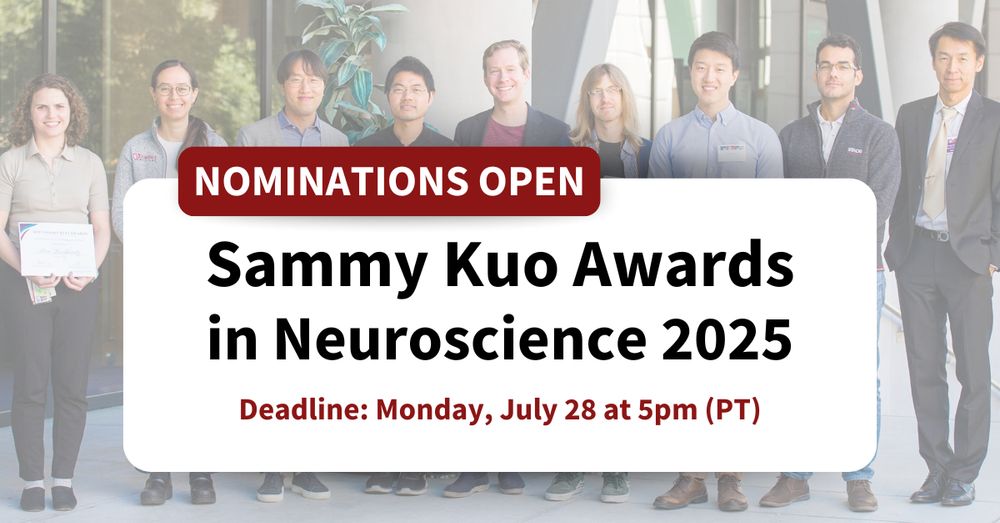
Photo of past Sammy Kuo awardees with Vincent V.C. Woo Director of Wu Tsai Neuro, Kang Shen.
Text: Nominations open. Sammy Kuo Awards in Neuroscience 2025. Deadline: Monday, July 28 at 5pm (PT).
Celebrate groundbreaking research by nominating a Stanford graduate student or postdoc for the 18th Annual Sammy Kuo Awards in Neuroscience!
Submit materials by this Monday, July 28 at 5pm (PT).
Learn more and nominate: neuroscience.stanford.edu/programs/com...
25.07.2025 19:00 — 👍 3 🔁 2 💬 0 📌 0
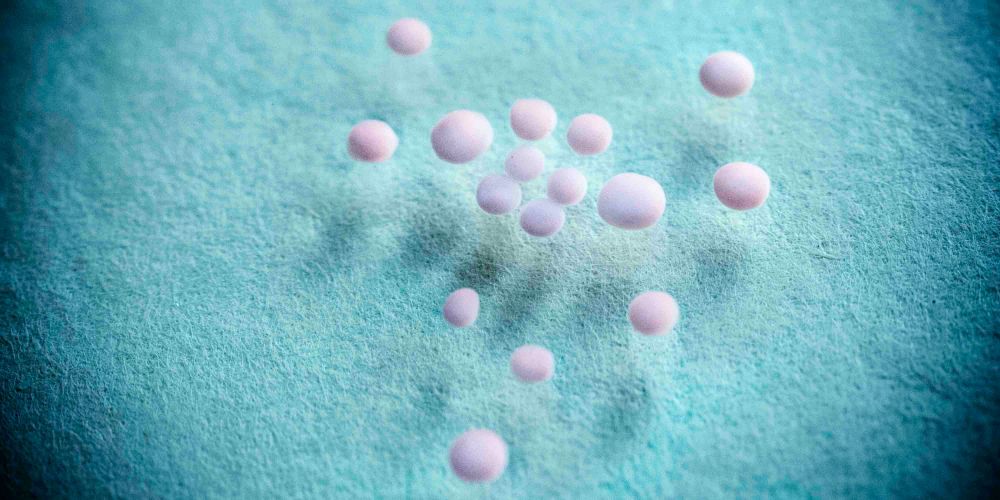
Organoids
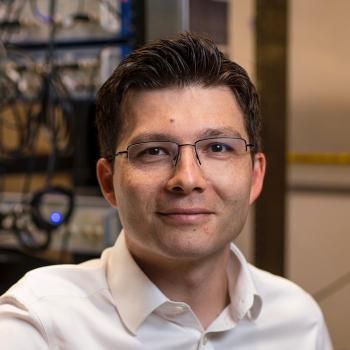
Sergiu Pasca, the Kenneth T. Norris Jr. professor of psychiatry and behavioral sciences at Stanford Medicine and Uytengsu Family Director of the Stanford Brain Organogenesis Program.
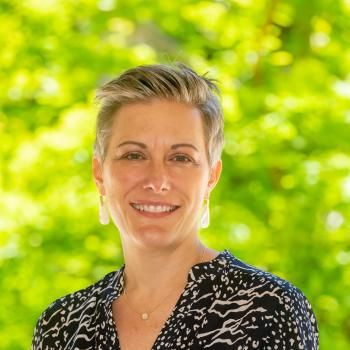
Sarah Heilshorn, the Rickey/Nielsen Professor in the School of Engineering
Brain organoids are reshaping neuroscience. To scale up their work, Wu Tsai Neuro affiliates @sergiuppasca.bsky.social, Sarah Heilshorn & team found a solution: xanthan gum. This simple solution could accelerate the discovery of brain development & disease.
neuroscience.stanford.edu/news/common-...
16.07.2025 17:58 — 👍 5 🔁 1 💬 0 📌 1
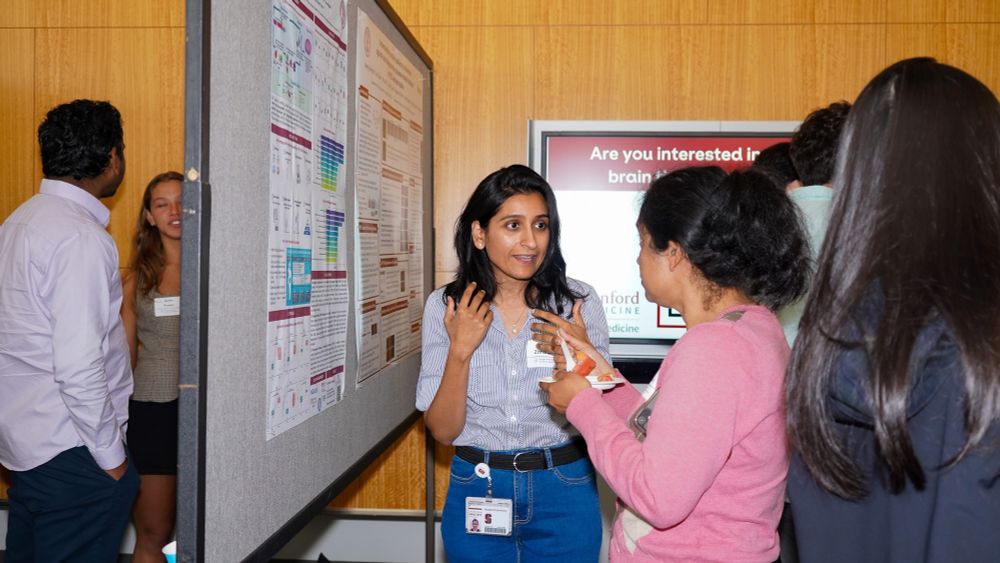
Marwa Zafarullah talks about her research poster with another person.
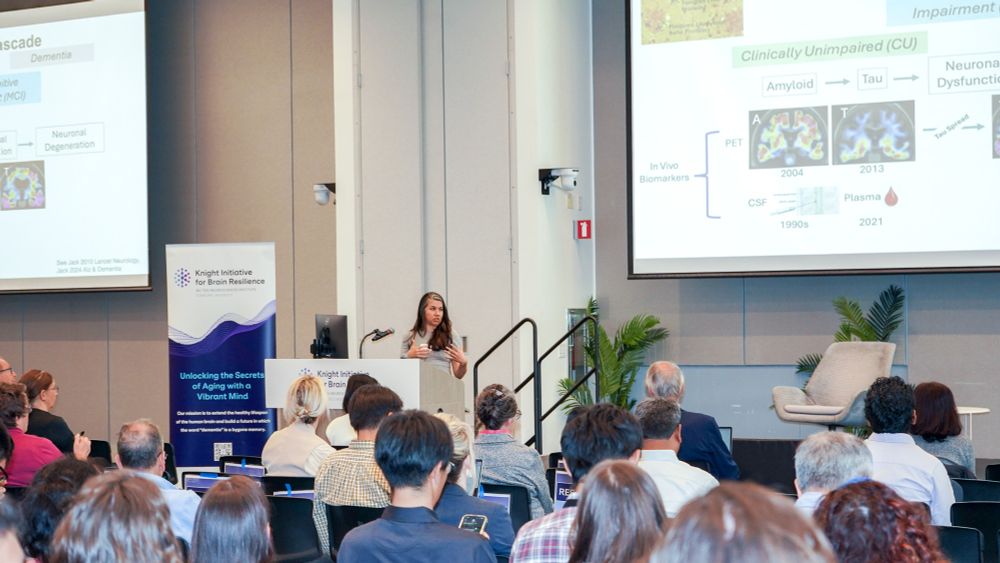
Elizabeth Mormino speaks at the Spring 2025 Brain Resilience Symposium.
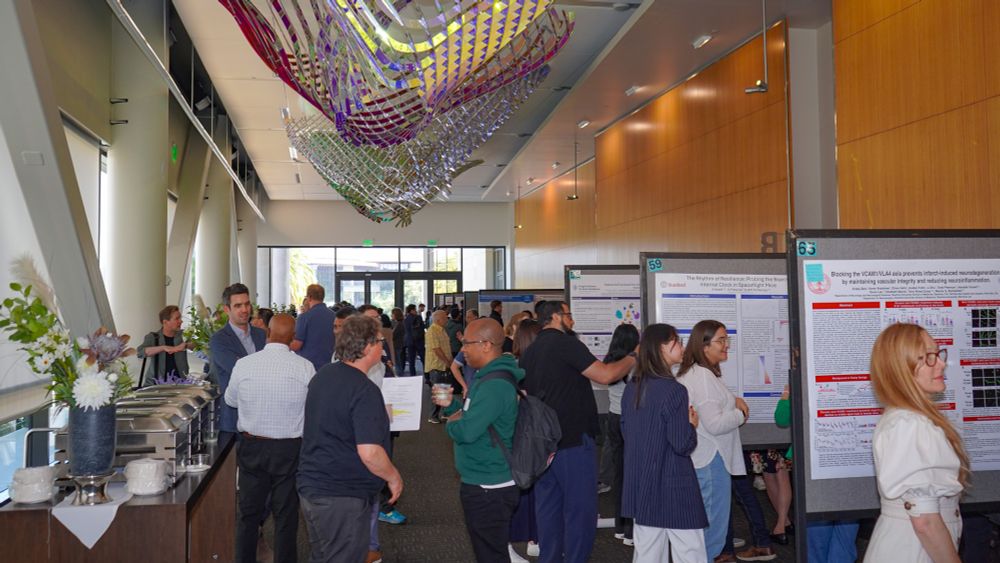
A poster session gave 72 researchers a chance to discuss their research and its potential impact.
What makes the brain resilient, and how can research help more people stay cognitively healthy as they age?
Highlights include:
🧠 Early biomarkers
🧪 Lysosomal function
💉 Shingles vaccine & reduced dementia risk
📣 Lived experience
📊 72 Stanford posters
brainresilience.stanford.edu/news/knight-...
15.07.2025 19:17 — 👍 2 🔁 1 💬 0 📌 0
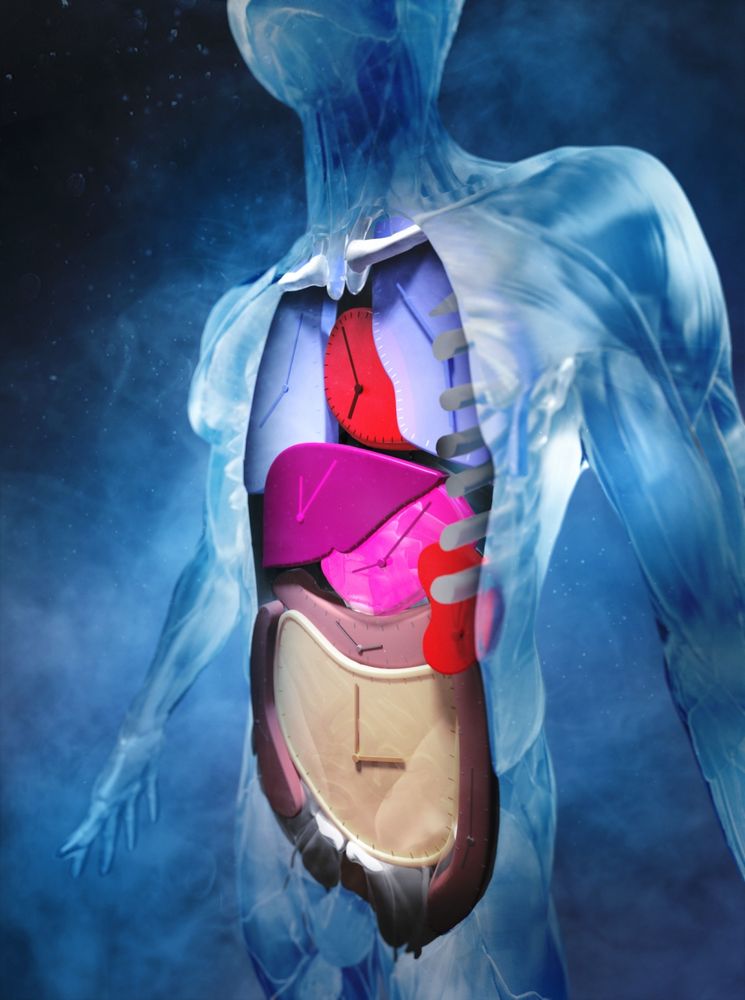
Graphic design of a human body with clocks designed in place of intestines to symbolize organs aging at different speeds. Image credit: Tobias Wüstefeld.
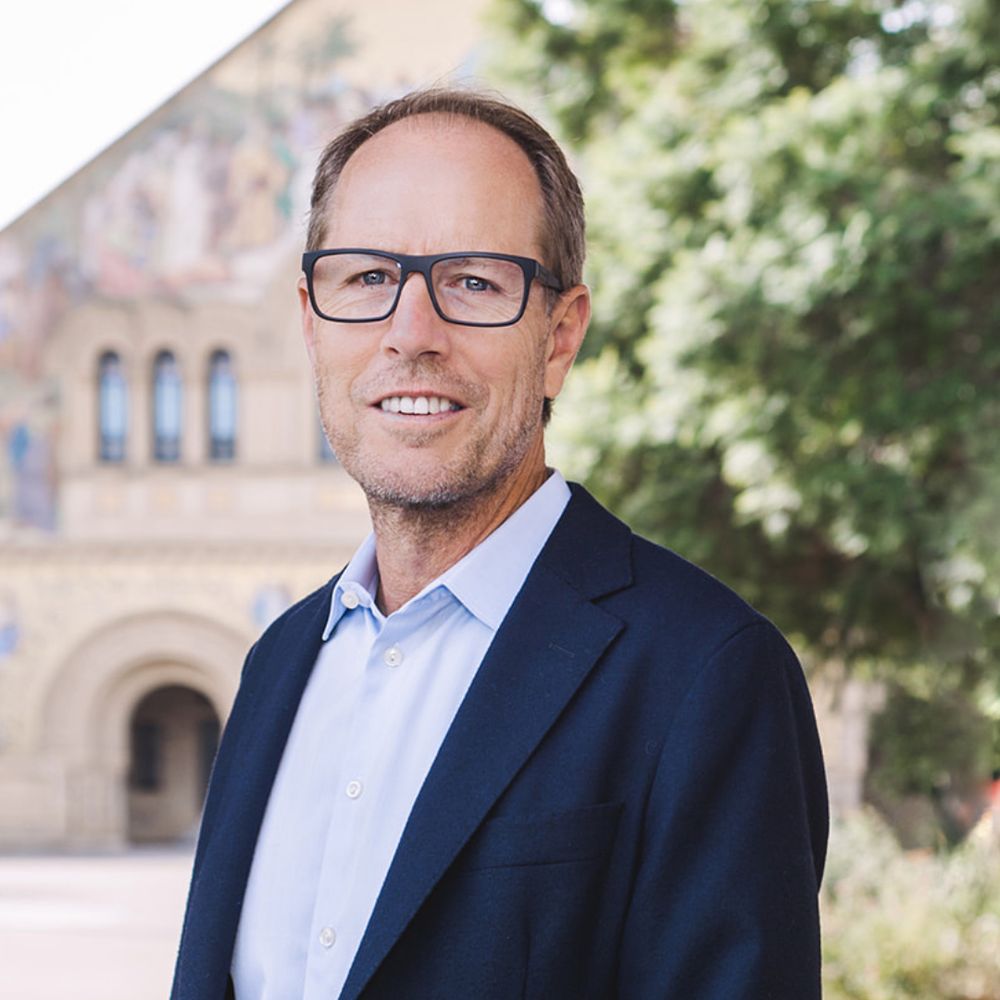
Tony Wyss-Coray, PhD, professor of neurology and neurological sciences and director of the Knight Initiative for Brain Resilience at the Wu Tsai Neurosciences Institute
“We’ve developed a blood-based indicator of the age of your organs,” said Tony Wyss-Coray. “With this indicator, we can assess the age of an organ today & predict the odds of your getting a disease associated with that organ 10 years later.”
Read more: med.stanford.edu/news/all-new...
09.07.2025 19:06 — 👍 3 🔁 2 💬 0 📌 0