nothing infuriates the average paid political commentator more than the fact that every 15 year old baby leftist doing earnestly naive posts about 'Amerikkka' at any point in the last 30 years has better analysis with a sounder grounding in the facts than they do.
04.01.2026 15:05 —
👍 657
🔁 141
💬 3
📌 3
Now that regular Americans have bravely stared down the regime, any institution that caves to Trump is doing it solely to align with fascism, not out of fear.
08.11.2025 01:43 —
👍 67
🔁 17
💬 0
📌 1

Studies show that just one exposure to tear gas can increase the likelihood of respiratory illnesses. That's why in 2020, the ATS called for a moratorium on the use of tear gas and other chemical agents.
Learn more about the damage tear gas causes (via @wired.com): www.wired.com/story/what-t...
10.06.2025 18:08 —
👍 29
🔁 15
💬 0
📌 1
As always Dr. Kaminski says it perfectly.
02.06.2025 14:50 —
👍 6
🔁 0
💬 2
📌 1
I am joining the AFSC #FastforGaza. Israel is blocking all food and aid from reaching Gaza, with the full support of the U.S. People are dying. In protest, I am eating no food today from sunrise to sunset. I hope my small act encourages an end to this terrible and preventable catastrophe.
28.05.2025 09:15 —
👍 6
🔁 1
💬 0
📌 0

Graphic with 4 headshots, 2 men, 2 women, for PulmPEEPs: the Impact of Reduced NIH Indirect Cost Payments

text clipping:
Summary of Key Points
Overview of NIH Funding
NIH research funding is divided into direct costs (salaries, supplies, specific project expenses) and indirect costs (infrastructure, utilities, administrative support).
Indirect costs support shared research resources like lab space, IT infrastructure, and institutional overhead.
Recent Policy Change & Impact
A sudden 15% cap on indirect cost reimbursement for NIH grants was announced late on a Friday, catching the academic community off guard.
Many universities typically receive 50-60% in indirect cost reimbursements, making this a drastic cut.
This change could severely affect research institutions by reducing available funding for shared infrastructure, education, and clinical care.
Broader Ramifications
Threat to Medical Research: Loss of funding for essential research infrastructure could slow or halt key medical advancements, such as cancer therapies, CF treatments, and more.
Impact on Education & Clinical Care: Reduced research funding could lead to cuts in trainee programs, fewer job opportunities, and diminished support for clinical services, particularly those serving vulnerable populations.
Economic Consequences: Academic medical centers are often major employers in states across the U.S. A reduction in funding could lead to job losses and economic downturns in affected regions.
Political and Institutional Response
Legal challenges were quickly filed, resulting in a temporary restraining order against the policy change.
The administration’s actions were seen as an attack on academic freedom and scientific independence.
The impact extends beyond select universities or states. States like Texas, Ohio, Florida, and Iowa stand to lose millions in research funding.
Advice for Early-Career Researchers
Continue applying for NIH grants as normal, following institutional guidance.
Stay informed about evolving policies.
Engage in advocacy—contact representatives, raise awareness, and contribute to publ…
New @pulmpeeps.bsky.social podcast about potential impact of NIH cuts, if allowed to stand, on pulmonary and critical care medicine
This was a good conversation, and I'd love to hear your thoughts
www.pulmpeeps.com/2025/02/18/9...
18.02.2025 14:19 —
👍 36
🔁 22
💬 1
📌 2
Why do you presume that NYT is the only place we are taking our message?
18.02.2025 18:39 —
👍 2
🔁 0
💬 0
📌 0
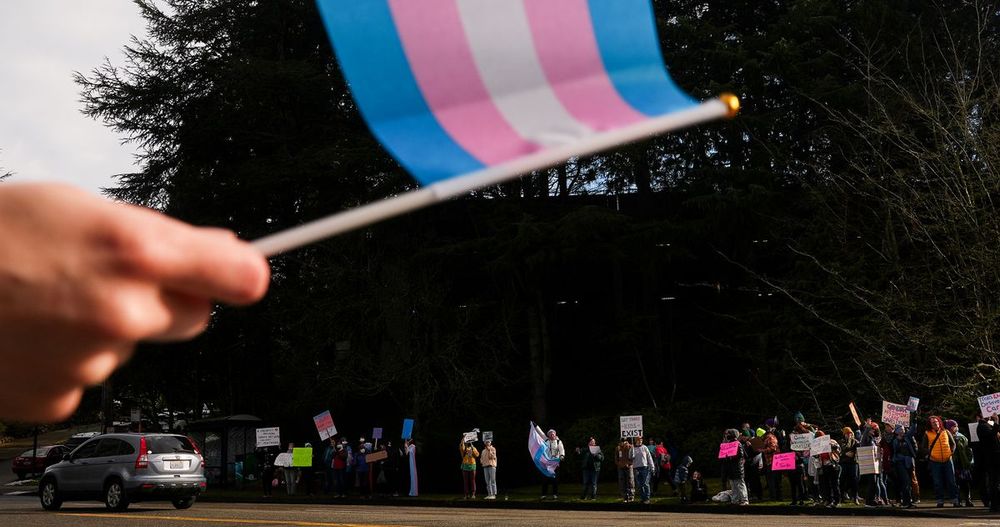
Wokeness Is Not to Blame for Trump
How a misdiagnosis of the 2024 election has calcified into self-defeating conventional wisdom.
Wrote about the morally vacuous, strategically unsound (and also wrong!) anti-“woke”diagnosis everyone’s still sticking with, even in the midst of civil rights apocalypse.
18.02.2025 12:33 —
👍 4043
🔁 1089
💬 109
📌 178

Weather forecast for Orlando, FL
But have you considered:
17.05.2024 22:29 —
👍 3
🔁 0
💬 1
📌 0
So great to see you here Katie!
19.09.2023 12:00 —
👍 4
🔁 0
💬 0
📌 0
For all the pulmonary and critical care folks !
13.09.2023 01:50 —
👍 13
🔁 3
💬 3
📌 0