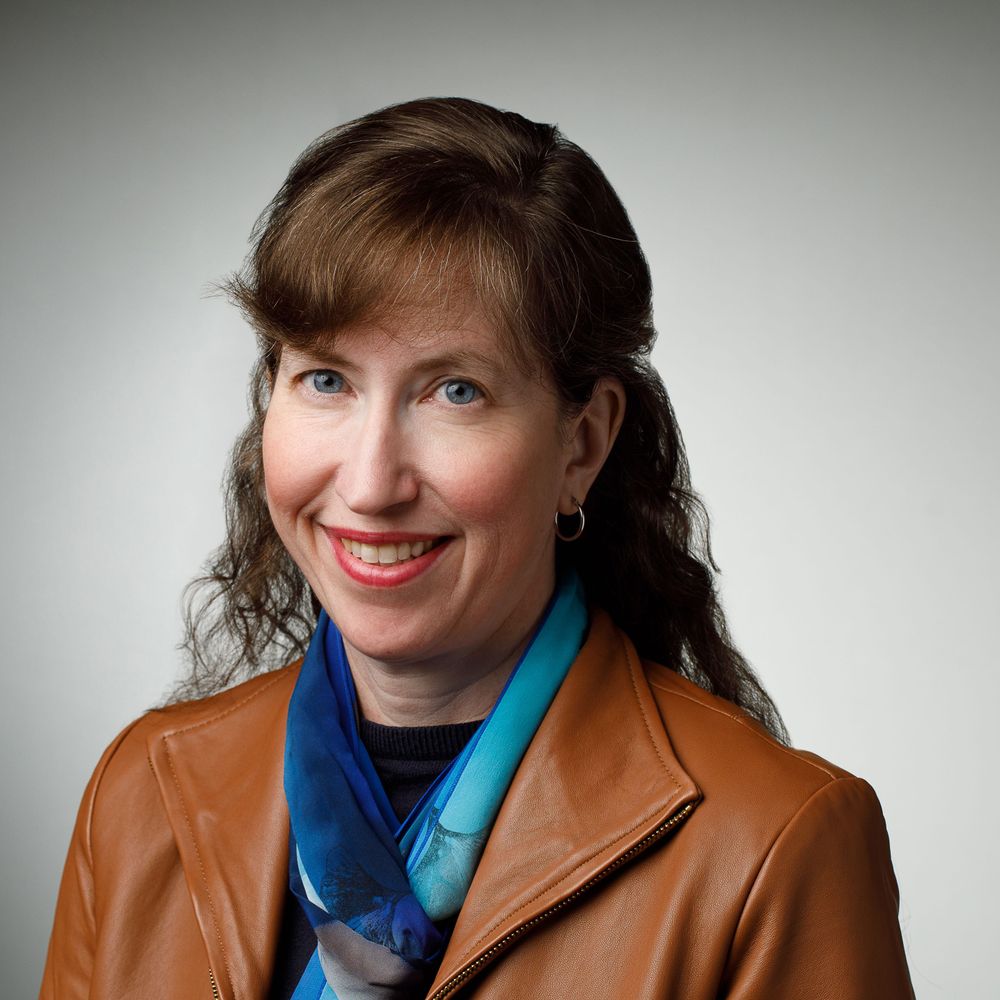
Once I saw a Harrier at dusk flying right past me —will never forget. Thank for sharing these photos!
06.02.2026 12:15 —
👍 2
🔁 0
💬 0
📌 0

Top: Type III interferon alters the nuclear localization of the transcriptional co-regulator YAP during wound healing of human bronchial epithelial cells. Micrographs show localization or YAP (red) relative to the cell nucleus (blue) in cells adjacent to a scratch in the monolayer (dark area, right of images). In untreated cultures, YAP is present in most nuclei (purple nuclei, left panel) whereas in the presence of Type III interferon, the percentage of cells with nuclear YAP is greatly reduced (blue nuclei, right panel). Image credit: Krupakar Subramaniam. Bottom: Model. Type III and Type I IFN receptor signaling activate LATS1 to curtail tissue repair during acute viral infection. Left-hand panel: During acute viral infection, high concentrations of Type III and/or Type I IFN receptor signaling trigger JAK-dependent, STAT1-independent phosphorylation of LATS1, leading to phosphorylation and degradation of YAP and reduced tissue repair activities mediated by YAP target genes. In rapidly proliferating cell types, active LATS1/2 also blocks repair in part via a p53-dependent mechanism. Right-hand panel: During resolution of viral infection, lower concentrations of Type III and/or Type I IFN may continue to activate STAT1-mediated antiviral defenses but no longer activate LATS1/2, allowing epithelial repair to resume.
#Interferons protect against #ViralInfection, but can hinder tissue repair - how? @ellenfoxman.bsky.social &co show that high IFN levels suppress #BronchialCell migration & proliferation during tissue repair via JAK-driven LATS1 activation, independent of STAT1 @plosbiology.org 🧪 plos.io/4k1pyKA
28.01.2026 09:00 —
👍 4
🔁 1
💬 0
📌 0

© CBC/Radio-Canada 2026. All rights reserved.
Thank you to Bob McDonald for hosting me on @CBCRadioCanada to discuss our work @yaleschoolofmed.bsky.social on what leads to variation in common cold virus infections and how we tackled this using nasal organoids. Listen here: www.cbc.ca/listen/live-...
02.02.2026 15:10 —
👍 3
🔁 1
💬 0
📌 1
Excited to see this beautiful image of nasal #organoids featured as biomedical Image of the day by @cellpress.bsky.social 🙏🙏🙏 See full paper @cellpressblue.bsky.social #respiratory #lungs #EpithelialMechanics #IdSky #MedSky #ImmunoSky
31.01.2026 15:55 —
👍 12
🔁 2
💬 0
📌 0

Top: Type III interferon alters the nuclear localization of the transcriptional co-regulator YAP during wound healing of human bronchial epithelial cells. Micrographs show localization or YAP (red) relative to the cell nucleus (blue) in cells adjacent to a scratch in the monolayer (dark area, right of images). In untreated cultures, YAP is present in most nuclei (purple nuclei, left panel) whereas in the presence of Type III interferon, the percentage of cells with nuclear YAP is greatly reduced (blue nuclei, right panel). Image credit: Krupakar Subramaniam. Bottom: Model. Type III and Type I IFN receptor signaling activate LATS1 to curtail tissue repair during acute viral infection. Left-hand panel: During acute viral infection, high concentrations of Type III and/or Type I IFN receptor signaling trigger JAK-dependent, STAT1-independent phosphorylation of LATS1, leading to phosphorylation and degradation of YAP and reduced tissue repair activities mediated by YAP target genes. In rapidly proliferating cell types, active LATS1/2 also blocks repair in part via a p53-dependent mechanism. Right-hand panel: During resolution of viral infection, lower concentrations of Type III and/or Type I IFN may continue to activate STAT1-mediated antiviral defenses but no longer activate LATS1/2, allowing epithelial repair to resume.
#Interferons protect against #ViralInfection, but can hinder tissue repair - how? @ellenfoxman.bsky.social &co show that high IFN levels suppress #BronchialCell migration & proliferation during tissue repair via JAK-driven LATS1 activation, independent of STAT1 @plosbiology.org 🧪 plos.io/4k1pyKA
27.01.2026 14:00 —
👍 6
🔁 3
💬 0
📌 0
#InterferonFriendsOrFoes? Another cool one @ellenfoxman.bsky.social &friends out @plosbiology.org about how excessive #IFNs delay repair by activating LATS & degrading YAP/TAZ in the Hippo 🦛 pathway! journals.plos.org/plosbiology/... 👇👇👇
27.01.2026 20:33 —
👍 6
🔁 5
💬 0
📌 0
Top: Type III interferon alters the nuclear localization of the transcriptional co-regulator YAP during wound healing of human bronchial epithelial cells. Micrographs show localization or YAP (red) relative to the cell nucleus (blue) in cells adjacent to a scratch in the monolayer (dark area, right of images). In untreated cultures, YAP is present in most nuclei (purple nuclei, left panel) whereas in the presence of Type III interferon, the percentage of cells with nuclear YAP is greatly reduced (blue nuclei, right panel). Image credit: Krupakar Subramaniam. Bottom: Model. Type III and Type I IFN receptor signaling activate LATS1 to curtail tissue repair during acute viral infection. Left-hand panel: During acute viral infection, high concentrations of Type III and/or Type I IFN receptor signaling trigger JAK-dependent, STAT1-independent phosphorylation of LATS1, leading to phosphorylation and degradation of YAP and reduced tissue repair activities mediated by YAP target genes. In rapidly proliferating cell types, active LATS1/2 also blocks repair in part via a p53-dependent mechanism. Right-hand panel: During resolution of viral infection, lower concentrations of Type III and/or Type I IFN may continue to activate STAT1-mediated antiviral defenses but no longer activate LATS1/2, allowing epithelial repair to resume.
#Interferons protect against #ViralInfection, but can hinder tissue repair - how? @ellenfoxman.bsky.social &co show that high IFN levels suppress #BronchialCell migration & proliferation during tissue repair via JAK-driven LATS1 activation, independent of STAT1 @plosbiology.org 🧪 plos.io/4k1pyKA
27.01.2026 17:30 —
👍 5
🔁 2
💬 0
📌 1
Link to original paper: www.cell.com/cell-press-b...
24.01.2026 20:58 —
👍 4
🔁 1
💬 0
📌 0

Nose-in-a-dish: Scientists recreate common cold in culture
Rhinoviruses really nose how to change cells...
Interested in the common cold virus? Check out this clip from the Naked Scientist podcast about our recent study in which we observed thousands of nasal cells interact to cause (or stop) symptoms of common cold infections. #MedSky #IDsky #lungs www.thenakedscientists.com/articles/int...
24.01.2026 20:58 —
👍 11
🔁 2
💬 1
📌 0
Fantastic work @ellenfoxman.bsky.social &co! If you block the #InterferonPower, Rhinovirus activates NFkB & NLRP1 #inflammasome leading to IL1b secretion & excessive mucus production!
22.01.2026 02:23 —
👍 4
🔁 1
💬 0
📌 0

Rhinoviruses are the most frequent cause of common colds but also a major cause of respiratory distress in high-risk groups. Using single-cell sequen cing of rhinovirus-i nfected nasal epithelial organoids, Foxman and colleagues elucidate effective and maladaptive innate immune responses to rhinovirus infection and define targets for intervention
Cells in our nasal passages can detect common cold viruses and mount a defense before we catch it. spkl.io/63321Ao5fV
@ellenfoxman.bsky.social & colleagues
@cellpressblue.bsky.social
19.01.2026 16:00 —
👍 17
🔁 3
💬 2
📌 0

Happy Birthday Christy Turlington.
02.01.2026 23:29 —
👍 3
🔁 2
💬 1
📌 0

On the left - western blot of B16F10 cells wt and KO for CDK8. Our in house produced antibodies give a lot of unspecific bands. On the right same probes with antibodies preincubated with fixed CDK8 KO cells - there is a specific band and faint unspecific bands, which can be probably eliminated with increase of amount of KO cells.
Neat trick if you polycolonal ab's suck. Incubate them with fixed cells with a KO of your protein of interest, then spin. Protocol here: www.med.upenn.edu/markslab/ass...
I was amazed how well it worked on first try (I'm sure that I can completely eliminate unspecific bands)
#WesternBlot #cellsky
02.10.2025 17:11 —
👍 193
🔁 57
💬 7
📌 6

Layers of defense: protection from respiratory viruses by epithelial-intrinsic immunity
A central challenge in defending mucosal barriers is protecting against pathogens while also limiting excessive inflammation. Respiratory viruses are …
Happy to share this review just out in Current Opinion in Immunology on innate immunity in the respiratory tract - also check out the other reviews in this collection on Intrinsic Immunity edited by John MacMicking #ImmunoSky #IDSky #pulmsky #MedSky www.sciencedirect.com/science/arti...
13.10.2025 15:26 —
👍 19
🔁 7
💬 0
📌 1
Regulations.gov
ASSIGNMENT: COMMENT ON SCHEDULE F
1 week left to comment about Schedule F, potentially making NIH institute and center director essentially political appointees.
www.regulations.gov/commenton/OP...
1/n
31.05.2025 13:47 —
👍 98
🔁 87
💬 6
📌 8
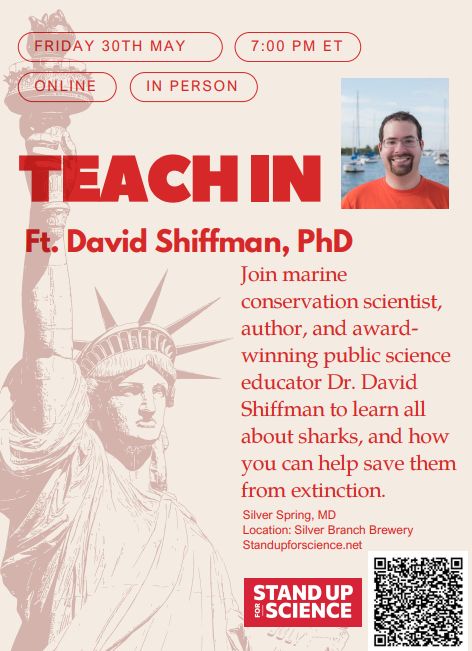
Flier for my talk Friday 5/30 at 7 p.m.
Are you a scientist and not sure what to do to help with all the awfulness all around us? Inspired by Vietnam era activism, @standupforscience.bsky.social is hosting a series of "teach ins," in which scientists share a bit about their area of expertise and why it's important with the public. 🧪🦑🌎
28.05.2025 11:02 —
👍 479
🔁 222
💬 12
📌 26
Check out this news story that @nature.com wrote describing our recent preprint where we tested our H5 mRNA vaccine in calves.
The data look good and we are currently testing the vaccine in lactating cattle...more to come!
21.05.2025 00:15 —
👍 81
🔁 25
💬 1
📌 2

The Nile from the International Space Station:
18.05.2025 23:28 —
👍 6634
🔁 705
💬 109
📌 31
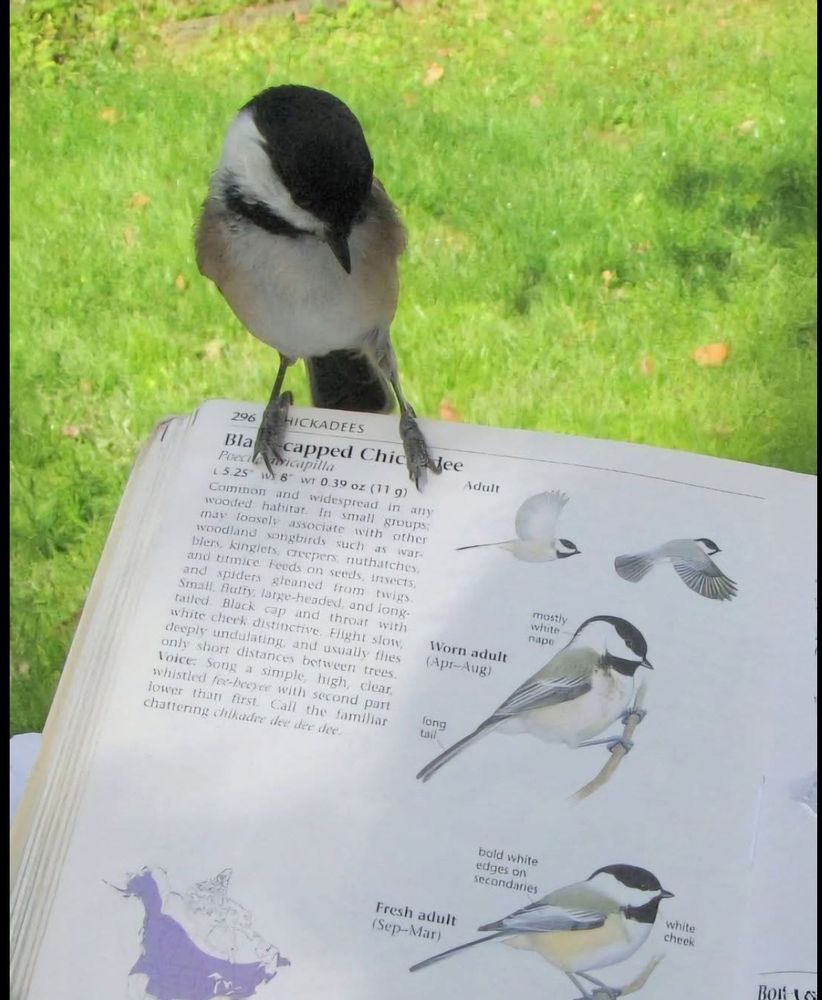
Once in a while. Good morning Blue Sky
19.05.2025 10:06 —
👍 15216
🔁 1387
💬 309
📌 77
Congratulations!
19.05.2025 21:06 —
👍 0
🔁 0
💬 0
📌 0
Spectacular view of 100,000 people attending the #HandsOff march in NYC
05.04.2025 20:44 —
👍 78267
🔁 17583
💬 1375
📌 1370
Thrilled to share our @elife.bsky.social paper "Inflammasomes primarily restrict cytosolic Salmonella replication within human macrophages" by 1st author Dr. @marisaegan.bsky.social (@cambupenn.bsky.social alum, now faculty @swarthmorecollege.bsky.social)! elifesciences.org/articles/90107 🧵(1/n)
02.04.2025 13:02 —
👍 97
🔁 26
💬 10
📌 3