
An excellent opportunity to study one of our key study species including analysis of data collected on Wash Curlew. Follow the link for more details.
20.01.2026 22:17 — 👍 3 🔁 1 💬 0 📌 0An excellent opportunity to study one of our key study species including analysis of data collected on Wash Curlew. Follow the link for more details.
20.01.2026 22:17 — 👍 3 🔁 1 💬 0 📌 0
Another fieldwork trip to Delaware comes to an end. Read the last instalment of WWRG’s shorebird fieldwork activities in Delaware Bay here:
wwrg.org.uk/delaware-202...
Our account of WWRG contributions to Delaware Bay Shorebird research continues in our second blog covering week 2 of fieldwork: read here for more information
wwrg.org.uk/delaware-202...
WWRG has a long history of collaborating with research projects across the world. Our blog describes our latest contributions to shorebird research in Delaware bay, including developments in studying Short-billed Dowitchers.
wwrg.org.uk/delaware-202...

A striking Oystercatcher strolls along wet, rocky mudflats, its vivid orange bill tipped with a tiny morsel of food. The bird’s black and white plumage glows in the low sunlight, and a small silver leg ring is visible, marking it as part of a long-term study.
Big news from the mudflats!
The UK’s oldest known Oystercatchers - aged 41 and 43 - have been discovered on The Wash.
That’s three times their species’ average lifespan!
Legends wade amongst us... 😎
A reminder of why the East Coast Wetlands are so special: buff.ly/rgnjIeg

Establishing how long waders live for is a key factor in understanding their population dynamics. WWRG has been researching waders on the Wash for over 60 years: new longevity records for the species demonstrate the value of long term sustained studies wwrg.org.uk/record-break...
25.04.2025 19:41 — 👍 11 🔁 2 💬 1 📌 0
Is well know species differ in the prey they eat, but do individuals also specialise? Here I discuss how oystercatchers differ in diet, whether stab or hammer to enter prey, whether attack upper or lower surface and whather attack left or right side. youtu.be/XDMX-nwSXvY?...
24.04.2025 05:56 — 👍 22 🔁 6 💬 0 📌 1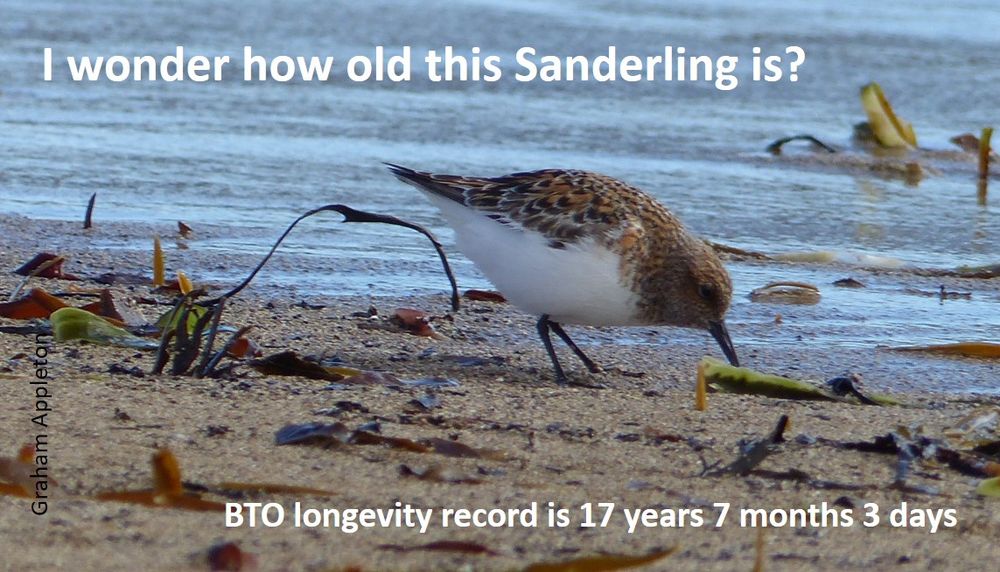
Yesterday's news that a @washwader.bsky.social Oystercatcher had broken the @btobirds.bsky.social longevity record for a wader (now 43 years from ringing to latest capture) begs the question:
"How long do other waders live for?"
Answers here:
wadertales.wordpress.com/2018/01/16/w...
#ornithology

Welcome to our new account! WWRG has been closely monitoring migratory waders on the Wash Estuary UK since 1959 and has noticed an interesting movement of wader enthusiasts to this location!
16.11.2024 17:08 — 👍 8 🔁 1 💬 0 📌 0