Julie Matte's Avatar

Julie Matte

@jcmatte.bsky.social

Scientist in the Trynka lab at the Wellcome Sanger Institute Interested in all things related to T cells, CRISPR and imaging Profile picture by Megan Gozzard

89 Followers  |  256 Following  |  9 Posts  |  Joined: 07.01.2025
Posts Following

Posts by Julie Matte (@jcmatte.bsky.social)

Very happy to share our venture into the wild world of imaging is now out on biorxiv. It has been the start of a very interesting journey with lots of interesting learnings along the way. I for sure will never make the mistake of considering a Jurkat a proper T cell again :)

12.02.2026 10:22 β€” πŸ‘ 4    πŸ” 1    πŸ’¬ 0    πŸ“Œ 0

See some pretty T cells in our preprint
www.biorxiv.org/content/10.6...

12.02.2026 10:00 β€” πŸ‘ 0    πŸ” 0    πŸ’¬ 0    πŸ“Œ 0

Thanks to co‑first @obbakker.bsky.social and lead from @gosiatrynka.bsky.social and co‑authors: Madeline Ohl, Francesco Cisternino, Andrea Manrique RincΓ³n, Anke Husmann, Florence Lichou, Tong Li, Kwasi Kwakwa, Anneliese Speak, Craig Glastonbury, Omer Ali Bayraktar, Carla Jones, Melina Claussnitzer.

12.02.2026 09:59 β€” πŸ‘ 0    πŸ” 0    πŸ’¬ 1    πŸ“Œ 0

🀝 We’re excited to get the community involved and see TGlow (and these pipelines) applied to all sorts of crazy β€” and not‑so‑crazy β€” biological questions.

12.02.2026 09:55 β€” πŸ‘ 0    πŸ” 0    πŸ’¬ 1    πŸ“Œ 0

πŸ’Ύ πŸ€– For the imaging enthusiasts: our open‑source Nextflow pipeline and R toolkit work across imaging assays β€” not just T cells or TGlow β€” and enable reproducible processing, visualisation, and single‑cell statistical analysis, all while preserving that beautiful cellular heterogeneity.

12.02.2026 09:55 β€” πŸ‘ 0    πŸ” 0    πŸ’¬ 1    πŸ“Œ 0

🧠 The result: we’ve profiled >400,000 primary human CD4⁺ and CD8⁺ T cells with TGlow, uncovering activation-, drug-, CRISPR-, and exhaustion‑specific morphological programs β€” from mitochondrial remodelling to cytoskeletal collapse to lipid biogenesis.

12.02.2026 09:55 β€” πŸ‘ 0    πŸ” 0    πŸ’¬ 1    πŸ“Œ 0

πŸ”¬ Inspired by image‑based profiling approaches like Cell Painting, we tailored the experimental and computational pipelines to the immune system: integrating cyclic imaging to include functional markers (activation, cell cycle, metabolism), and pushing deeper in z‑space to capture 3D architecture.

12.02.2026 09:54 β€” πŸ‘ 0    πŸ” 0    πŸ’¬ 1    πŸ“Œ 0

πŸ’‘ TGlow bridges this gap: a high-dimensional phenotyping platform for lymphocytes with omics-level scale and resolution, offering a complementary lens on downstream cellular behaviours.

12.02.2026 09:54 β€” πŸ‘ 0    πŸ” 0    πŸ’¬ 1    πŸ“Œ 0

❓ With single-cell omics, we can now profile immune cells at scale, down to every RNA and protein. But some questions still persists: how, or even if, do these molecular changes translate to function? what unfolds inside the cell afterward?

12.02.2026 09:54 β€” πŸ‘ 1    πŸ” 0    πŸ’¬ 1    πŸ“Œ 0

Thrilled to share TGlow, our high‑content imaging platform for scalable single‑cell phenotyping of lymphocytes. It complements single‑cell omics by revealing what happens next inside the cell and does so at scale. Details in the thread & link to our preprint: www.biorxiv.org/content/10.6...

12.02.2026 09:53 β€” πŸ‘ 3    πŸ” 0    πŸ’¬ 1    πŸ“Œ 1
Preview
Integrated QTL mapping and CRISPR screening in pooled iPSC-derived microglia reveals genetic drivers of neurodegenerative risk Mounting evidence implicates microglia in neurodegeneration, but linking disease-associated genetic variants to target genes and cellular phenotypes is hindered by the inaccessibility of these cells. ...

Out now on bioRxiv! 🧬πŸ–₯️

A team from the Cowley, Bassett, and @gosiatrynka.bsky.social labs integrate pooled iPSC phenotyping, transcriptomics, and CRISPR perturbations to identify genetic drivers of molecular and cellular phenotypes in microglia

www.biorxiv.org/content/10.1...
#neuroskyence

26.08.2025 10:16 β€” πŸ‘ 11    πŸ” 5    πŸ’¬ 0    πŸ“Œ 0
Preview
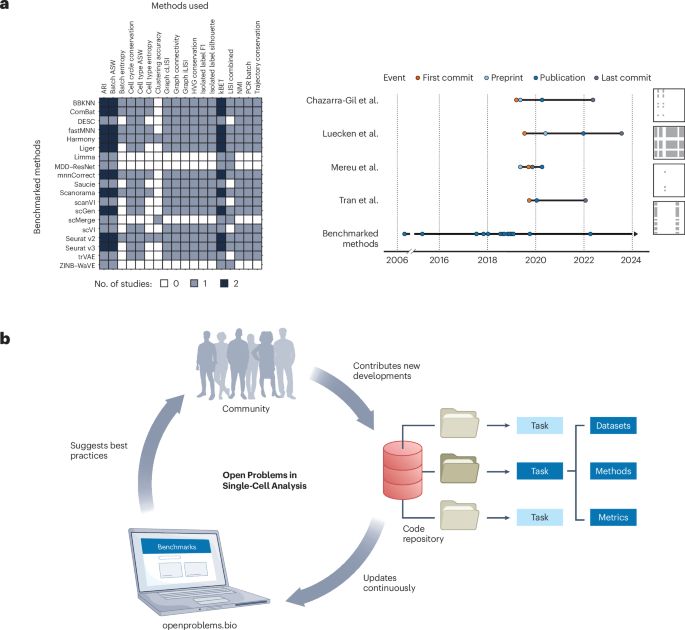
Defining and benchmarking open problems in single-cell analysis - Nature Biotechnology Nature Biotechnology - Defining and benchmarking open problems in single-cell analysis

New OpenProblems paper out! πŸ“

Led by Malte LΓΌcken with Smita Krishnaswamy, we present openproblems.bio – a community-driven platform benchmarking single-cell analysis methods.

Excited about transparent, evolving best practices for the field!

πŸ”— www.nature.com/articles/s41...

03.07.2025 06:35 β€” πŸ‘ 23    πŸ” 9    πŸ’¬ 0    πŸ“Œ 0
Preview
A systems immunology analysis of Alzheimer’s disease reveals an age- and environmental exposure-independent disturbance in B cell maturation Alzheimer’s disease is a severe neurodegenerative disorder, with multifactorial mechanisms of disease development and progression. Evidence from genetic association studies, animal models, and clinica...

Pre-print time! Our new study on #systemsimmunology analysis of #Alzheimers patients is out now on @medrxivpreprint.bsky.social.

This is the culmination of a long collaboration with Rik Vandenberghe, Stephanie Humblet-Baron and Lidia Yshii's labs at KU Leuven. 🧡1/8

www.medrxiv.org/content/10.1...

21.06.2025 11:29 β€” πŸ‘ 59    πŸ” 21    πŸ’¬ 1    πŸ“Œ 0
Preview
Tissue-specific and circulatory immune signatures of mucosal inflammation in Crohn's disease Crohn's disease (CD) is a heterogeneous disease characterized by chronic inflammation of the gastrointestinal tract driven by an aberrant immune response. To understand the immune mechanisms underlyin...

🚨 SUPER EXCITED to share our new preprint on the mucosal and circulatory immune landscape of Crohn’s disease!

🩸 Blood is commonly used in biomarker discovery and drug development, but how well does it reflect what's actually happening in the gut? πŸ‘€

🧡 1/10
πŸ”— www.medrxiv.org/content/10.1...

04.06.2025 20:00 β€” πŸ‘ 5    πŸ” 4    πŸ’¬ 1    πŸ“Œ 3
Post image

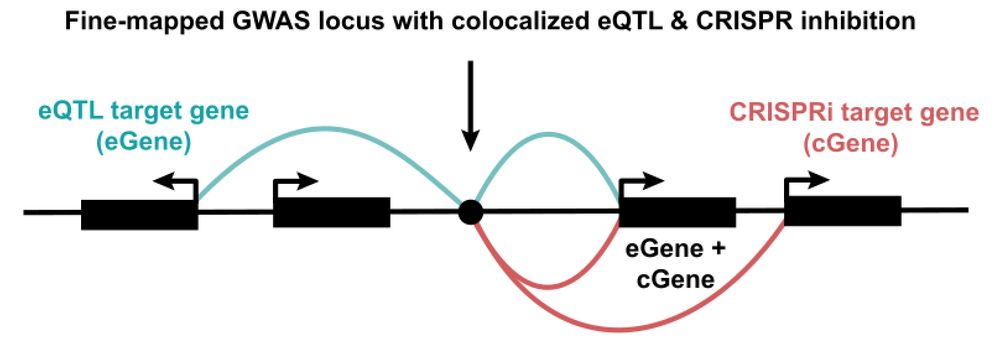
Our new contribution to the quest to find causal GWAS genes! Sam Ghatan from my lab at @nygenome.org led a systematic comparison of eQTLs and CRISPRi+scRNA-seq screens. TL;DR: they provide highly complementary insights, with ortogonal pros and cons. πŸ§΅πŸ‘‡
www.biorxiv.org/content/10.1...

06.05.2025 17:00 β€” πŸ‘ 98    πŸ” 42    πŸ’¬ 1    πŸ“Œ 2

Out today in Nature Biotechnology!

This Open Targets project created an atlas of tissue-specific protein associations for 11 human tissues, furthering our understanding of cell-type and tissue-specific function, and helping to prioritise more specificβ€”and potentially saferβ€”drug targets 🧬πŸ–₯️

02.05.2025 11:02 β€” πŸ‘ 11    πŸ” 3    πŸ’¬ 0    πŸ“Œ 0
Preview
Cell cycle duration determines oncogenic transformation capacity - Nature Total cell cycle duration is a key hallmark of cancer initiation, and determines whether defects in apoptosis, senescence, immune surveillance, angiogenesis, DNA repair, polarity and proliferation lea...

Cell cycle duration determines oncogenic transformation capacity

Tumours usually originate from a specific cell type in a given tissue; cell types that have faster cycles are more likely to become cancerous

πŸ§ͺ

www.nature.com/articles/s41...

02.05.2025 06:01 β€” πŸ‘ 17    πŸ” 9    πŸ’¬ 0    πŸ“Œ 1
Preview
Genome-scale models in human metabologenomics | Nature Reviews Genetics Metabologenomics integrates metabolomics with other omics data types to comprehensively study the genetic and environmental factors that influence metabolism. These multi-omics data can be incorporated into genome-scale metabolic models (GEMs), which are highly curated knowledge bases that explicitly account for genes, transcripts, proteins and metabolites. By including all known biochemical reactions catalysed by enzymes and transporters encoded in the human genome, GEMs analyse and predict the behaviour of complex metabolic networks. Continued advancements to the scale and scope of GEMs β€” from cells and tissues to microbiomes and the whole body β€” have helped to design effective treatments and develop better diagnostic tools for metabolic diseases. Furthermore, increasing amounts of multi-omics data are incorporated into GEMs to better identify the underlying mechanisms, biomarkers and potential drug targets of metabolic diseases. Metabologenomics integrates multi-omics data into geno

Explore human metabologenomics with GEMs, integrating 1000s of genes, proteins, and metabolites to uncover metabolism's mysteries! PMID:39300314, Nat Rev Genet 2025, @NatureRevGenet https://doi.org/10.1038/s41576-024-00768-0 #Medsky #Pharmsky #RNA #ASHG #ESHG πŸ§ͺ

02.05.2025 09:10 β€” πŸ‘ 2    πŸ” 1    πŸ’¬ 0    πŸ“Œ 0
Preview
Mechanoregulation of lymphocyte cytotoxicity - Nature Reviews Immunology Cytotoxic T lymphocytes and natural killer cells destroy target cells using a mechanically active cytolytic immune synapse. This Review examines the various ways in which mechanical forces contribute ...

NEW Review online by Morgan Huse @mskcancercenter.bsky.social looks at how mechanical forces contribute to the potency, specificity and efficacy of the cytotoxic lymphocyte response
#immunosky

02.05.2025 08:21 β€” πŸ‘ 40    πŸ” 17    πŸ’¬ 0    πŸ“Œ 1
Preview
Regulated somatic hypermutation enhances antibody affinity maturation - Nature Germinal centre B cells modify their mutation rate to preserve high-affinity receptors, thereby safeguarding high-affinity B cell lineages and enhancing the outcomes of antibody affinity maturation.

How can B cells rapidly proliferate and have mutations suppressed? A longstanding mystery solved involving transient mutation suppression capability of germinal centers
nature.com/articles/s41...
www.nature.com/articles/s41...

19.03.2025 19:56 β€” πŸ‘ 176    πŸ” 35    πŸ’¬ 5    πŸ“Œ 1
Preview
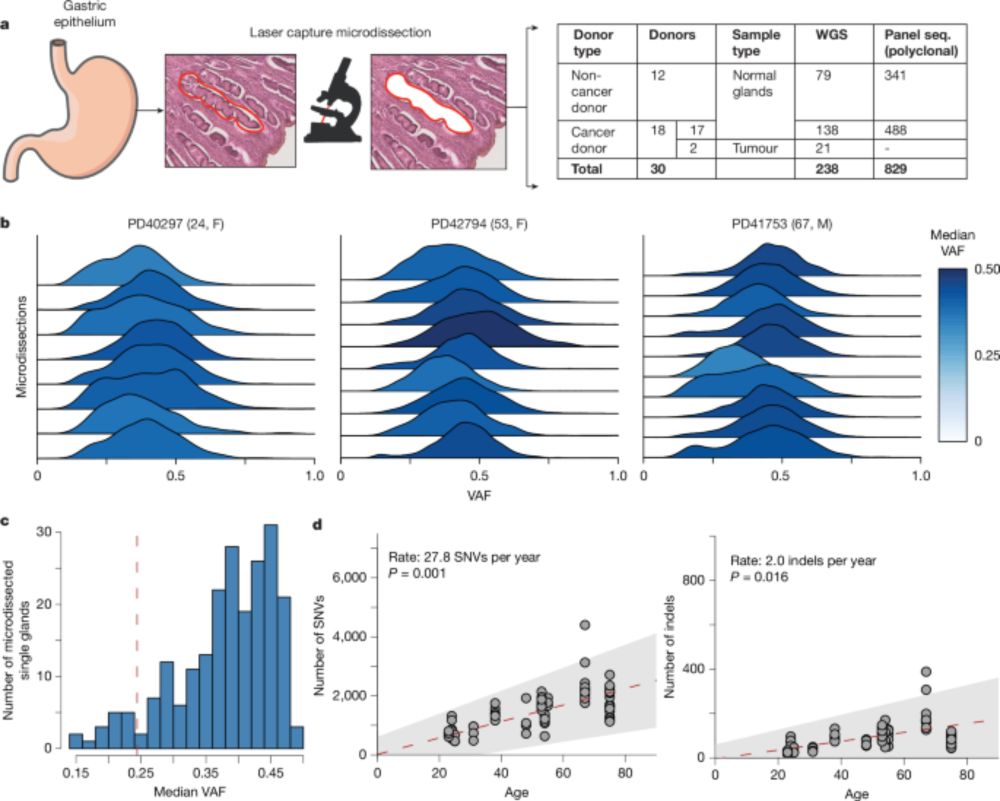
The somatic mutation landscape of normal gastric epithelium - Nature Whole-gene sequencing of microdissected gastric glands from individuals with and without gastric cancer reveals distinct patterns of somatic mutations and provides insights into influen...

The stomach is an organ unique in its function, environment and exposures. How does this affect the mutations that normal cells in the stomach acquire? What does this reveal about the origins of stomach cancer? These questions and more in our @nature.com paper:
www.nature.com/articles/s41...

20.03.2025 14:58 β€” πŸ‘ 40    πŸ” 16    πŸ’¬ 3    πŸ“Œ 1
Preview
Directed disruption of IL2 aggregation and receptor binding sites produces designer biologics with enhanced specificity and improved production capacity The pleotropic nature of interleukin-2 (IL2) has allowed it to be used as both a pro-inflammatory and anti-inflammatory therapeutic agent, through pro…

New research article from the lab led by the amazing @amydashwood.bsky.social !

In collaboration with @vib-switch-lab.bsky.social @cbdresearch.bsky.social we engineered variants of #IL2 designed for therapeutic use. 1/11

www.sciencedirect.com/science/arti...

18.03.2025 15:02 β€” πŸ‘ 36    πŸ” 9    πŸ’¬ 1    πŸ“Œ 1
Preview
A structured coalescent model reveals deep ancestral structure shared by all modern humans - Nature Genetics The cobraa model extends the pairwise sequentially Markovian coalescent to identify structured population history by examination of the model transition matrix. Applied to human polymorphism data, cob...

Our paper on ancient human population structure is now published. We find that the ancestors of modern humans lived in multiple populations during the period when Homo sapiens evolved in Africa. www.nature.com/articles/s41...

18.03.2025 22:21 β€” πŸ‘ 121    πŸ” 52    πŸ’¬ 2    πŸ“Œ 4
Post image Post image

Tomorrow is the last day to apply to the Leena Peltonen School of Human Genomics summer program (Wellcome Campus, UK) for scientists nearing the completion of their PhD. 1:1 mentorship from many fantastic tutors!

lpshg.com/how-to-apply/

07.03.2025 02:50 β€” πŸ‘ 19    πŸ” 16    πŸ’¬ 0    πŸ“Œ 1
Preview
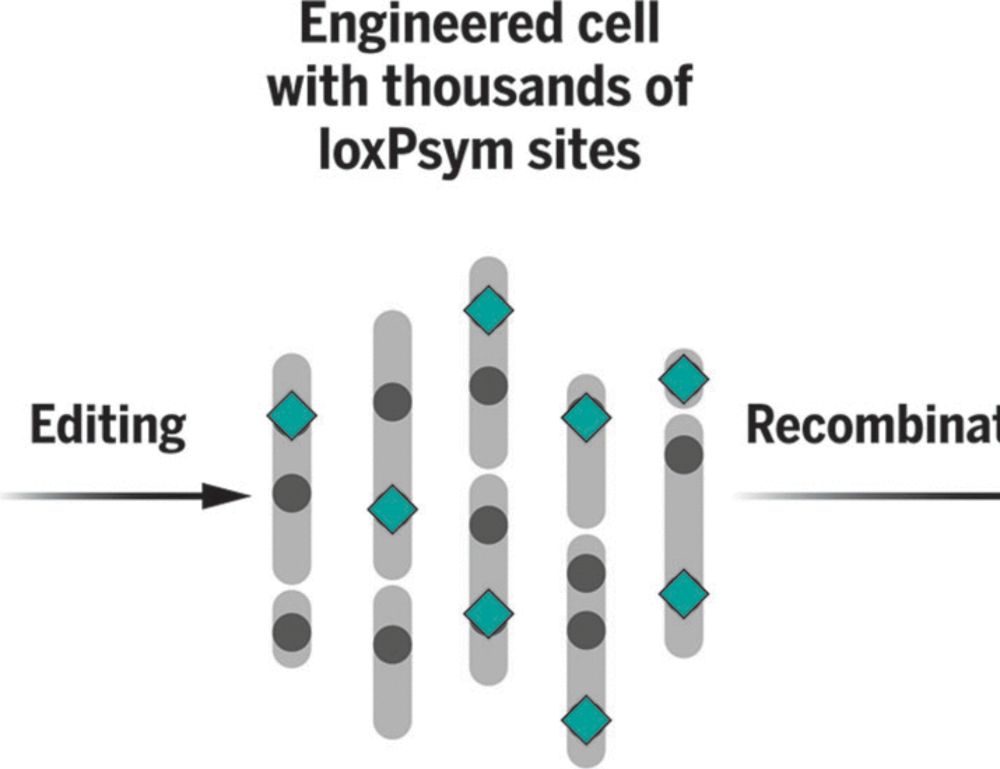
Randomizing the human genome by engineering recombination between repeat elements We lack tools to edit DNA sequences at scales necessary to study 99% of the human genome that is noncoding. To address this gap, we applied CRISPR prime editing to insert recombination handles into re...

We're delighted to share our work on scrambling the human genome using prime editing, repetitive elements, and recombinases in @science.org , led by @jonaskoeppel.bsky.social , @f-raphael.bsky.social , with @proftomellis.bsky.social and George Church.
www.science.org/doi/10.1126/...

31.01.2025 13:48 β€” πŸ‘ 139    πŸ” 61    πŸ’¬ 2    πŸ“Œ 5
Post image

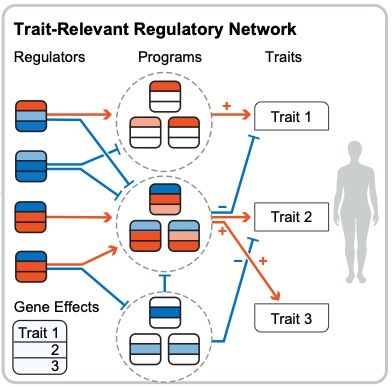
Modern GWAS can identify 1000s of significant hits but it can be hard to turn this into biological insight. What key cellular functions link genetic variation to disease?

I'm very excited to present our new work combining associations and Perturb-seq to build interpretable causal graphs! A 🧡

26.01.2025 00:13 β€” πŸ‘ 320    πŸ” 118    πŸ’¬ 6    πŸ“Œ 10

"The main question when reviewing a paper should be whether its conclusions are likely to be correct, not whether it would be important if it were true. Real advances are built with bricks, not straw."
A perpetual must-read: www.nature.com/articles/545...

18.01.2025 00:58 β€” πŸ‘ 36    πŸ” 11    πŸ’¬ 1    πŸ“Œ 0

The Week in Bio #34. Research highlights from the week including randomisation of a super-enhancer, catalytic LYTACs from Lycia Therapeutics and de novo design of binders for snake venom. Link below.

20.01.2025 16:04 β€” πŸ‘ 5    πŸ” 4    πŸ’¬ 1    πŸ“Œ 0
Enhancer scrambling strategy

Enhancer scrambling strategy

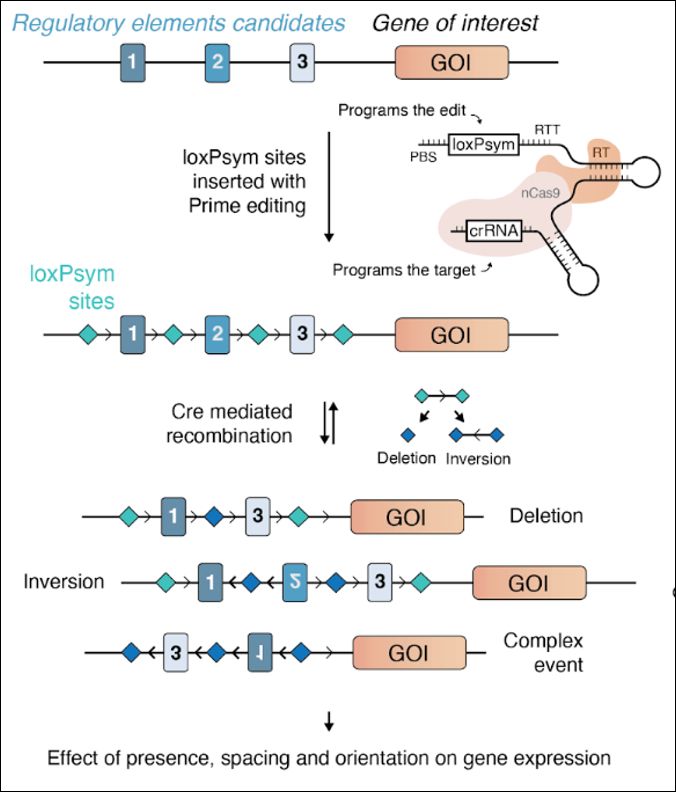
We are happy to share our enhancer scramble story, a strategy to create hundreds of stochastic deletions, inversions, and duplications within mammalian gene regulatory regions and associate these new architectures with gene expression levels 🧡
www.biorxiv.org/content/10.1...

15.01.2025 20:32 β€” πŸ‘ 183    πŸ” 77    πŸ’¬ 3    πŸ“Œ 2
Preview
The Week in Bio #33 Research highlights from the week

The Week in Bio #33. Research highlights from the week including saturation mutagenesis of 500 human protein domains from the Lehner lab, Profluent Bio’s latest deep learning model and predicting RNA-seq from DNA with Borzoi. weekinbio.substack.com/p/the-week-i...

14.01.2025 13:13 β€” πŸ‘ 6    πŸ” 2    πŸ’¬ 0    πŸ“Œ 0