preLighters go live! This Thursday - preLights
– How do membrane actin protrusions initiate to T-cells signalling? – What does RhoA have to do with nuclear envelope tensions in stem cells? – Does advanced microscopy help study mechano-signalling –...
preLighters go live!
A light and lively face-to-face conversation between the preLighters @fadelvalle.bsky.social & Vibha Singh and the researchers probablycarmen.bsky.social & Eva Mejia-Ramirez will be hosted at the @focalplane.bsky.social webinar.
4 Sept, 14.00-15.00 BST
Tune in!
02.09.2025 13:04 — 👍 9 🔁 7 💬 0 📌 0
One week to go!
Register now for our #FocalPlaneFeatures webinar with @prelights.bsky.social.
us02web.zoom.us/webinar/regi...
28.08.2025 15:05 — 👍 1 🔁 4 💬 0 📌 0

FocalPlane features... meets preLights
Thursday 4 September 2025, 14:00 BST (UTC+1) FocalPlane logo
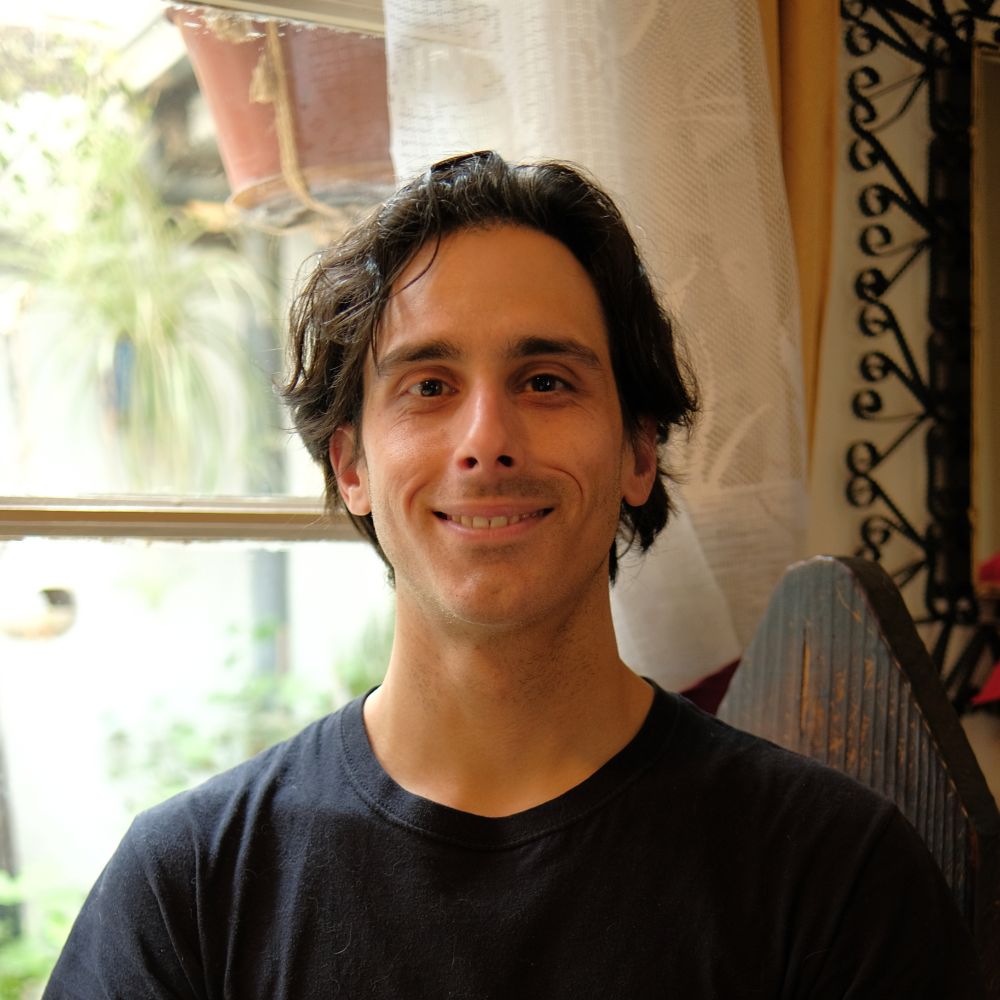
Picture of Carmen Rodilla-Ramírez
T cell protrusions enable fast, localised initiation of CAR signalling
Carmen Rodilla-Ramírez (Freie Universität Berlin)
Picture of Eva Mejia-Ramirez
Targeting RhoA activity rejuvenates aged hematopoietic stem cells
Eva Mejia-Ramirez (The Bellvitge Institute for Biomedical Research)
preLights logo
Hosted by preLighters Felipe Del Valle Batalla and Vibha Singh
@focalplane.bsky.social @prelights.bsky.social
#FocalPlaneFeatures #preprints
#FocalPlaneFeatures meets @prelights.bsky.social
@fadelvalle.bsky.social & Vibha Singh have picked 2 fantastic #cellbio preprints & will be presenting their preLights alongside research talks from @probablycarmen.bsky.social & Eva Mejia-Ramirez.
Register: focalplane.biologists.com/2025/08/20/f...
21.08.2025 13:48 — 👍 15 🔁 13 💬 1 📌 5
Great to see our preprint from @probablycarmen.bsky.social and co highlighted in the @focalplane.bsky.social list of studies using #microscopy to answer bio questions questions! www.biorxiv.org/content/10.1...
13.08.2025 10:27 — 👍 15 🔁 3 💬 0 📌 0

Microscopy preprints - applications in biology - FocalPlane
Microscopy preprints - applications in biology - News
📢Our preprint list is up on FocalPlane 🔬
This week we featured preprints that use #microscopy to answer questions in #biology. Check them out and let us know about any recent preprints that we should add to the list!
focalplane.biologists.com/2025/08/12/m...
12.08.2025 13:31 — 👍 8 🔁 3 💬 0 📌 2

Woops! .png with no background ruined EVERYTHING. Here is a readable version:
09.07.2025 13:28 — 👍 3 🔁 0 💬 0 📌 0
Special mention to Xiaolei Su, that led us to this adventure in immune cell biology.
Thanks to @hfspo.bsky.social for funding this new exciting @franbottanelli.bsky.social lab adventure! :)
09.07.2025 12:50 — 👍 1 🔁 0 💬 0 📌 0
So yes, protrusions do it better! We hope this work sparks new ideas on how membrane architecture shapes signalling.
Thanks for reading, and feel free to reach out with questions or thoughts!
09.07.2025 12:50 — 👍 1 🔁 0 💬 1 📌 0
13. Even when we used a non-signalling CAR mutant, CD45 was still excluded at protrusions.
So the enhanced CD45 exclusion is not signalling-dependent.
09.07.2025 12:50 — 👍 1 🔁 0 💬 1 📌 0
12. We observed that exclusion at protrusion contacts happened earlier and more strongly when compared to CD45 exclusion at flat membranes
09.07.2025 12:50 — 👍 2 🔁 0 💬 1 📌 0

11. The answer is the increased of CD45 exclusion at protrusion mediated contacts
09.07.2025 12:50 — 👍 2 🔁 0 💬 1 📌 0

10. Interestingly, Lck doesn’t rearrange at the macroscale. It stays uniformly distributed even during activation, without any specific enrichment in protrusions at any point
So what drives the enhanced protrusion CAR activation?
09.07.2025 12:50 — 👍 2 🔁 0 💬 1 📌 0
9. So… why? We go on to observe the positive and negative regulators of the process: the kinase Lck and the phosphatase CD45.
09.07.2025 12:50 — 👍 3 🔁 0 💬 1 📌 0
8. Then comes LAT, clustering downstream of ZAP-70.
LAT clusters appear faster and more intensely in protrusions compared to main body membrane regions
09.07.2025 12:50 — 👍 3 🔁 0 💬 1 📌 0
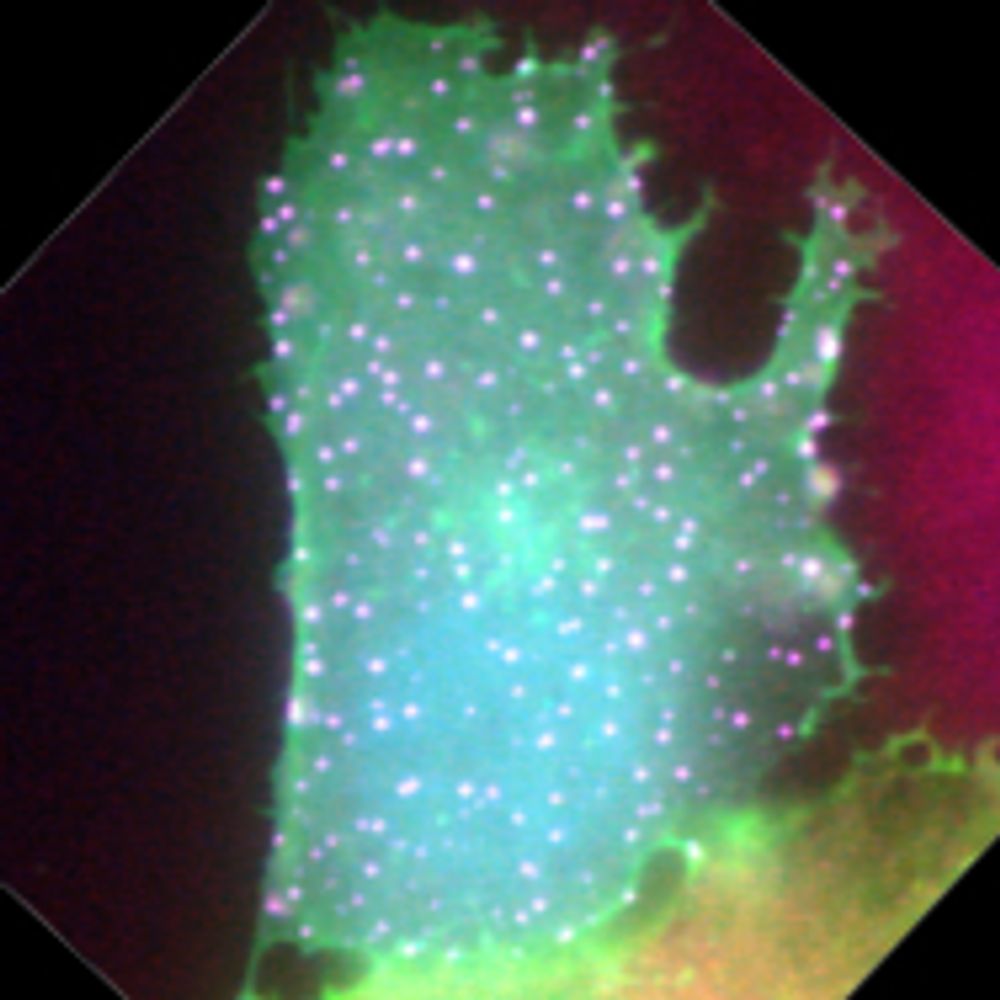
7. The CAR clusters are activated immediately and the increased CAR enrichment in protrusions is accompanied with an increased ZAP-70 recruitment to these structures
09.07.2025 12:50 — 👍 3 🔁 0 💬 1 📌 0

6. The result: CARs enrich faster and stronger in protrusion contacts than flat membranes
09.07.2025 12:50 — 👍 4 🔁 0 💬 1 📌 0
5. In collaboration with Amin from the @ewerslab.bsky.social, we developed an image analysis pipeline to distinguish between protrusions and main body protein rearrangements
09.07.2025 12:50 — 👍 3 🔁 0 💬 1 📌 0
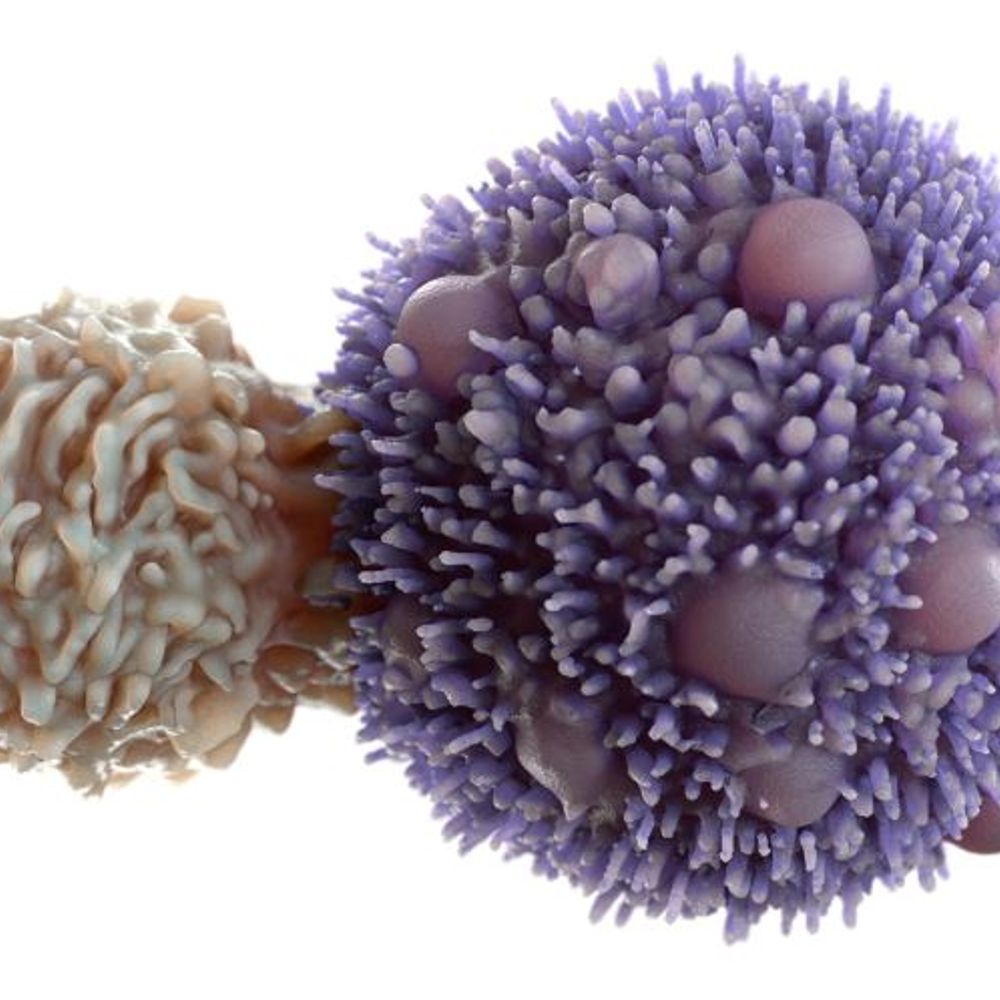
4. The logic works both ways: protrusive structures from the breast cancer cell are also able to push into the T cell and create a contact that accumulates CARs!
09.07.2025 12:50 — 👍 4 🔁 0 💬 1 📌 0
3. But the game changes when T cells meet their targets.
First contacts happen via protrusions.
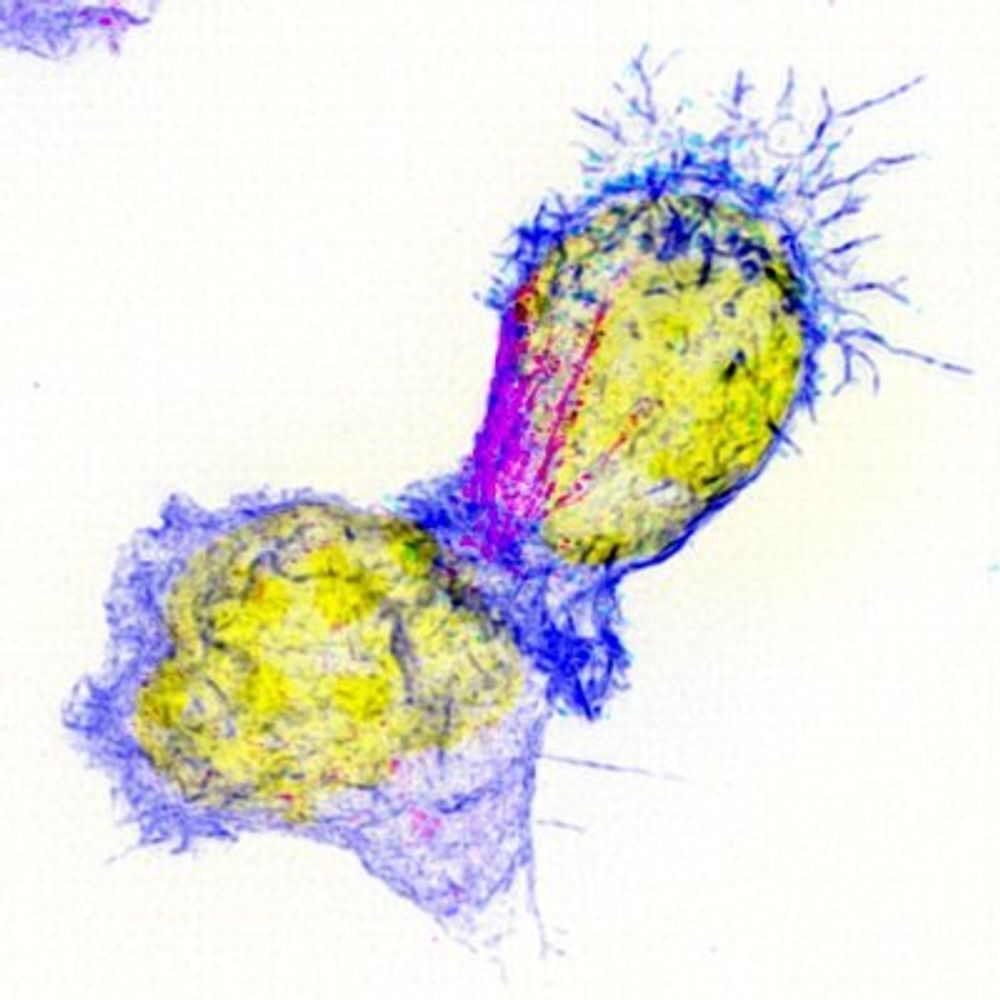
Within seconds, CARs cluster specifically at these sites. In here, you can see a Jurkat T cell expressing a HER2-CAR (yellow) and a membrane marker (cyan) contacting a breast cancer cell (magenta).
09.07.2025 12:50 — 👍 11 🔁 1 💬 1 📌 0

2. In resting T cells, none of these signalling proteins were enriched in protrusions...
09.07.2025 12:50 — 👍 4 🔁 0 💬 2 📌 0

We CRISPR-edited Jurkat T cells to tag key signalling proteins Lck, ZAP-70, LAT, and CD45 at their endogenous loci.
This means no overexpression or immunolabelling artefacts!
Then we used live-cell STED and confocal imaging to track them in 4D
09.07.2025 12:50 — 👍 3 🔁 0 💬 1 📌 0
1. T cells are covered with actin-rich protrusions that play a key role in antigen scanning and discrimination. While growing evidence highlights their importance in immune signalling, it is unclear how they influence the reorganisation of signalling proteins when T cells engage with a target.
09.07.2025 12:50 — 👍 4 🔁 0 💬 1 📌 0
T cell protrusions enable fast, localised initiation of CAR signalling
Actin-rich protrusions densely cover the surface of T cells and are well characterised for their role in cell migration. However, recent studies have uncovered their role in antigen surveillance and immune signalling initiation. To investigate how membrane protrusions initiate and contribute to signalling, from the first cell-cell contact to immunological synapse formation, we performed dynamic imaging experiments of endogenously tagged signalling proteins in T cells. To quantitatively capture the early dynamics of cell-cell interactions, we employed HER2‑CAR-expressing T cells targeting HER2⁺ breast cancer cells. By harnessing live-cell imaging and super-resolution stimulated emission depletion (STED) microscopy we were able to capture topological membrane changes and their correlation with mesoscale protein rearrangements over time. Our findings indicate that, prior to activation, key molecular players in T cell activation, including the kinase Lck, the phosphatase CD45 and the adaptor LAT, as well as the exogenously expressed CAR, lack any enrichment in actin-rich protrusions. However, upon initial contact of the T cell with the target cell, a dynamic and fast rearrangement of the surface receptors, phosphatases, and kinases occurs within the protrusions, ensuring a rapid and effective initiation of the immune signalling cascade. The rapid clustering of the HER2-CAR occurs preferentially within protrusions rather than flat membrane regions and is accompanied by enhanced recruitment of the kinase ZAP-70 and LAT. While the localisation of the kinase Lck remained unchanged, protrusion-cell contacts trigger a pronounced exclusion of the phosphatase CD45, an effect observed both with and without the cytosolic signalling domain of the CAR. Overall, the signalling machinery rearranged more rapidly and efficiently at contacts mediated by protrusive structures compared to non-protrusive regions. Together, our data provide a quantitative framework illustrating how signalling proteins are dynamically reorganised to facilitate CAR-mediated activation within these specialised structures. ### Competing Interest Statement The authors have declared no competing interest.
Check out our new preprint on the role of T cell actin-rich protrusion in CAR signalling initiation.
Spoiler alert: Protrusions do it better
www.biorxiv.org/content/10.1...
09.07.2025 12:50 — 👍 29 🔁 5 💬 3 📌 3
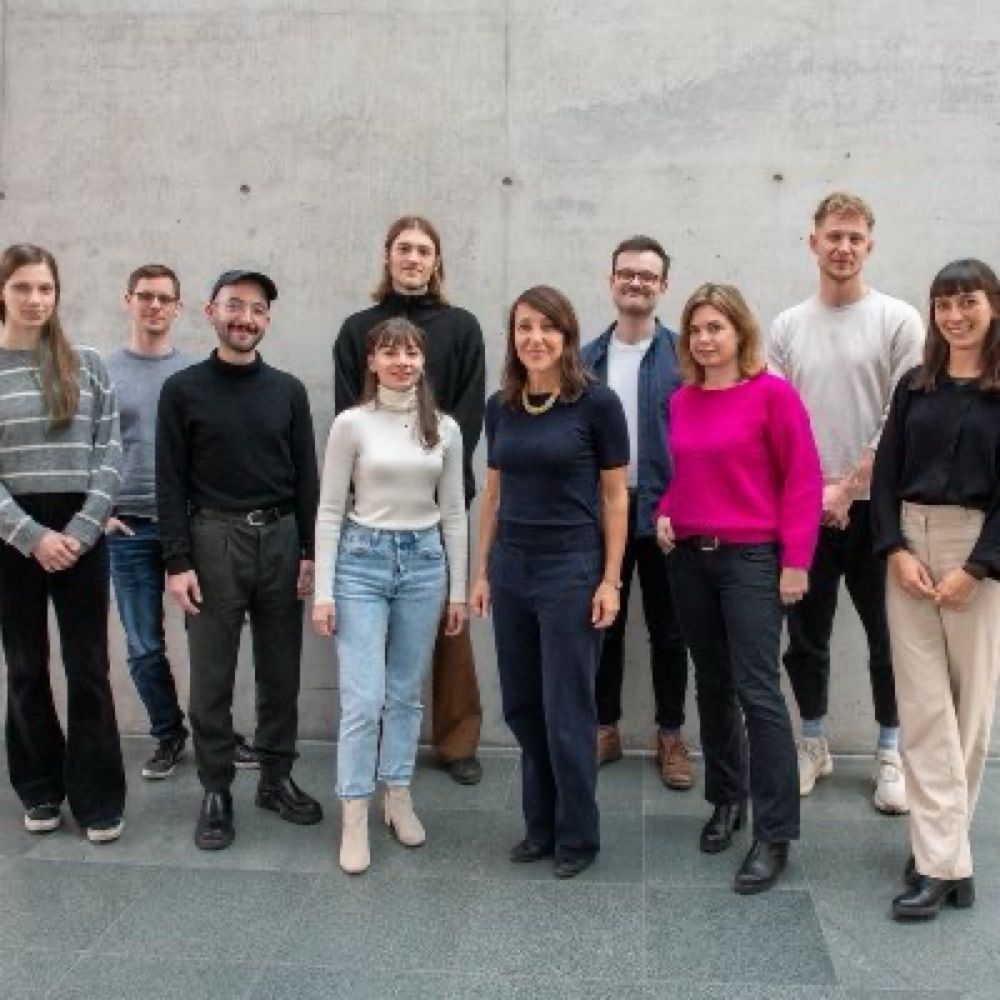
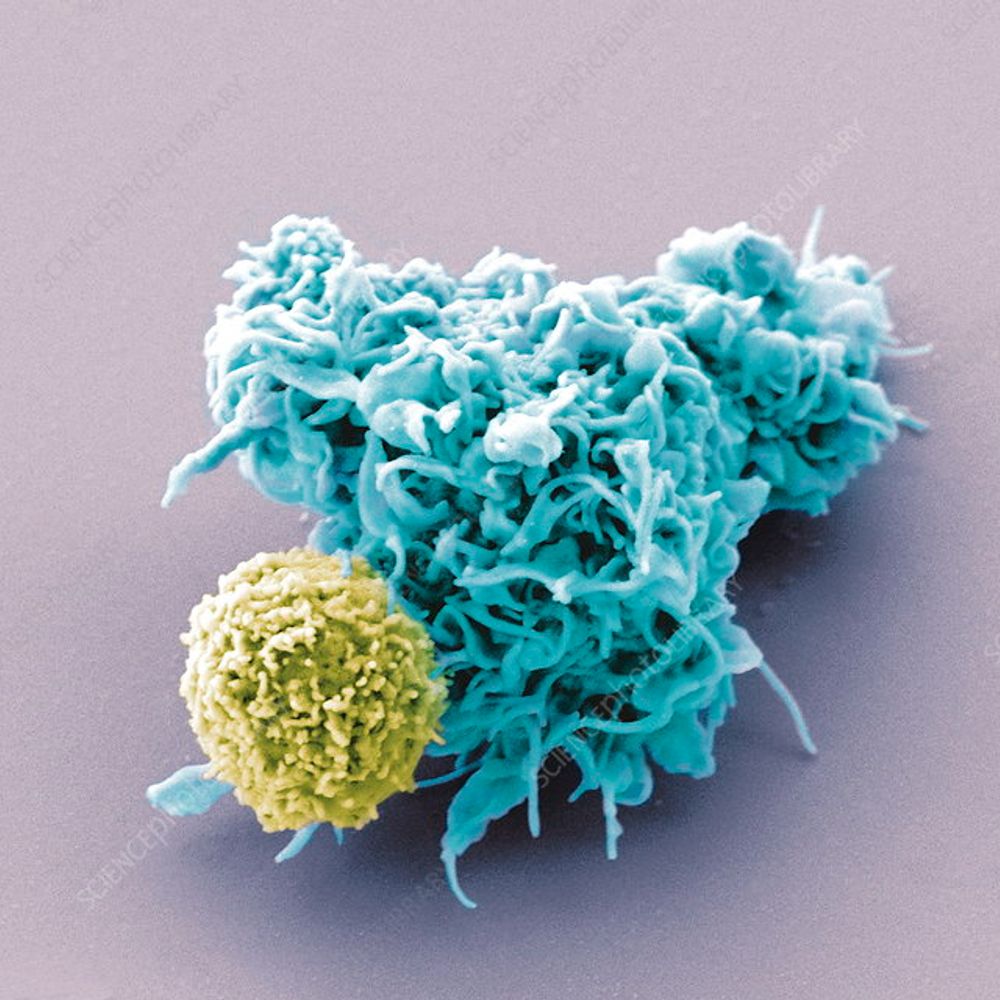
T cells Thursday? Let's start it! We are a group of "accidental immunologists" diving into the mechanisms of membrane organization of signaling molecules in immune cells. Jurkat T cell expressing endogenously tagged ZAP70 (cyan) and a HER2 CAR (yellow), interacting with a SK-BR-2 breast cancer cell
05.12.2024 11:39 — 👍 74 🔁 13 💬 4 📌 2
Cross-Institutional Journal Club. We review immunology #preprints and highlight our favourites. Check our website 👉 https://www.preprintclub.com/
(she/her) Scientist, Berlin-based, PhD Student in @ewerslab.bsky.social
Here for Microscopy, Cytoskeleton, Cellbio, Cytokinesis. Black in STEM
Phd student-Bottanelli Lab FU Berlin -ER to Golgi transport
Immunologists studying the biology of innate lymphoid cells #ILC #NK at Charité University Berlin
We are a research group at University of Freiburg that studies the molecular mechanisms of T cell activation and how to use them for immunotherapy.
https://lillemeier.biologie.uni-freiburg.de/
We are a distributed community of action—scientists and allies working across boundaries to transform ideas into change, and build a new scientific future. Learn more at solvingfor.org
Cell biologist - PhD. What’s a cell? How does it really work? Why do we care?
Loving running, reading, microscopy and coffee.
Opinions are my own. fadelvalle.github.io
Donlin-Asp Lab
University of Edinburgh
Physicist exploring immunobiophysics through microscopy | B cells | mechanobiology | lymph nodes
@cnrs.fr research director, working @institutcochin.bsky.social
Co-team leader of the DyCRIC team:
http://bit.ly/4mBy17l
https://pierobonlab.github.io/
Discovering the remarkable intracellular dynamics of killer T cells
We are Europe's gateway to biological & biomedical imaging expertise. Visit our website: www.eurobioimaging.eu
Profile image by Olivia Harris, Cambridge University.
FocalPlane is a community site for anyone with an interest in microscopy. Hosted by Journal of Cell Science (@jcellsci.bsky.social) and The Company of Biologists (@biologists.bsky.social).
https://focalplane.biologists.com/
Sir Henry Wellcome fellow studying macrophage migration and mechanobiology @UCL. BSc Biochemistry @Bristol. PhD Cancer Biology @CRUK Scotland Institute. 🏴
Cell lover by day, takeaway lover by night.
https://hoanganhle2602.wixsite.com/cellsandtheirwonders
Non-profit publisher of @embojournal.org, @emboreports.org, @embomolmed.org, @molsystbiol.org and @lsajournal.org. #OpenScience #Policy
Fascinated by the Nucleus, Cell Biology, ImmunoBiophysics...
Assist. Prof. @StanfordBioE, @StanfordM&I, @SarafanChemH
https://hrthiamlab.stanford.edu/
Membrane biophysics lab, interested in the membrane phase transition and its impact on cellular processes at the plasma membrane and beyond.
Assistant professor at the University of Tennessee BCMB. Membrane structure, immune receptor signaling, super-resolution imaging.