Our article “Unsuccessful Candidates Are More Concerned About Electoral Fairness than Election Winners” is now online @thejop.bsky.social
Using RDD and elite survey data from Denmark, we show that losing candidates express greater concern about electoral fairness.
🔗 doi.org/10.1086/734240
12.09.2025 06:51 —
👍 42
🔁 11
💬 1
📌 1

"Experiences of Administrative Burden in Context: Exploring Differences Across Countries, Policy Domains, and Socio-Demography" by @martinbaekgaard.bsky.social, Lucie Martin, & Niels Bjørn Petersen finds that citizens associate administrative tasks positively.
doi.org/10.1111/padm...
28.08.2025 15:45 —
👍 2
🔁 1
💬 0
📌 0

If you are preparing your bachelor statistics course and would like to add optional material for students to better understand statistics on a conceptual level (see topics in the screenshot) my free textbook provides a state of the art overview. lakens.github.io/statistical_...
25.08.2025 04:54 —
👍 210
🔁 66
💬 3
📌 4
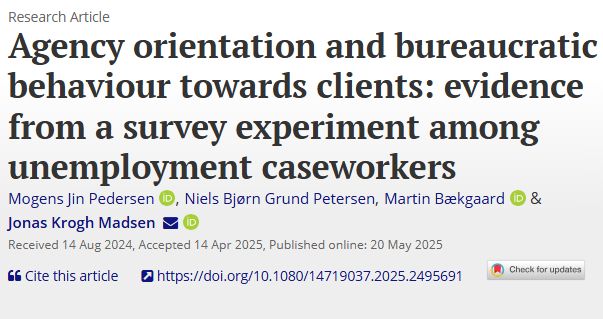
Open access: @mjinpedersen.bsky.social, Niels Bjørn Grund Petersen, @martinbaekgaard.bsky.social & Jonas Krogh Madsen consider how priming of caseworkers’ agency orientation (citizen-agent vs state-agent) influences their conduct towards clients www.tandfonline.com/doi/full/10....
04.06.2025 07:08 —
👍 3
🔁 1
💬 0
📌 0

🚨 New book alert!
Policy Preparation Inside the European Commission is out with OUP @oxfordacademic.bsky.social
It’s about the behind-the-scenes stage of EU policymaking that shapes everything—yet rarely gets the spotlight: how the Commission prepares its proposals.
Link: doi.org/10.1093/9780...
01.05.2025 08:39 —
👍 53
🔁 20
💬 3
📌 1

The super election year is ending, with many winners and losers.
Our new @thejop.bsky.social paper, (@henrikseeberg.bsky.social, @martinbaekgaard.bsky.social ) asks: How do winning and losing candidates see elections?
Spoiler: Losers are more concerned about fairness.
Link: doi.org/10.1086/734240
11.12.2024 12:09 —
👍 42
🔁 18
💬 3
📌 1
Many thanks, Mathias - greatly appreciated!
09.12.2024 08:01 —
👍 0
🔁 0
💬 0
📌 0
Overall, our findings suggest that the effects of ALMPs are lasting, but at the same time greatly depend on how they fit with the resources of clients.
06.12.2024 08:56 —
👍 4
🔁 0
💬 1
📌 0
However, we find no employment effects among the less resourceful recipients of social assistance. Here instead we find negative long-run effects on indicators of mental health. These are entirely driven by clients who already prior to the trial had mental health issues.
06.12.2024 08:56 —
👍 3
🔁 0
💬 1
📌 0
Using evidence from randomized controlled trials, we find that more frequent compulsory meetings with case workers and early activation led to increased labor market participation among resourceful recipients of unemployment insurance benefits even 10 years after the interventions.
06.12.2024 08:56 —
👍 3
🔁 0
💬 1
📌 0
In a new article out in @pnas.org w @michaelsvarer.bsky.social @albecknielsen.bsky.social Michael Rosholm. www.pnas.org/doi/10.1073/..., we explore the long-term unemployment and mental health effects of active labor market programs.
06.12.2024 08:56 —
👍 36
🔁 14
💬 4
📌 1
A perfect day to share that our book, Policy Preparation Inside the European Commission, is coming soon with Oxford University Press! It shows why the European Commission is so vital to EU policymaking. 🇪🇺 #eusky #eursky
27.11.2024 15:27 —
👍 40
🔁 11
💬 3
📌 1
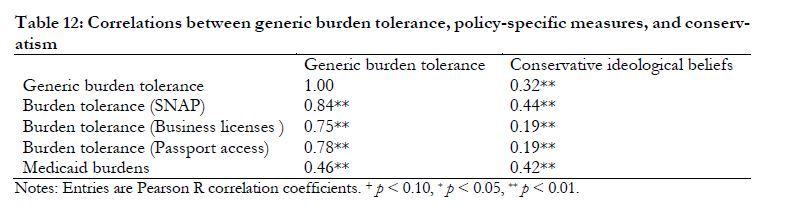
And find that our generic scale correlates highly with the tolerance for burdens in a variety of domains. Conservative beliefs are positively related to burden tolerance (though to different degrees) regardless of domain
05.04.2024 07:34 —
👍 3
🔁 0
💬 0
📌 0
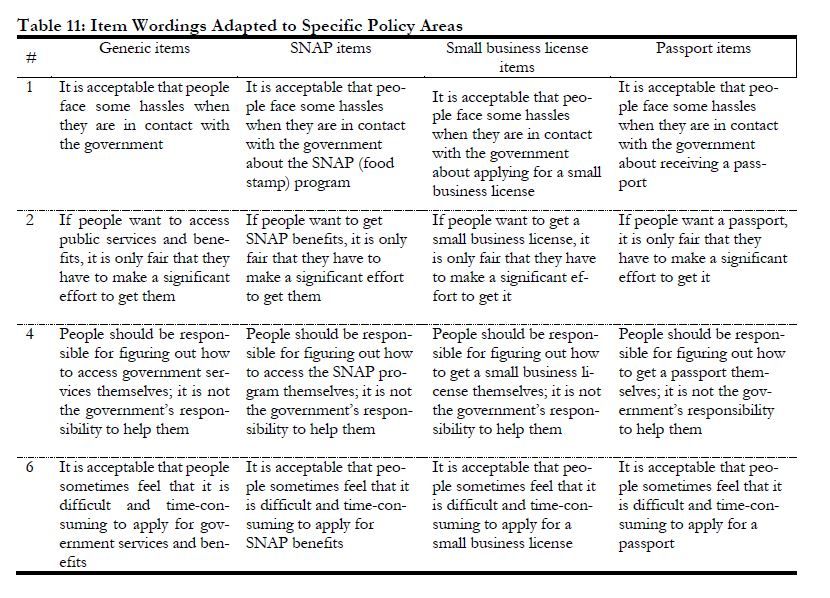
We demonstrate how to adapt the scale to specific policy areas
05.04.2024 07:33 —
👍 2
🔁 1
💬 1
📌 0
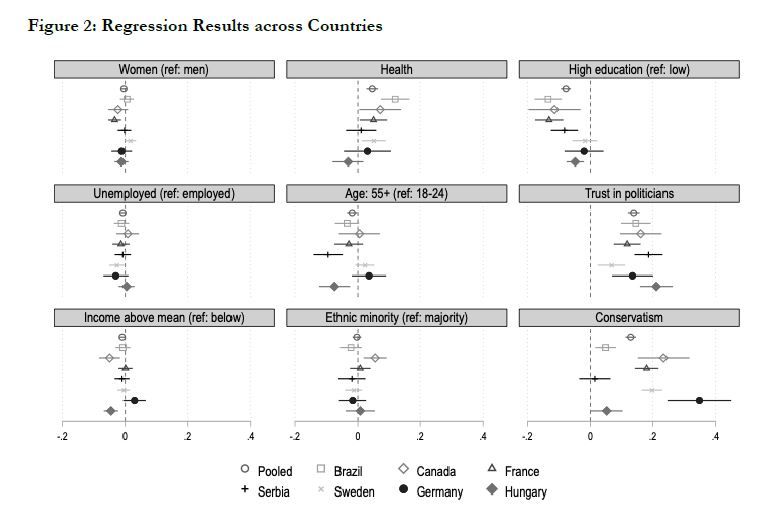
We examine correlates of the scale: Tolerance is higher among males, young adults, less well educated, those with good health, those who trust state actors more, and ideological conservatives.
05.04.2024 07:32 —
👍 1
🔁 0
💬 1
📌 0
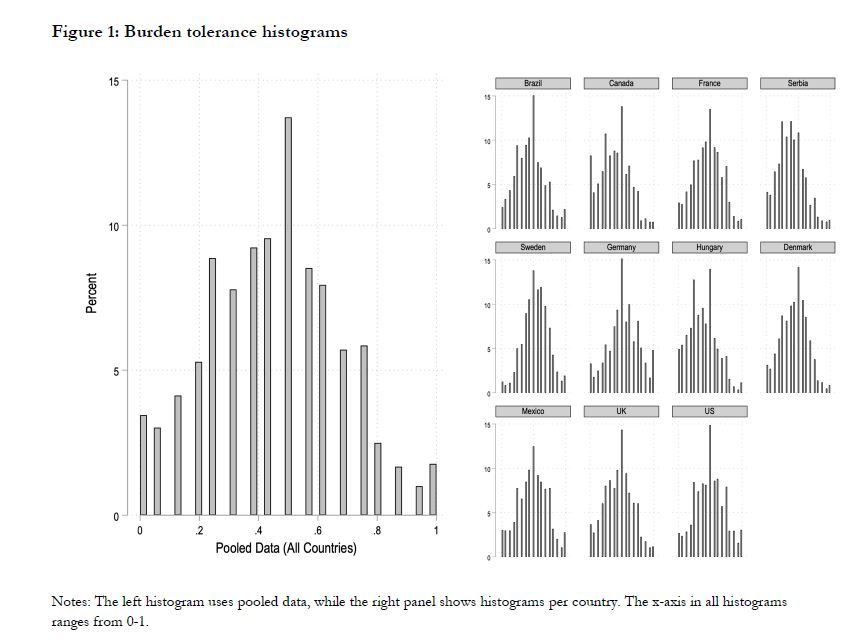
New open access article forthcoming in PAR w @askehalling @donmoyn.bsky.social. We develop a 4-item scale to measure burden tolerance – peoples’ acceptance of state actions that impose administrative burdens on citizens – using data from several countries papers.ssrn.com/sol3/papers....
05.04.2024 07:31 —
👍 11
🔁 3
💬 2
📌 0
And find that our generic scale correlates highly with the tolerance for burdens in a variety of domains. Conservative beliefs are positively related to burden tolerance (though to different degrees) regardless of domain
05.04.2024 07:28 —
👍 0
🔁 0
💬 0
📌 0
We demonstrate how to adapt the scale to specific policy areas
05.04.2024 07:26 —
👍 0
🔁 0
💬 1
📌 0
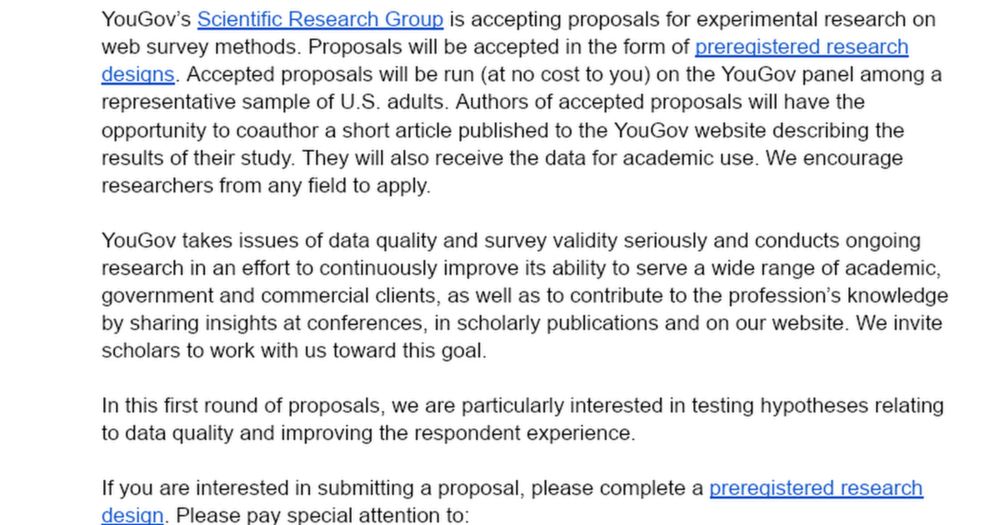
Call for proposals
Survey researchers of Blue Sky, this is a new initiative of mine, and right now the queue is wide open meaning any new submissions have a high likelihood of acceptance: docs.google.com/document/d/1...
#polisci #polisky
26.02.2024 23:58 —
👍 26
🔁 23
💬 2
📌 3
I am really, really happy to share that our (w. Martin Bækgaard) administrative burden lit. review is out
in JPART. It's #openaccess, so it is free for anyone to read. For those looking for a brief version, I will share a few key insights below
academic.oup.com/jpart/advanc...
03.10.2023 10:27 —
👍 38
🔁 11
💬 4
📌 0