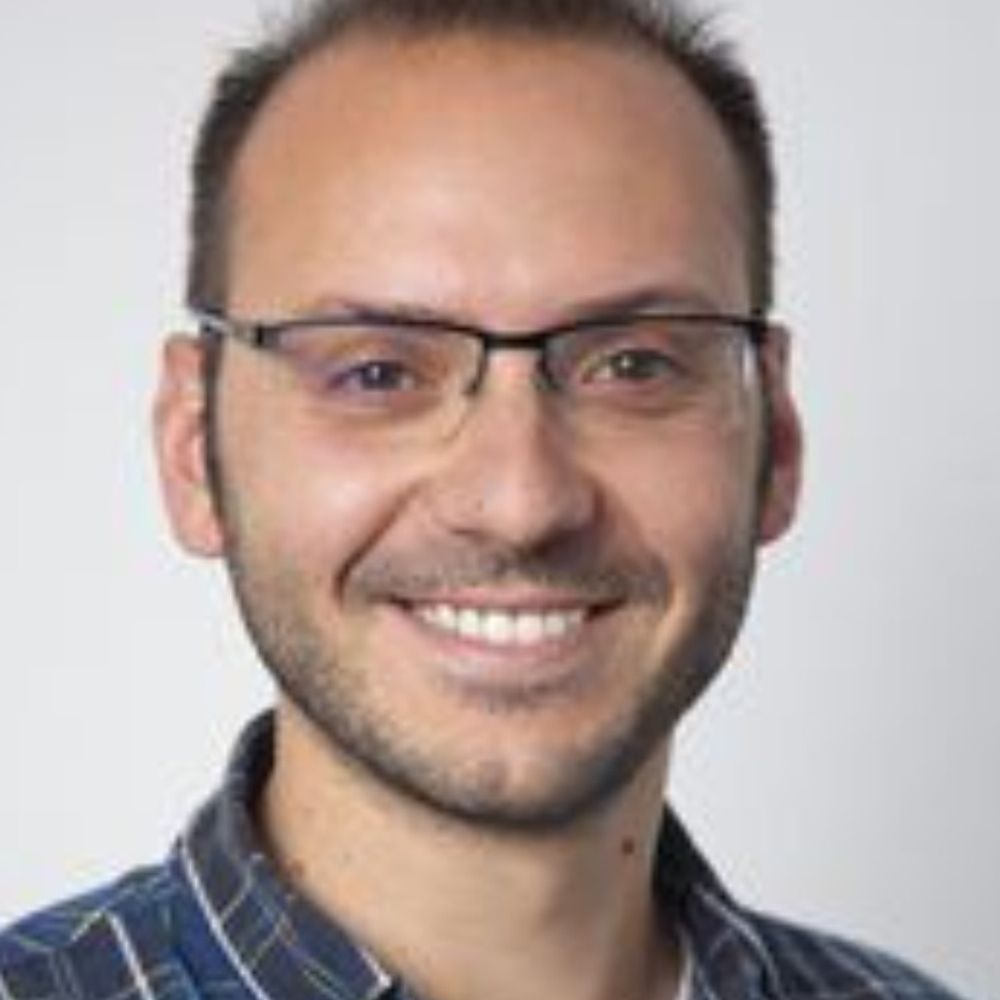
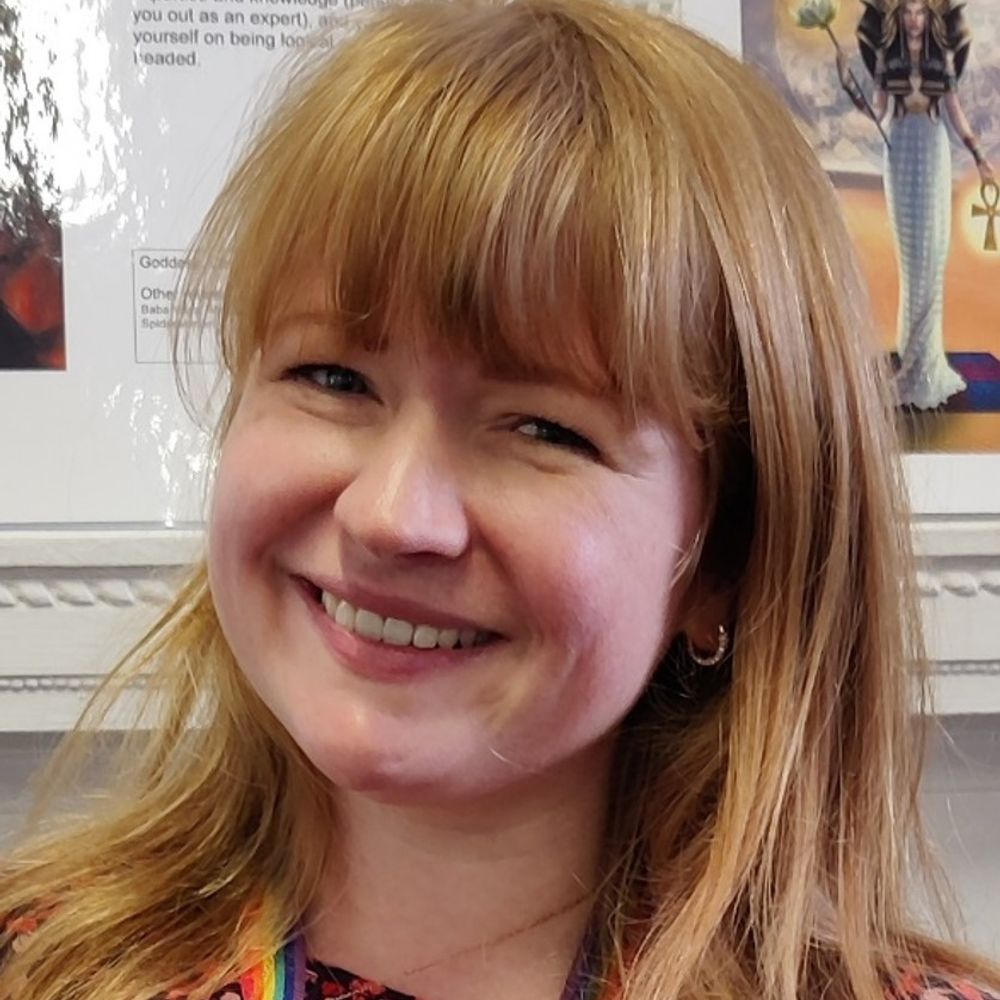
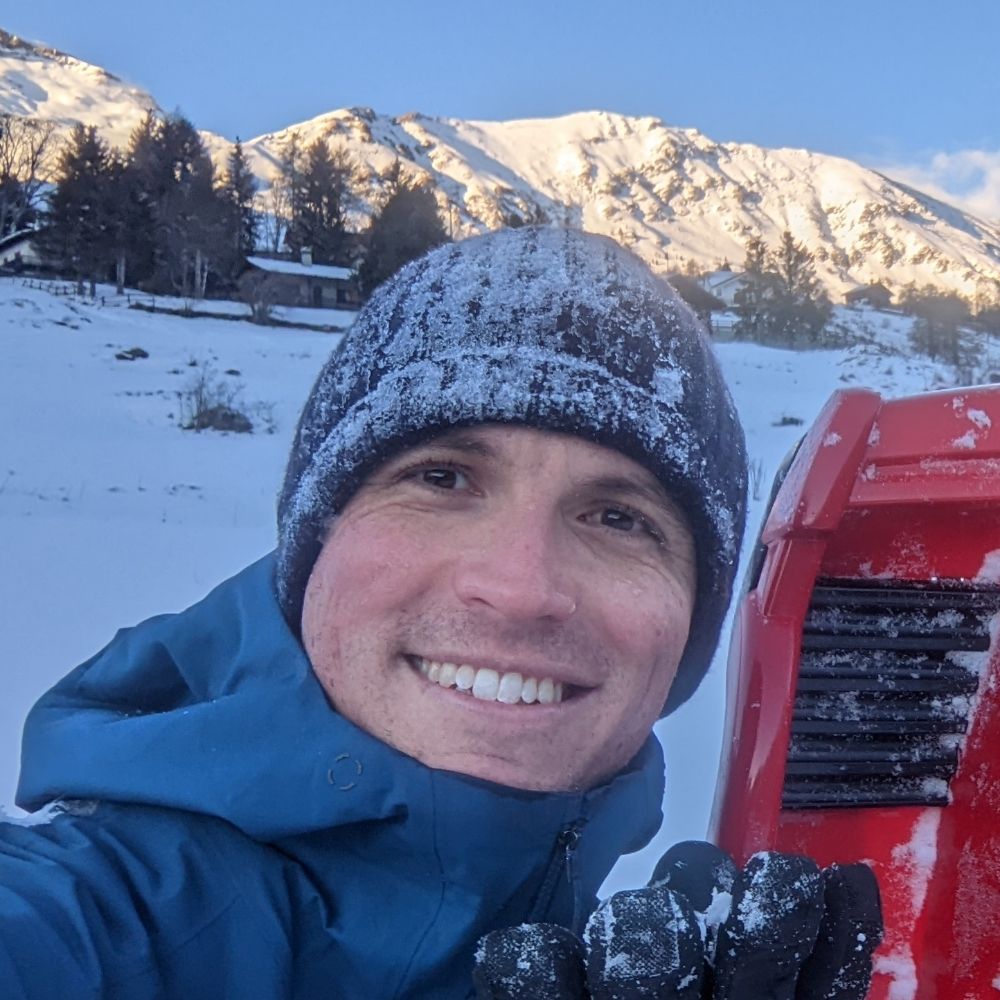
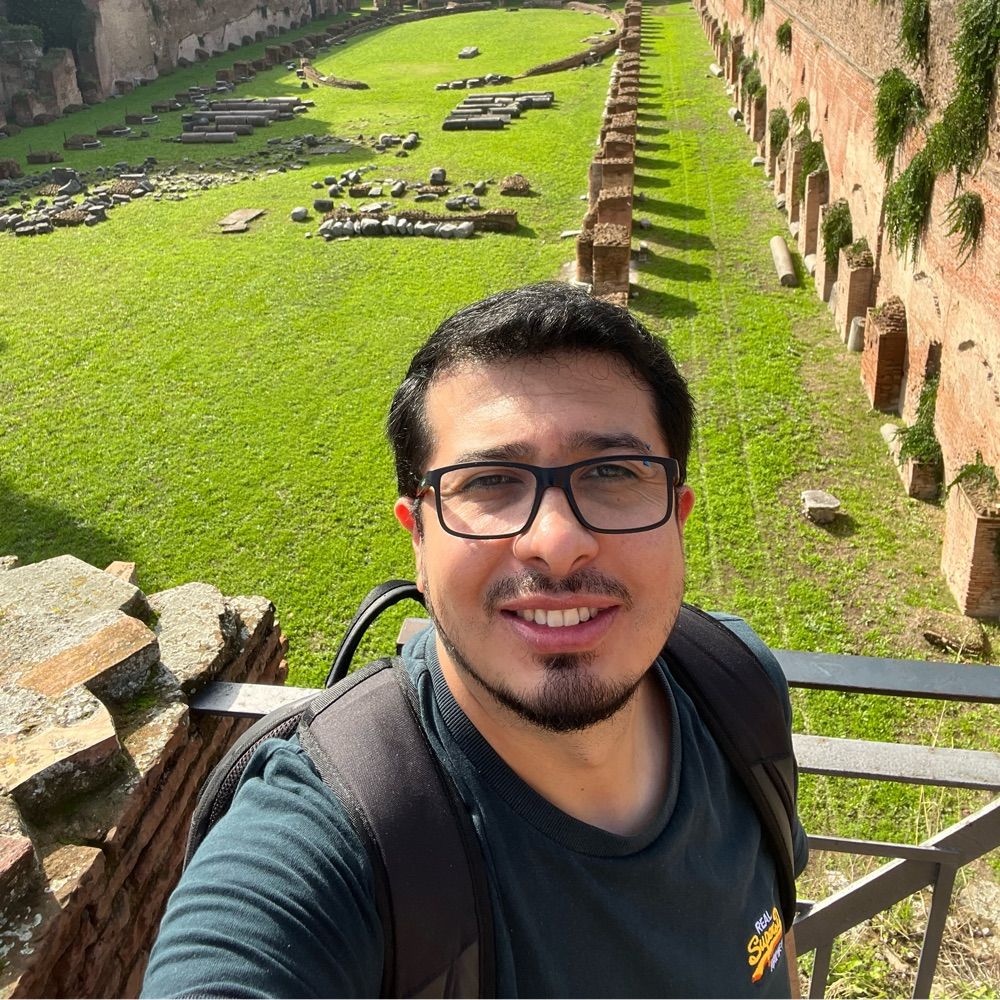
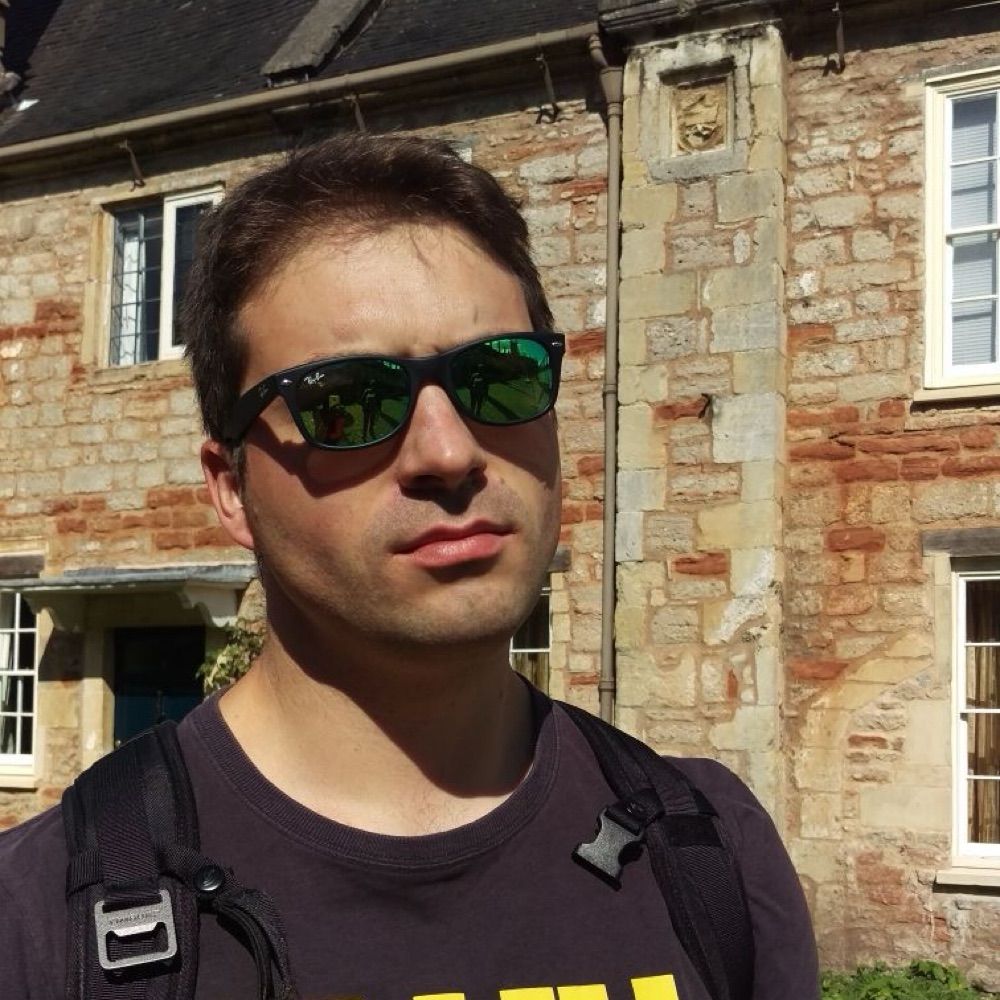
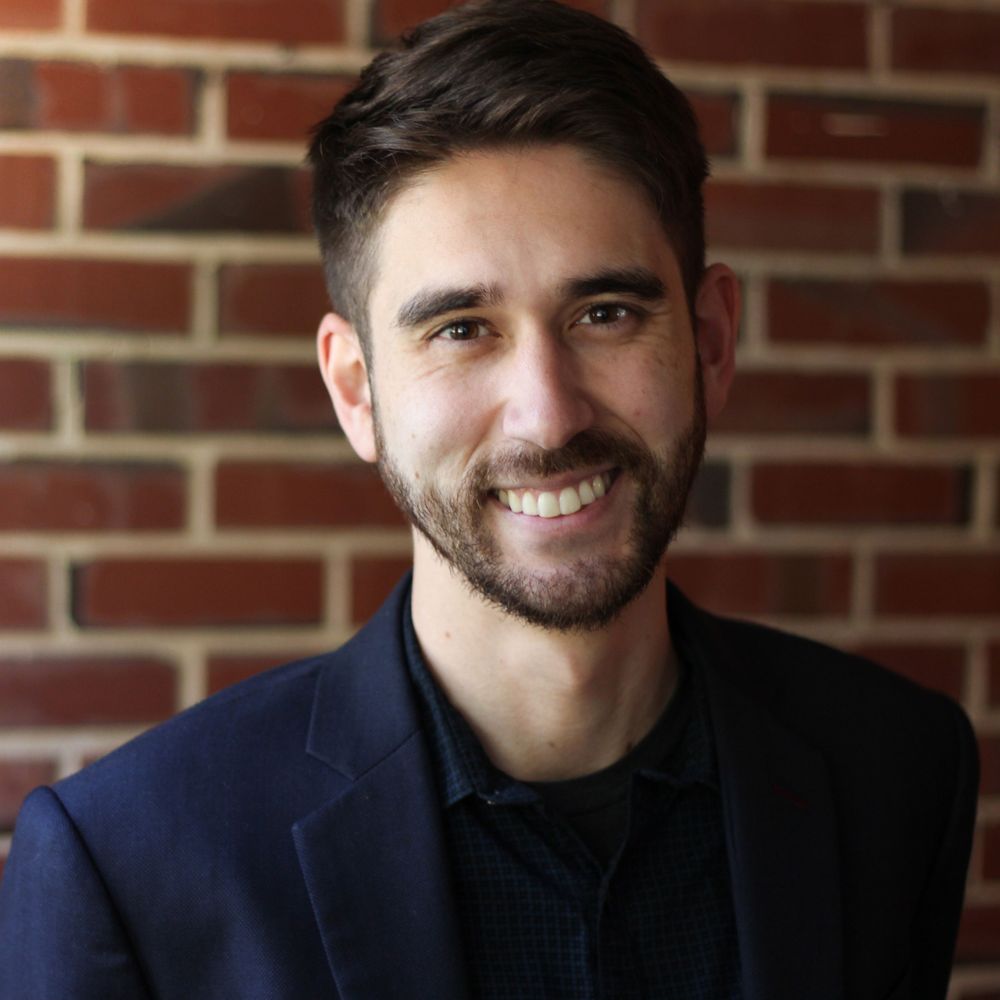
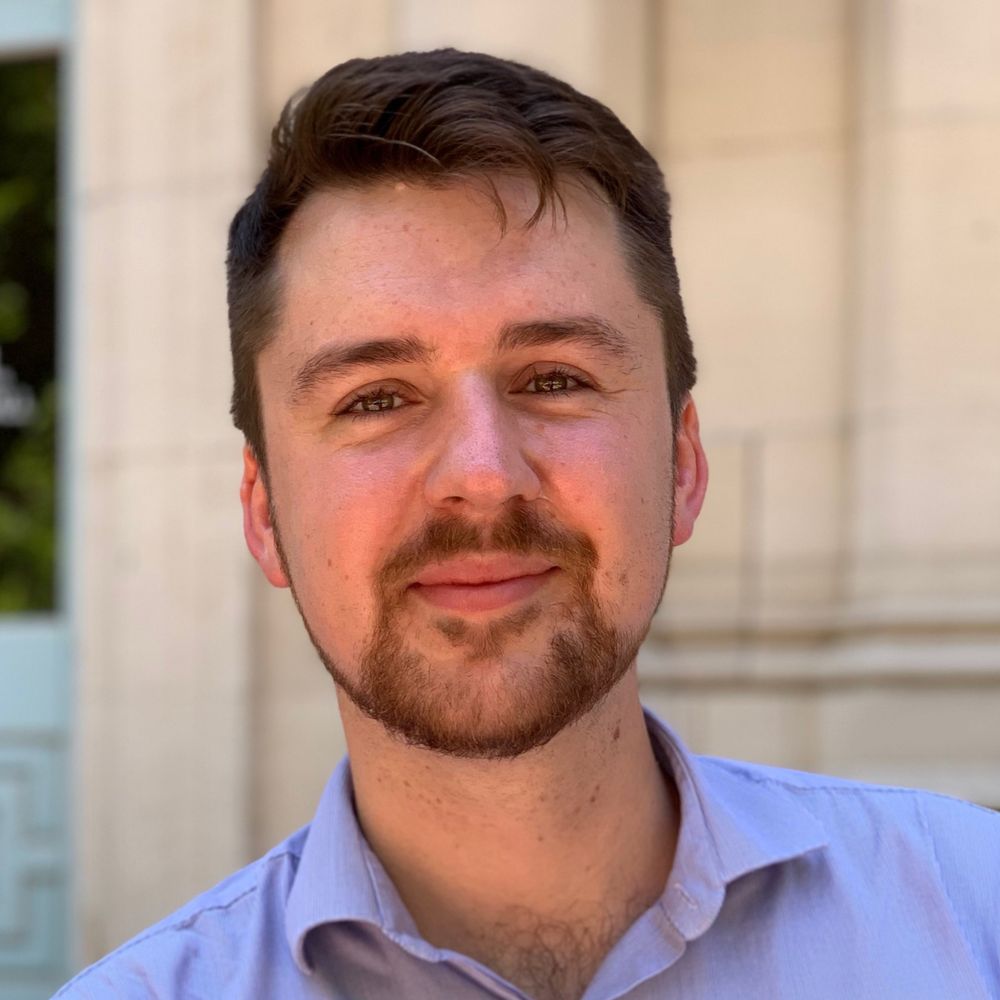
Good @thomasyoungcentre.bsky.social symposium this afternoon on the modelling of battery cathodes and solid-state electrolytes.
Thanks to Marie-Liesse, Alex and Ben for coming to London and present their work.
#chemsky #compchem
30.10.2025 18:43 — 👍 6 🔁 2 💬 0 📌 0

TYC Symposium: Batteries - THOMAS YOUNG CENTRE
Marie-Liesse Doublet, Montpelier - The Mirage of Anionic Redox for High-Energy Batteries Alexander Squires, Birmingham - Mixed-anion NaTaOxCl6-2x oxychlorides: From crystalline to amorphous networks f...
Next Thursday afternoon, 30/10, the @thomasyoungcentre.bsky.social is organising a symposium in London on modelling battery materials with as speakers Marie-Liesse Doublet (Montpellier), Alex Squires (Birmingham) and Benjamin Morgan (Bath).
24.10.2025 13:58 — 👍 3 🔁 2 💬 1 📌 1
And because the problem is full of coupled calculations, one poorly described defect might throw out your quantitative thermodynamics completely
06.10.2025 09:16 — 👍 3 🔁 0 💬 1 📌 0
I think for me, the main issue that makes it hard to implement for automation and reproducibility is handling edge cases, which are common. Even doped is far from fool-proof and requires a lot of on-the-fly application of domain knowledge to get useful results.
06.10.2025 09:13 — 👍 2 🔁 0 💬 1 📌 0
Very gracious for David to let me off the leash on this one. Kick-started an agyrodite obsession (though I may be a bit late to the party on this one)
13.03.2025 20:26 — 👍 9 🔁 4 💬 0 📌 0
@agsquires.bsky.social has just published this lovely work with wolfgang zeier! pubs.acs.org/doi/10.1021/... @uobchemistry.bsky.social
13.03.2025 20:12 — 👍 7 🔁 1 💬 0 📌 1
Seán's efforts with doped are heroic. I can only apologise for some of my commits 👀
But it's now never been easier to start charging about in chemical potential space to find out what your defects are doing!
04.02.2025 19:29 — 👍 5 🔁 1 💬 0 📌 0
Postdoc in Gryn'ova CCC group at UoB | Chemistry PhD @ Lancaster 2024 |
Computational materials chemist interested in porous materials.
Postdoc in Gryn'ova group @ UoB | UMN Chem PhD 2024 | AI and machine learning in chemistry
physicist, quasiparticle enthusiast, associate prof at University of Twente, eternally missing the Pacific ocean || having said that...
PhD researcher working on energy materials at Imperial College London
Senior Lecturer in the Chemistry Department at Imperial College London. Working on🔋
Asst. Prof. at University of Birmingham, UK & Wilhelm-Ostwald Fellow at BAM Federal Institute for Materials Research and Testing, Germany. Comp. Chem. & Mechano Chem.
Associate Professor in Nanomaterials, and Associate Editor of RSC Journal of Materials Chemistry B and Materials Advances, Mum. She/her. All views my own.
Filthy optoelectronic materials @DTU, Denmark
Computational chemist using DFT for studying solid-state materials | Postdoctoral researcher at @unidue.bsky.social | 🇪🇨 in 🇩🇪 | 🏳️🌈 he/him
Dad of 2, Prof. @ the University of Houston and National University of Singapore. Energy storage is the game 🔋🪫
Nanoscience, Printing & Electronics
Engineer @ Enova Concepts, Doctoral Candidate @ UTSA Multifunctional Electronic Materials & Devices Research Lab
Former NCSU, U. Twente, Cal Poly, FUJIFILM Dimatix, Fraunhofer IOF, Argonne Nat'l Lab, InnovationLab GmbH
Senior Research fellow at the University of Birmingham - Recycling group leader (FI ReLiB project)
Research interests include:
♻️Recycling/upcycling of Li-ion batteries
🔋Next generation materials for Li/Na-ion batteries (Cathodes)
Dad. Lecturer in Chemistry and UKRI Future Leaders Fellow at the University of Aberdeen working on energy materials. Fan of computational materials chemistry, solid-state NMR and bass guitar. Views are my own
Professor of Energy Materials at University of Birmingham. Co-lead of the Energy Materials Group. Material Scientist interested in batteries. Likes glass and silver.
Mostly science related. Occasional gardening to be feared. "Aren't you the guy who built that robot?"
York academic, chemist, gay widower, and (now) single adoptive Dad. Science, education, politics, life. Views personal. Award-winning food writer. (He/him) 🏳️🌈
Latest Cookbook: https://www.amazon.co.uk/dp/1739967038
Computational chemist, curious about the atomic-scale structure of materials & ML for chemistry. Professor of Materials Chemistry at the University of Oxford
Associate staff scientist at SLAC bombarding stuff with X-rays. Materials chemistry, electrochemistry, mostly 🔋.
Associate Professor of Chemistry with a strong interest in materials at ASU. Kooperationsprofessorin at TU Darmstadt. Birkellab.com
Mom. Goofball. Fueled by ☕️.
Enjoys lifting 💪, hiking ⛰️, running 🏃♀️, and golfing ⛳️.
I am me. Partner, friend, scientist, teacher, traveler, and more. Indiana University Chemistry. Editor-in-Chief Chemistry of Materials and ACS Materials Letters