
‘Reimagining matter’: Nobel laureate invents machine that harvests water from dry air
21.02.2026 12:04 — 👍 199 🔁 77 💬 13 📌 21
‘Reimagining matter’: Nobel laureate invents machine that harvests water from dry air
21.02.2026 12:04 — 👍 199 🔁 77 💬 13 📌 21
check out our new paper on adaptively allocating Monte Carlo samples of MOF-adsorbate configurations for efficient, multi-fidelity computational screening of MOFs for an adsorption property using molecular simulations.
pubs.acs.org/doi/full/10....
I'll see you at the AIChE conference in 2075!
23.12.2025 01:41 — 👍 2 🔁 0 💬 1 📌 0
the singular value decomposition is my favorite matrix factorization by far.
if I were to get a tattoo, it would be “A = UΣVᵀ".
cliché for a professor teaching SVD, but in my grad-level “math for chemical engineers” class, I compressed a photo of my dog using the SVD in Julia. 🐶
interesting point! beauty/simplicity/convenience => finds more applications. thinking of where I've encountered symmetric matrices: kernels (Gram matrix), adjacency matrix for an undirected graph, Hessian matrix, description of ellipse... there, the symmetry seems natural. SVD/PCA, less.
25.11.2025 02:39 — 👍 0 🔁 0 💬 0 📌 0
"it is no exaggeration to say that symmetric matrices are the most important matrices the world will ever see."
"if symmetry makes a matrix important, [the] extra property [of having all positive eigenvalues] makes it truly special."
- Gilbert Strang
thank you for the spotlight! 😀
22.11.2025 02:31 — 👍 1 🔁 0 💬 0 📌 0
a sensor array of conductive COFs, made by Prof. Kat Mirica's group at Dartmouth, can distinguish between NO, CO, NH₃, and H₂S. cool for us to contribute with PCA and k-NN. 😀
pubs.acs.org/doi/10.1021/...
it'd be a special X-mas seminar! jello molds served! j.k.
19.11.2025 18:10 — 👍 0 🔁 0 💬 0 📌 0cool! (if I remember correctly, you are from Oregon, right? if so, please reach out next time you’re back home, to visit Oregon State and give a seminar!)
19.11.2025 05:51 — 👍 1 🔁 0 💬 1 📌 0CC @rociomer.bsky.social @bessvlai.bsky.social
19.11.2025 03:21 — 👍 0 🔁 0 💬 1 📌 0
after eight years as a ChemE prof., I had a fantastic day when my PhD advisor Prof. Berend Smit visited Oregon State University! 😁
19.11.2025 03:21 — 👍 8 🔁 0 💬 2 📌 0
💦 in our latest research (with @chemashlee.bsky.social), we framed an optimization problem (a linear program) for designing bespoke mixtures of metal-organic frameworks (MOFs) for robust, passive atmospheric water harvesting.
pubs.acs.org/doi/10.1021/...

“TF is that?!” -Oslo
19.10.2025 02:41 — 👍 0 🔁 0 💬 0 📌 0
my PhD student G. Fabusola trained and tested machine learning algorithms to parse the response pattern of a conductive-MOF sensor array from K. Mirica's group!
👃 the electronic nose could detect and differentiate toxic gases and H₂S/SO₂ mixtures at ppm-levels.
pubs.acs.org/doi/10.1021/...
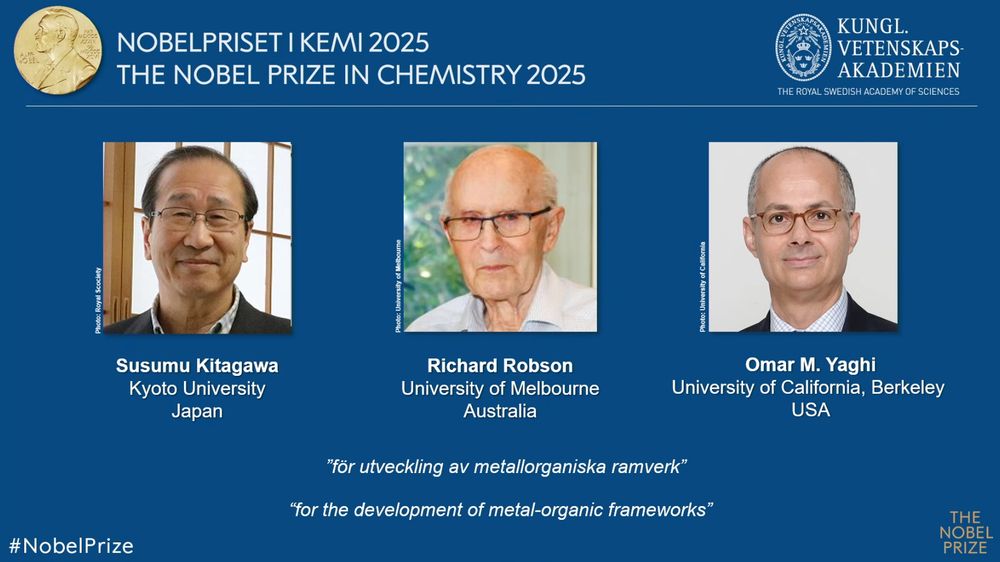
We interrupt our regular programming to announce…
08.10.2025 09:54 — 👍 80 🔁 23 💬 1 📌 3pretty cool!
26.09.2025 15:31 — 👍 0 🔁 0 💬 0 📌 0
in a “it’s a small world” moment, I ran into @bessvlai.bsky.social at Case Western Reserve University in Cleveland, OH. she was giving a seminar in the chemistry department; me, in chemical engineering. great to see you, Bess!
22.09.2025 17:35 — 👍 3 🔁 0 💬 1 📌 1
new preprint,
"adaptive allocation of Monte Carlo samples for efficient, multi-fidelity computational screening of metal-organic frameworks"
feedback welcome!
chemrxiv.org/engage/chemr...
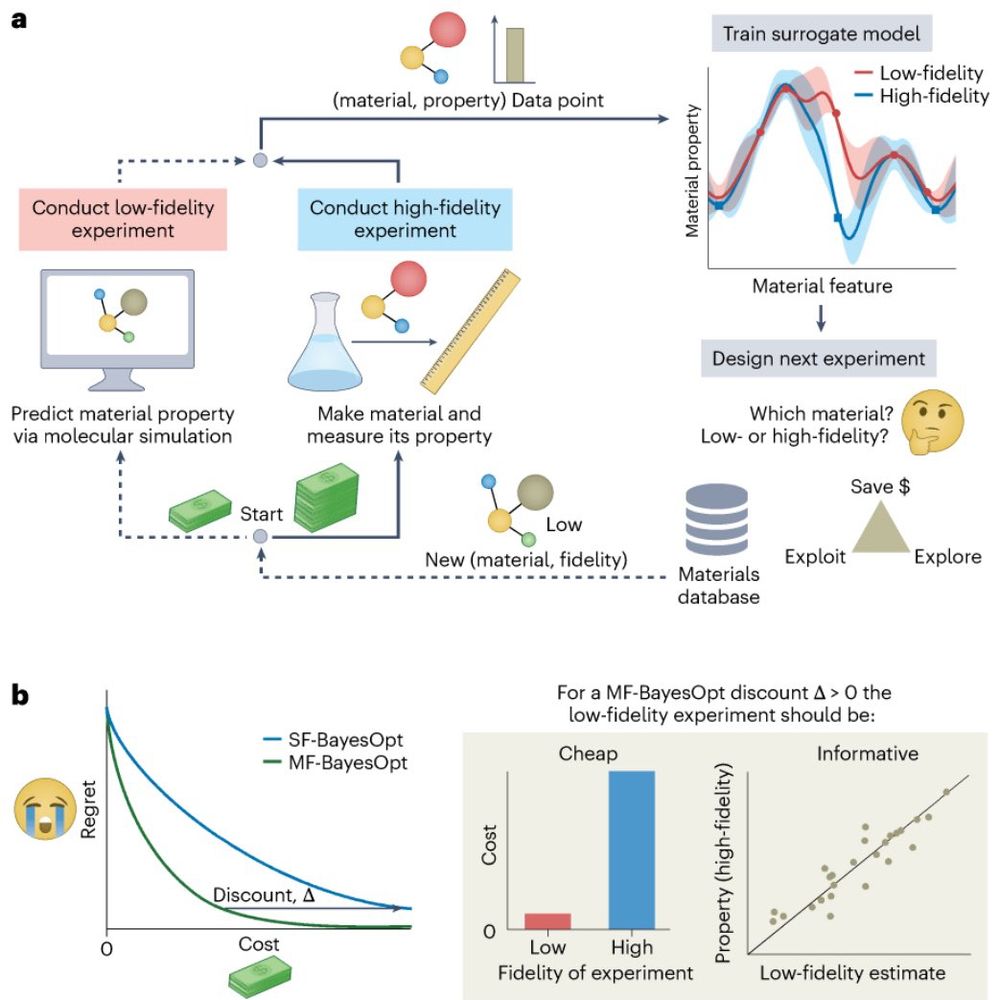
"guidelines for multi-fidelity Bayesian optimization of molecules and materials"
our News & Views article in Nature Computational Science.
rdcu.be/ext6h

My latest for @nytimes.com -- please repost so your followers can see this for free. www.nytimes.com/interactive/...
30.06.2025 10:33 — 👍 72 🔁 51 💬 2 📌 4
beavers are cool. glad our mascot is a beaver.
> The fur trade transformed North America but it nearly destroyed the population of several fur-bearers like muskrats and beavers who are critically important to their ecosystem.
🥺
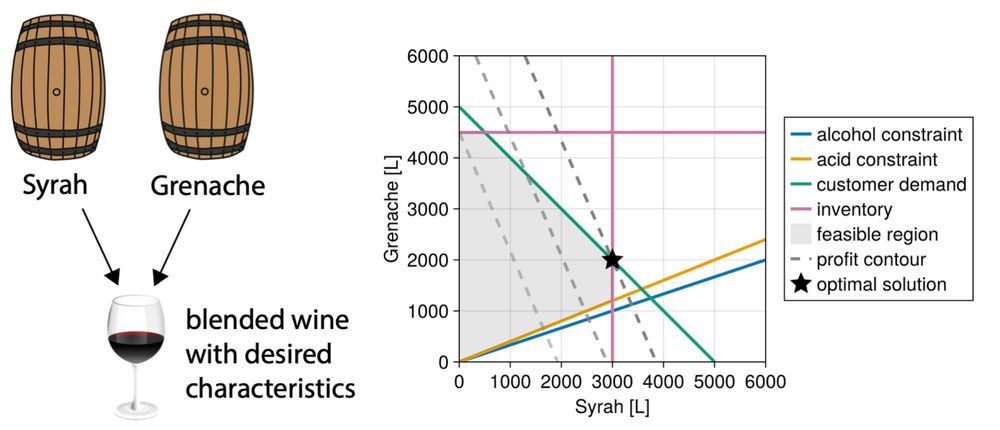
🍷solving a linear program for optimal wine blending in Julia
simonensemble.github.io/pluto_nbs/wi...
😅 yeah, I think he wanted to go on a walk!
10.05.2025 18:17 — 👍 1 🔁 0 💬 0 📌 0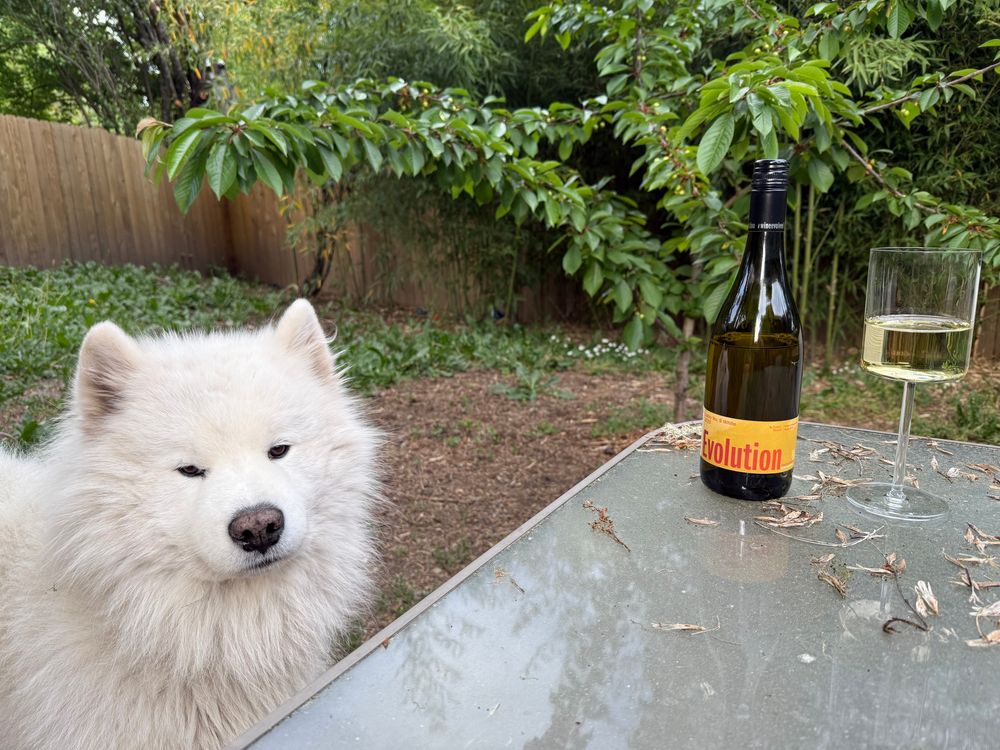
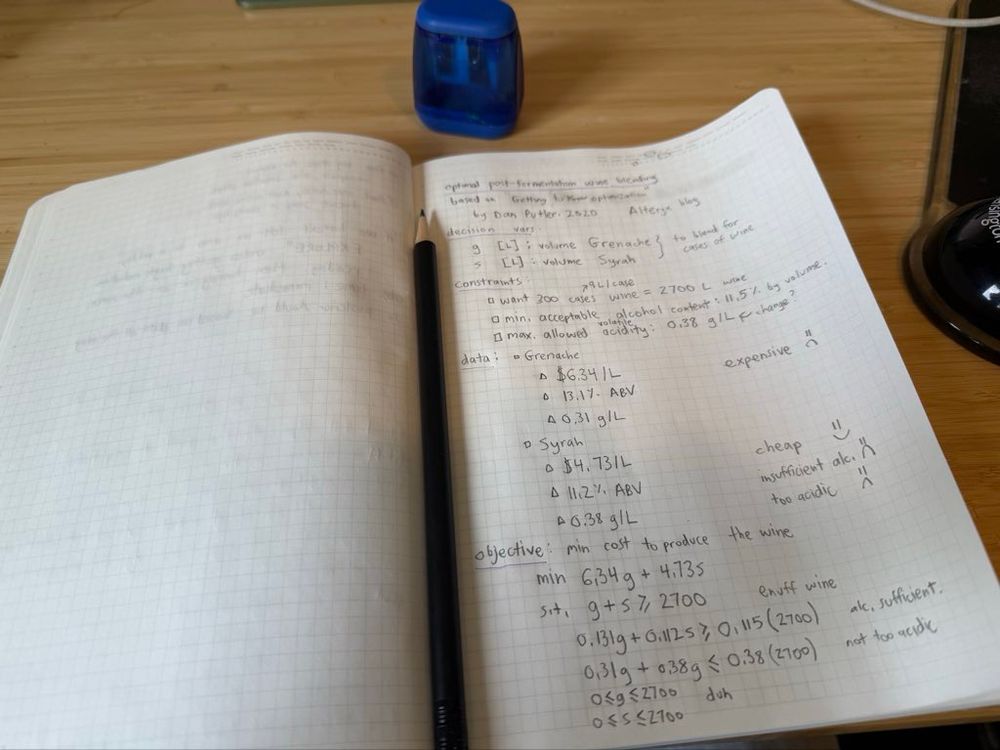
a post-fermentation blend of *nine* white wines from Oregon! and a linear program for wine blending.
10.05.2025 02:15 — 👍 5 🔁 0 💬 1 📌 0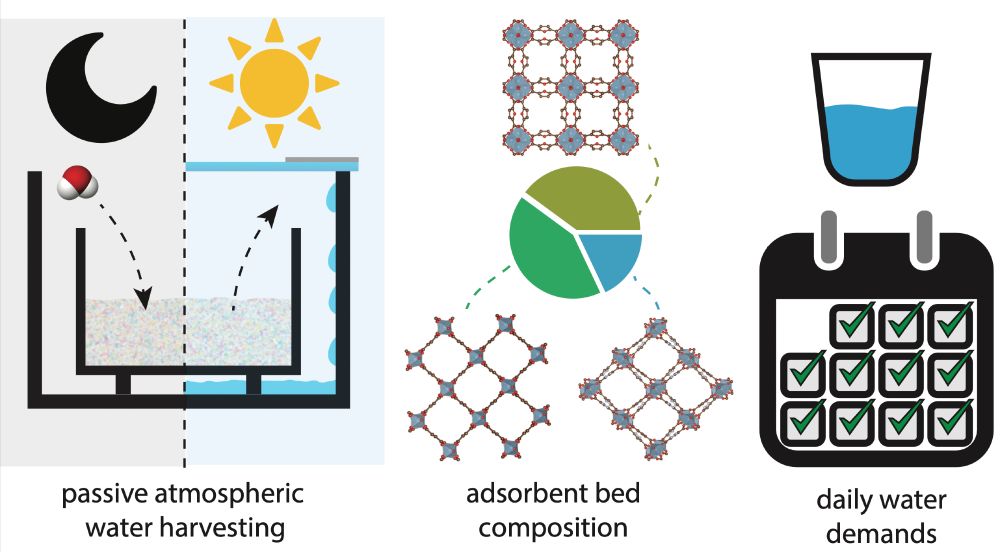
🚰 "Optimizing mixtures of metal–organic frameworks for robust and bespoke passive atmospheric water harvesting" by C. Harriman, Q. Ke, T. Vlugt, A. Howarth, C. Simon.
feedback welcome on our ChemRxiv preprint:
chemrxiv.org/engage/chemr...
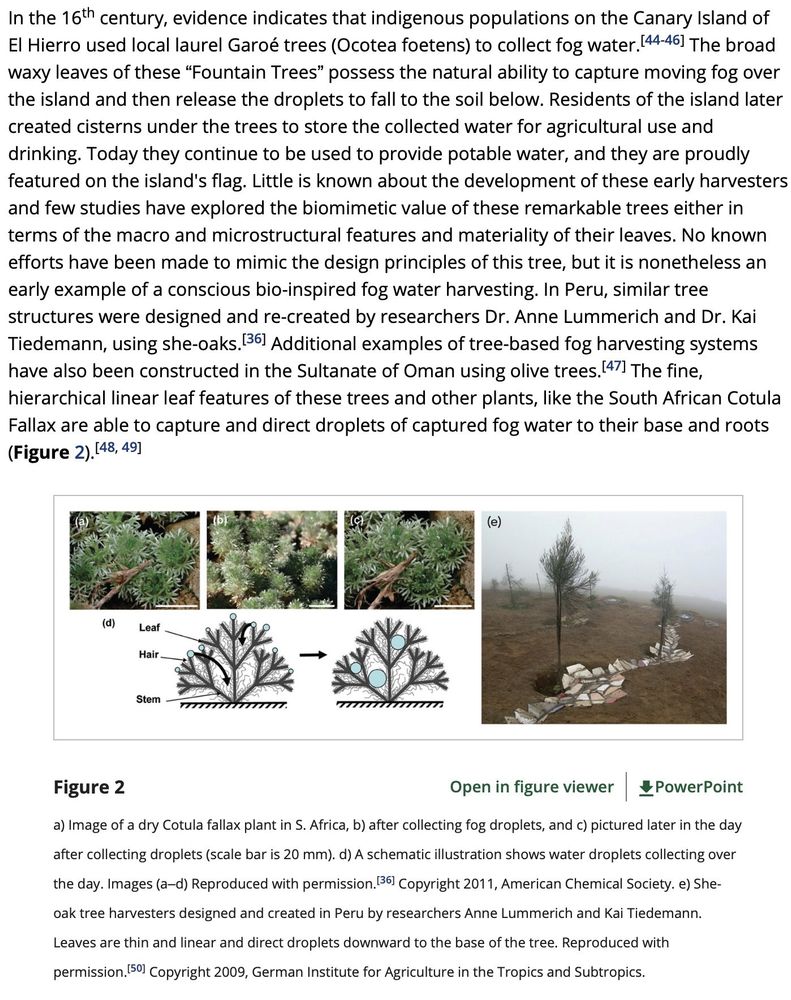
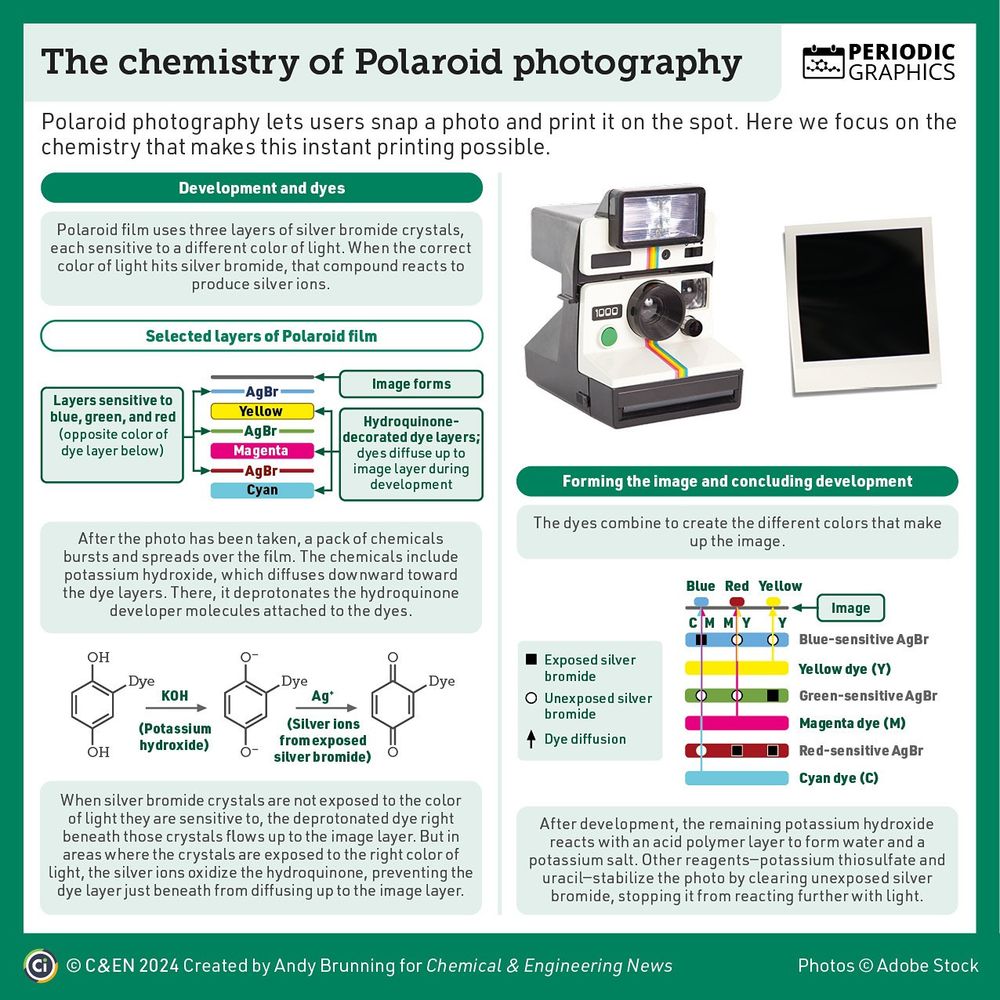
fascinating: atmospheric water harvesting by indigenous populations on the Canary Islands long ago.
Kennedy & Boreyko. “Bio‐inspired fog harvesting meshes: a review”. Advanced Functional Materials. 2023.
 13.04.2025 02:49 —
👍 10
🔁 4
💬 0
📌 0
13.04.2025 02:49 —
👍 10
🔁 4
💬 0
📌 0
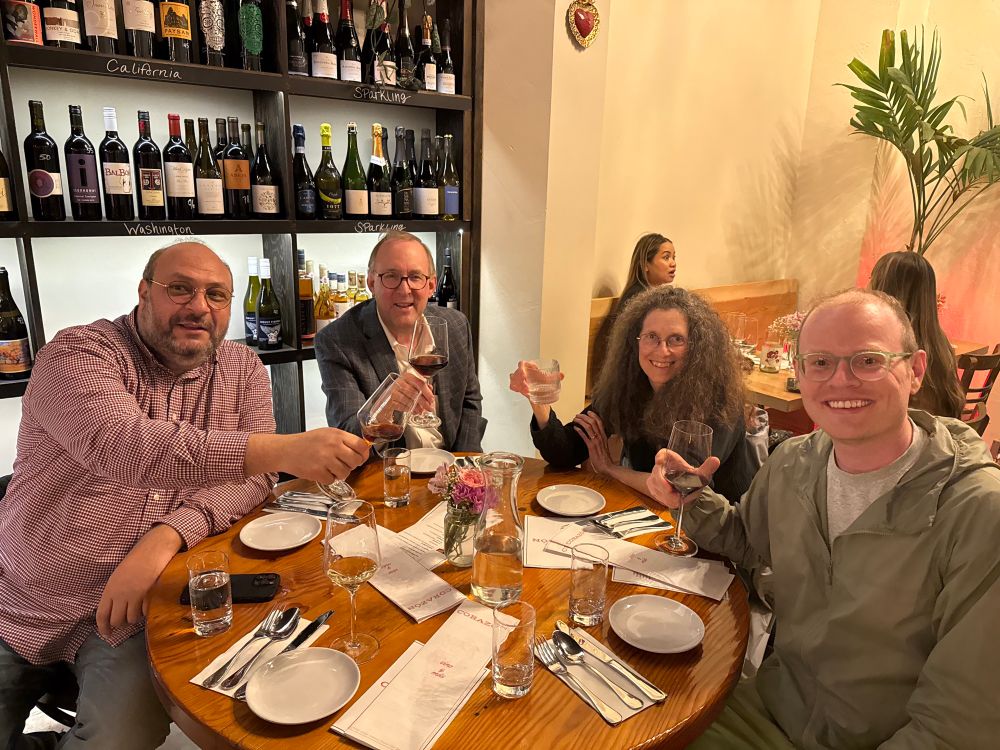
finally got to meet Mark Allendorf from Sandia National Lab! currently co-director of the DOE Hydrogen Materials – Advanced Research Consortium (HyMARC). been following his work since grad school.
12.04.2025 01:37 — 👍 20 🔁 1 💬 0 📌 0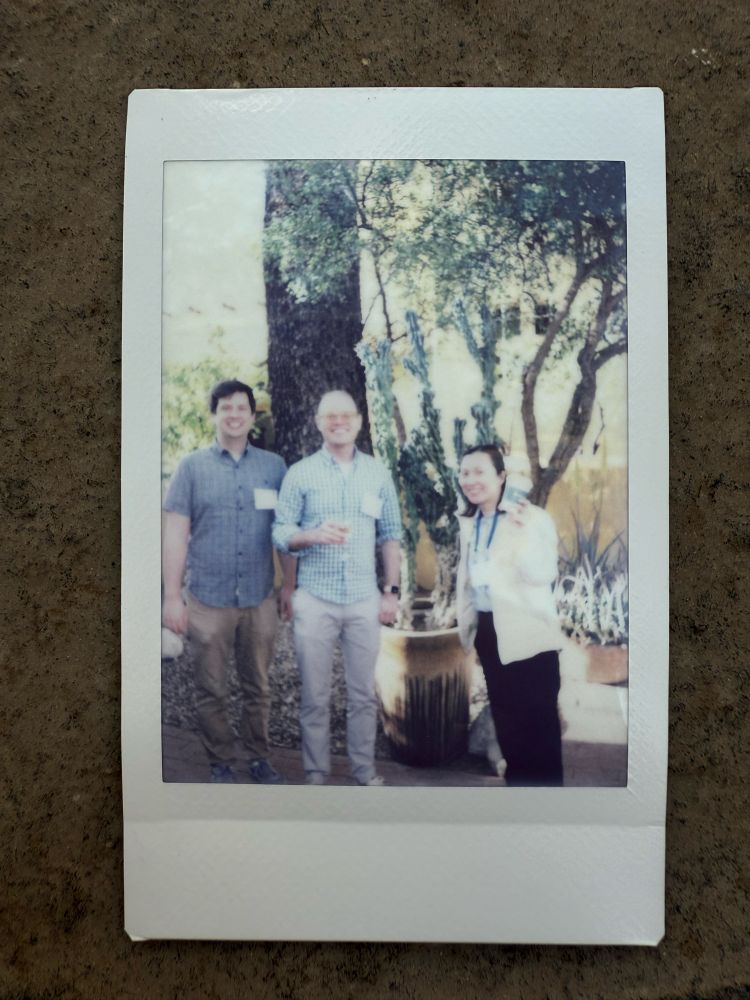
with @cgbischak.bsky.social and @shijingsun.bsky.social at the Automating Chemical Labs Scialog in Tucson! 🌵
05.04.2025 15:52 — 👍 4 🔁 0 💬 0 📌 0