Why Legalizing Bodega Cats Is the Best Thing for Animal Welfare
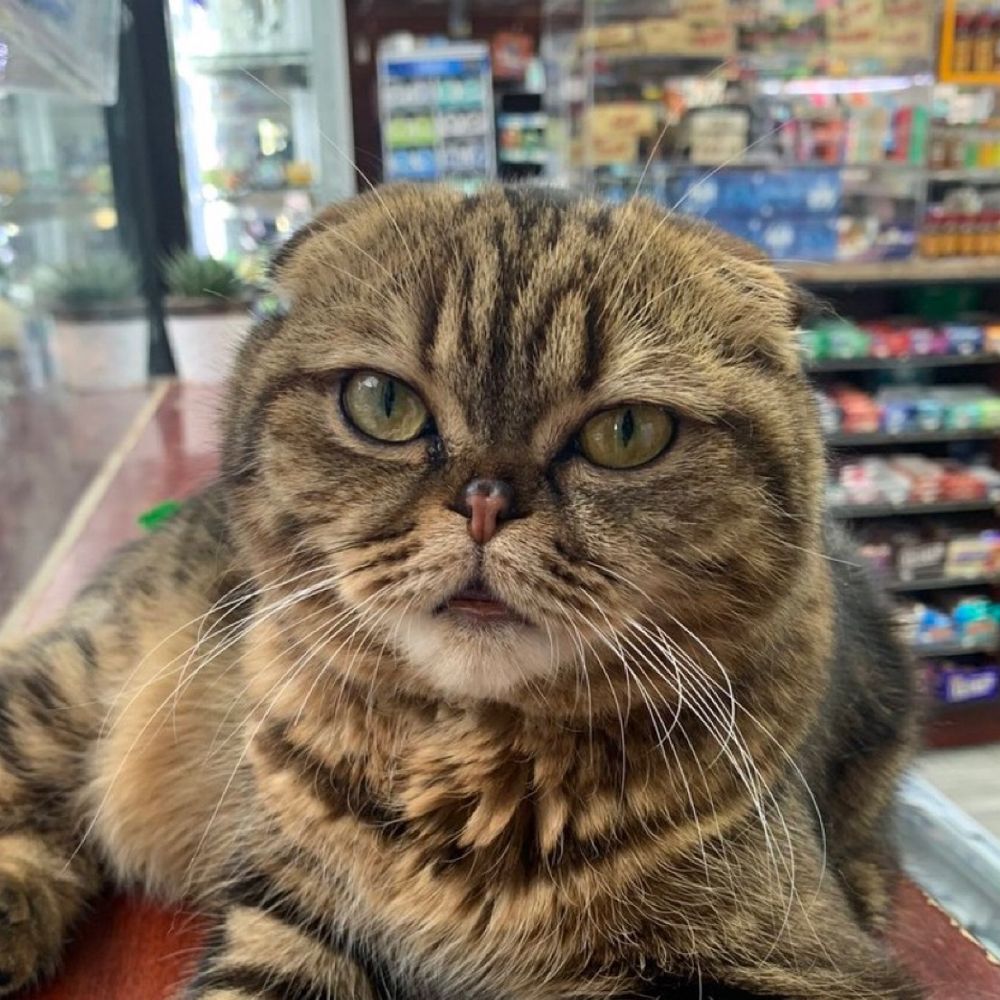
<h3>A health inspector walks into a bodega in the Bronx. There is a cat on the counter. The inspector can do exactly one thing: write a fine for $200 to $350.</h3><p>He cannot ask if the cat has been vaccinated. He cannot require that it be spayed or neutered. He cannot check whether it has food, water, or a clean place to sleep. His job is food safety, not animal welfare. Those are different agencies, different mandates, and neither one has a framework for ensuring these cats are properly cared for. The only rule on the books is that the cat should not be there at all.</p><figure><img alt="" src="https://cdn-images-1.medium.com/max/1024/1*Zx0BSsdVeOpw3D_1zvUGOA.png" /></figure><p>That is the system. The sole enforcement mechanism for the estimated 3,000 to 4,000 cats living in New York City bodegas is a fine that punishes the animal’s existence. Not its condition. Not the quality of its care. Just the fact that it is there.</p><p>Legalization is not about letting owners off the hook. It is the only way to put them on one.</p><p>Some bodega owners take excellent care of their cats. I have spent four years visiting stores in every borough, and most of what I have seen looks like that. But not all of it. Some owners do not know how to care for a cat. Some do not prioritize it. Cats get locked in basements. They go without proper food. When they get old or sick, they get ignored. I have heard enough of those stories to know they are not exaggerations.</p><p>The question is what to do about it. Right now, the answer is nothing meaningful. A cat that is not supposed to exist cannot be subject to care requirements. No agency is mandating vet visits for an animal the law says should not be in the building. And while the NYPD handles animal cruelty complaints, that requires someone to call 311, an investigation, and due process. That is a system built for extreme cases. It does not help a cat that just needs a vaccination and a checkup.</p><figure><img alt="" src="https://cdn-images-1.medium.com/max/1024/1*2jVIe49Bo608bE7iRssg7A.png" /></figure><p>Fines do not solve this. A $300 penalty does not get a cat vaccinated. It does not teach an owner what proper nutrition looks like. It does not create a pathway for a rescue organization to intervene when a cat is being neglected. The fine addresses the wrong problem.</p><p>What legalization makes possible is accountability for care. And it makes the answer to the harder question possible too: if an owner will not meet the standards, the cat gets removed. That is what we started the petition for. Not to make it easier for owners to keep cats without consequences. The opposite. To create consequences that are actually tied to the welfare of the animal.</p><figure><img alt="" src="https://cdn-images-1.medium.com/max/1024/1*aO4hLQ-LhGMoab3UOIik-Q.png" /></figure><p>Legalization is not the whole answer. It is the part of the answer that is ready. And it is the part that makes every other answer possible.</p><p>At the state level, Assembly Member Linda Rosenthal introduced A08341, which would require the Department of Agriculture and Markets to create official health and safety guidelines for cats in retail food stores. Mandatory vet visits. Spaying or neutering. Proper food and water. Designated rest areas separate from food prep. If an owner does not meet the standards, the cat can be removed through a process that actually has teeth.</p><p>At the city level, Int. 1471 would stop the city from penalizing stores simply for having a cat and establish voluntary vaccination and spay/neuter programs. The city bill is a shield. The state bill is a framework. Together, they would give New York the most comprehensive legal structure for working shop cats in the country.</p><figure><img alt="" src="https://cdn-images-1.medium.com/max/1024/1*dssQk6IcXJbOUMQAKm-XSA.jpeg" /></figure><p>Animal welfare advocates have pushed back on parts of this. Some argue that fines give rescue organizations leverage to gain access to stores. Others argue that public funding should go to low-income families seeking spay and neuter services, not to business owners. Both are fair points.</p><p>But leverage built on a threat only works if the owner engages. And the broader investment in spay/neuter access is completely compatible with legalization. The two are not in competition. One does not cancel the other.</p><p>There is also a harder reality underneath this conversation. Affordable veterinary care in New York City is already stretched past capacity. The ASPCA’s own mobile spay/neuter clinics operate on waitlists only, with capacity they describe as “extremely limited due to ongoing staffing shortages and high demand.” Low-cost options require income qualification. Animal Care Centers of NYC has stopped picking up stray cats due to funding cuts. Cat rescues alone cannot cover the gap. The infrastructure everyone agrees is needed does not exist yet, and building it will take years and serious public investment.</p><p>So the question becomes: do we wait until every piece is in place before we fix the one piece we can fix now? That logic sounds responsible. In practice, it means nothing changes. The cats that need better care today do not benefit from a comprehensive plan that might arrive in five years.</p><p>You cannot set standards for animals the law pretends are not there. You cannot hold owners accountable for care when the only rule is that the cat should not exist. You cannot enforce welfare requirements through a system that only knows how to write a fine for the animal’s presence.</p><figure><img alt="" src="https://cdn-images-1.medium.com/max/1024/1*z4uzEGX9B6ZdxO9N95-jcg.png" /></figure><p>There are thousands of cats in stores across this city. Most of them are doing fine. Some of them are not. The only way to help the ones that need it is to bring all of them into the open.</p><p>That starts with making it legal to acknowledge they are there.</p><p><a href="https://medium.com/p/024a7efe9e39/edit?utm_campaign=bcny_bio&utm_medium=linktree&utm_source=medium">Our book, <em>Bodega Cats of New York,</em> comes out October 2026.</a></p><img src="https://medium.com/_/stat?event=post.clientViewed&referrerSource=full_rss&postId=024a7efe9e39" width="1" height="1" alt="">
New post: Why Legalizing Bodega Cats Is the Best Thing for Animal Welfare
10.02.2026 19:00 — 👍 1 🔁 0 💬 0 📌 0