Recent paper from the @herdintl.bsky.social team on health system resilience in Nepal...
05.02.2026 09:56 — 👍 0 🔁 0 💬 0 📌 0

Climate change in Nepal and its impact
Nepal is the twelfth most climate-vulnerable country in the world. It is experiencing changes in both its weather patterns and extreme weather events. Impacts include:
• Weather-related disasters: Nepal is subject to heavy rainfall, floods, landslides, forest fires, cold temperature waves, thunderbolts, windstorms and epidemics. Incidents have increased from 240/year in 2015 to 2,366/year in 2024.
• Increasing impacts: of the people physically impacted by climate-induced disasters every year, 53% suffer injuries, 41.7% are killed, and 5.3% go missing.
• Food insecurity: rising temperatures and erratic rainfall disrupt agriculture, impacting on people’s livelihoods and mental health and contributing to malnutrition.
• Increased cases of infectious diseases: there is a shifting pattern of vector-borne diseases and risk of climate sensitive diseases across new geographical regions. A 1oC rise in average temperature is associated with a five-fold rise in water-borne and vector-borne disease-related morbidity and mortality.
• Increased instances of non-communicable diseases: Temperature-related morbidity and mortality are rising.
• Health system challenges: Nepal’s health system must adapt to the impacts of the climate crisis, tackling limited infrastructure and a shortage of health workers. There’s more on how we are contributing to this adaptation here.

Climate change in Zimbabwe and its impact
Zimbabwe is the 15th most vulnerable country to climate crisis (based on climate impacts 2000-19). It was ranked 2nd in the global climate risk index in 2021, largely because of floods, high temperatures and variable rainfall and droughts. Temperatures in Zimbabwe are rising at twice the global rate, with more frequent heatwaves of unprecedented intensity. Zimbabwe is experiencing:
• Rising temperatures and heatwaves: contributing to heat-related illnesses including heat exhaustion and heatstroke
• Less rainfall: the country has seen a 5% decrease in rainfall since 1915, with increased frequency and longer dry spells during the rainy season. It is estimated that there will be a 21% increase in incidence of severe drought between 2040 and 2059.
• Food insecurity: drought has severe negative impacts on agricultural productivity and food security. In the 2019/20 season, 5.5 million rural and 2.2 million urban Zimbabweans were estimated to be food insecure.
• Increased burden of infectious diseases such as cholera, malaria and diarrhoea.
• Increased instances of non-communicable diseases including respiratory illness, malnutrition, and maternal and newborn complications.
• Health system challenges: Zimbabwe faces serious shortages of health staff and resources. How we are helping the health system adapt is covered here.
REACT is working in #Nepal & #Zimbabwe to strengthen the responsiveness of the health workforce against health impacts of climate crisis. But why those settings? Find out below...
More on REACT here www.lstmed.ac.uk/react
@herdintl.bsky.social @ceshhar.bsky.social @lstmnews.bsky.social
08.12.2025 08:54 — 👍 4 🔁 2 💬 0 📌 0

How is REACT working to strengthen the responsiveness of the health workforce against health impacts of climate crisis? Find out more below...
📨 mailchi.mp/48f296a290dd...
LinkedIn www.linkedin.com/in/react-con...
Blue Sky bsky.app/profile/reac...
X x.com/REACTconsort...
05.01.2026 09:12 — 👍 1 🔁 1 💬 0 📌 1


Following successful completion of training at Ghorahi Sub-Metropolitan City and Chandannath Rural Municipality, HERD International has mobilized #enumerators to conduct quantitative an qualitative data collection as part of the #BaselineSurvey in both study sites.
02.02.2026 09:08 — 👍 0 🔁 0 💬 0 📌 0
What is REACT?
How is the climate crisis impacting on the health of people in our study sites of #Nepal & #Zimbabwe?
How will we help health workers address these challenges?
Watch our video
www.lstmed.ac.uk/react (full version)
@herdintl.bsky.social @ceshhar.bsky.social @lstmnews.bsky.social
03.12.2025 08:31 — 👍 1 🔁 3 💬 0 📌 0
How is the climate crisis impacting on the health of people in our study sites of #Nepal & #Zimbabwe?
How can REACT help support climate resilience in those regions?
Find out in our video.
www.lstmed.ac.uk/react (full version)
@herdintl.bsky.social @ceshhar.bsky.social @lstmnews.bsky.social
03.12.2025 11:14 — 👍 0 🔁 1 💬 0 📌 0
Draws on work looking at health system resilience to climate change in several contexts including Nepal...
05.01.2026 13:16 — 👍 0 🔁 0 💬 0 📌 0
How is REACT working to strengthen the responsiveness of the health workforce against health impacts of climate crisis? Find out more below...
📨 mailchi.mp/48f296a290dd...
LinkedIn www.linkedin.com/in/react-con...
Blue Sky bsky.app/profile/reac...
X x.com/REACTconsort...
05.01.2026 09:12 — 👍 1 🔁 1 💬 0 📌 1

REACT logo and the words 'strengthen the responsiveness of the health workforce against health impacts of climate crisis in Nepal and Zimbabwe.'
Stay up to date with the progress of REACT Consortium's health worker co-developed, climate health interventions in #Nepal and #Zimbabwe.
📩 mailchi.mp/48f296a290dd...
LinkedIn www.linkedin.com/in/react-con...
Facebook www.facebook.com/profile.php?...
X x.com/REACTconsort...
08.12.2025 14:57 — 👍 2 🔁 2 💬 0 📌 0
Climate change in Nepal and its impact
Nepal is the twelfth most climate-vulnerable country in the world. It is experiencing changes in both its weather patterns and extreme weather events. Impacts include:
• Weather-related disasters: Nepal is subject to heavy rainfall, floods, landslides, forest fires, cold temperature waves, thunderbolts, windstorms and epidemics. Incidents have increased from 240/year in 2015 to 2,366/year in 2024.
• Increasing impacts: of the people physically impacted by climate-induced disasters every year, 53% suffer injuries, 41.7% are killed, and 5.3% go missing.
• Food insecurity: rising temperatures and erratic rainfall disrupt agriculture, impacting on people’s livelihoods and mental health and contributing to malnutrition.
• Increased cases of infectious diseases: there is a shifting pattern of vector-borne diseases and risk of climate sensitive diseases across new geographical regions. A 1oC rise in average temperature is associated with a five-fold rise in water-borne and vector-borne disease-related morbidity and mortality.
• Increased instances of non-communicable diseases: Temperature-related morbidity and mortality are rising.
• Health system challenges: Nepal’s health system must adapt to the impacts of the climate crisis, tackling limited infrastructure and a shortage of health workers. There’s more on how we are contributing to this adaptation here.
Climate change in Zimbabwe and its impact
Zimbabwe is the 15th most vulnerable country to climate crisis (based on climate impacts 2000-19). It was ranked 2nd in the global climate risk index in 2021, largely because of floods, high temperatures and variable rainfall and droughts. Temperatures in Zimbabwe are rising at twice the global rate, with more frequent heatwaves of unprecedented intensity. Zimbabwe is experiencing:
• Rising temperatures and heatwaves: contributing to heat-related illnesses including heat exhaustion and heatstroke
• Less rainfall: the country has seen a 5% decrease in rainfall since 1915, with increased frequency and longer dry spells during the rainy season. It is estimated that there will be a 21% increase in incidence of severe drought between 2040 and 2059.
• Food insecurity: drought has severe negative impacts on agricultural productivity and food security. In the 2019/20 season, 5.5 million rural and 2.2 million urban Zimbabweans were estimated to be food insecure.
• Increased burden of infectious diseases such as cholera, malaria and diarrhoea.
• Increased instances of non-communicable diseases including respiratory illness, malnutrition, and maternal and newborn complications.
• Health system challenges: Zimbabwe faces serious shortages of health staff and resources. How we are helping the health system adapt is covered here.
REACT is working in #Nepal & #Zimbabwe to strengthen the responsiveness of the health workforce against health impacts of climate crisis. But why those settings? Find out below...
More on REACT here www.lstmed.ac.uk/react
@herdintl.bsky.social @ceshhar.bsky.social @lstmnews.bsky.social
08.12.2025 08:54 — 👍 4 🔁 2 💬 0 📌 0
How is the climate crisis impacting on the health of people in our study sites of #Nepal & #Zimbabwe?
How can REACT help support climate resilience in those regions?
Find out in our video.
www.lstmed.ac.uk/react (full version)
@herdintl.bsky.social @ceshhar.bsky.social @lstmnews.bsky.social
03.12.2025 11:14 — 👍 0 🔁 1 💬 0 📌 0
What is REACT?
How is the climate crisis impacting on the health of people in our study sites of #Nepal & #Zimbabwe?
How will we help health workers address these challenges?
Watch our video
www.lstmed.ac.uk/react (full version)
@herdintl.bsky.social @ceshhar.bsky.social @lstmnews.bsky.social
03.12.2025 08:31 — 👍 1 🔁 3 💬 0 📌 0

Title of the webinar plus a photo of 3 female community health volunteers in Nepal - all wearing blue and red saris
Did you miss our webinar with @cpintl.org - Gender transformative programming: Community health workers as agents of social change?
If so, watch it here: buff.ly/qzR2YuA
@chwcentral.bsky.social
@joinchic.bsky.social
25.11.2025 06:00 — 👍 3 🔁 2 💬 0 📌 0

A large 'C' with colours suggesting increasing temperatures and and the words 'Introducing REACT, resilient and equitable health workforce to address climate threats'
Introducing REACT - a health research consortium working to strengthen the responsiveness of the health workforce against health impacts of climate crisis in #Nepal & #Zimbabwe.
More here: lstmed.ac.uk/react
@herdintl.bsky.social
@ceshhar.bsky.social
@lstmnews.bsky.social
@nihr.bsky.social
01.12.2025 07:59 — 👍 1 🔁 2 💬 0 📌 0

The expert review of the First Order Draft of the Special Report on Climate Change and Cities is now open from 17 Oct - 12 Dec 2025.
Experts who wish to participate in the review can register until midnight CET on November 30, 2025.
Find out more 🔗 www.ipcc.ch/2025/09/17/p...
20.11.2025 11:11 — 👍 17 🔁 14 💬 0 📌 1

New article: From fragile to agile: how South Asia can build agile health systems for the next crisis
Shaswat Acharya of @opmglobal.bsky.social assesses health system resilience in South Asia & presents 5 steps to benefit the region.
www.rebuildconsortium.com/south-asia-a...
20.11.2025 12:01 — 👍 2 🔁 1 💬 0 📌 0

Event: How to talk to your family & friends about climate change
Join Dr @drdaniellawatson.bsky.social at @climatecares.bsky.social for this hybrid event on how to approach conversations about the climate crisis with empathy, clarity and confidence.
📅2 Dec
⏰2-3pm
ow.ly/LvkK50XuzRj
20.11.2025 11:00 — 👍 4 🔁 2 💬 0 📌 0


💰 The latest evidence published in the 2025 Global Report of the Lancet Countdown shows a persistent over-reliance on fossil fuels is straining national budgets.
⏩ Visit lancetcountdown.org to learn more.
#LancetClimate25
08.11.2025 08:00 — 👍 3 🔁 3 💬 1 📌 1


🛢️ As of March 2025, oil and gas giants’ planned production would result in emissions almost three times the amount compatible with keeping global warming to 1.5°C in 2040. Meanwhile, climate change is already undermining health and livelihoods.
🖱️ Visit lancetcountdown.org to learn more.
10.11.2025 09:00 — 👍 2 🔁 2 💬 0 📌 1

We're hiring! Interested candidates can scan the QR code below or visit herdint.com/vacancy/vaca... to apply by November 16.
05.11.2025 09:55 — 👍 0 🔁 1 💬 0 📌 0

2025 CHW Symposium registration open.
The 4th International CHW Symposium is happening online this November 12–14, 2025.
Registration is now open!
💻 Virtual via Zoom Events
🕗 08:00–19:30 ICT | 08:00–16:30 EST
🔗 Register here: www.eventpop.me/e/113904/chw...
20.10.2025 06:48 — 👍 2 🔁 2 💬 0 📌 0

Screengrab of the top of the newsletter showing its title and the welcome address
📰Our colleagues at Health Systems Global's Thematic Working Group on Health Systems in Fragile and Conflict-Affected Settings have just published their October 2025 newsletter.
Read it here: mailchi.mp/a1a64fd7e039...
13.10.2025 16:59 — 👍 1 🔁 1 💬 0 📌 0

Shanty houses overlooking water. Surrounded by palm trees and large amounts of rubbish and the words ‘Urban Echoes: Intersections of health, gender, climate change and resilience in urban slums in Bangladesh’
Current study: Urban Echoes: Intersections of health, gender, climate change and resilience in urban slums in Bangladesh
Analysis of coping, adaptation & resilience strategies of climate migrants using gender & intersectionality lens
bit.ly/43j6i3s
With @lstmnews.bsky.social @pamoja.bsky.social
13.09.2025 06:00 — 👍 1 🔁 2 💬 0 📌 0
Very pleased to report that REACT has selected two new PhD candidates who will be working with the @herdintl.bsky.social team in #Nepal.
@shophika.bsky.social and Dr. Ashish Shrestha will focus on the intersection of climate change and health systems - details to follow.
19.08.2025 14:55 — 👍 2 🔁 0 💬 0 📌 0

Call for abstracts is open for the 4th International CHW Symposium.
Whether it is real stories, lived experiences or grounded research, share what you know!
🟠 Posters, talks, workshops, panels; all are welcome.
Submission Deadline: Aug 31 2025
Submit here🔗 chwsymposium.org/call-for-abs...
28.07.2025 15:53 — 👍 1 🔁 1 💬 0 📌 0

Have you accessed the new Learning Hub on CHW Central?
It is a fresh space created for CHWs, by CHWs.
Free, bilingual, and full of helpful stuff.
Take a look: chwcentral.org/learning-hub/
29.07.2025 19:25 — 👍 2 🔁 1 💬 0 📌 0

Photo of two Nepalese people and the words HERD International PODCAST - health systems and resilience
🎙️@herdintl.bsky.social has launched a new podcast series! Episode 1 – Health Systems and Resilience – features ReBUILD’s @shophika.bsky.social who chats about #Nepal's health system & what a strong, resilient health system looks like.
▶️http://bit.ly/40t30Ky
22.07.2025 08:20 — 👍 0 🔁 1 💬 0 📌 0
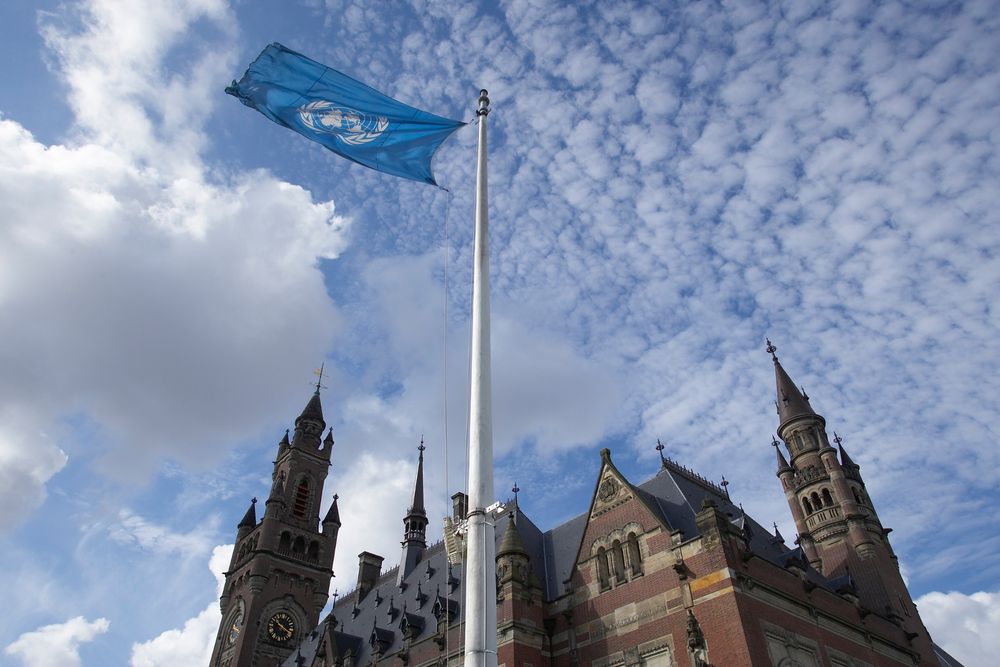
The Climate Crisis is a Health Crisis - International Court of Justice Ruling Reaction from Health Community
The International Court of Justice has delivered a historic affirmation: the climate crisis is a health crisis—and failure to act is a failure to protect life."
⚡️Historic! International Court of Justice rules:
👉Climate crisis = health crisis
👉Failure to act = failure to protect life.
"Health workers & advocates now have powerful legal backing to demand bold climate action rooted in justice.” said @jenimiller.bsky.social
➕ bit.ly/3GZDdCY
#ClimateICJAO
23.07.2025 16:45 — 👍 10 🔁 9 💬 0 📌 2
The Good, Bad, and Ugly. +Rants
Applied Social Care Researcher at The University of Leeds, UK.
Place Alert Labs (PALs) at Midlands State University uses geographical intelligence & location-based methods to inform decision making, combining spatial & contextual analysis.
The Research Coordinating Center for Climate and Health
Based at the Boston University School of Public Health and Harvard T.H. Chan School of Public Health
OTUS Project President. Millersville Meteorology 2026. Writer at Tornado Talk, NIST SURF 2024.
K4DD supports the Foreign, Commonwealth and Development Office and other UK Gov. departments with learning and evidence to improve the impact of development and diplomacy policy and programmes.
https://k4dd.ids.ac.uk/
IDS is a leading institute on international development providing research and knowledge for equitable and sustainable societies. Follow us to know about our research, partnerships, and learning.
Website: https://www.ids.ac.uk/
We are a research and development organization dedicated to generating evidence and informing policy. Our mission involves empowering individuals and communities through collaborative efforts with policy practitioners, researchers, and stakeholders.
Working with Government & #Zimbabwe to advance #GlobalGoals & #LeaveNoOneBehind.
Resident Representative - @AyodeleOdusola
Visit http://undp.org/zimbabwe for more
Professor in global health equity, urban health, social justice, participatory & qualitative research climate crisis, intersectional feminist & anti-racist, disabled. She/her. All opinions my own and reposts do not constitute endorsement.
Hydrology • Remote Sensing • Mountains • Climate Justice • SDGs • Climate Change • Himalayas • Migration • WebGIS • Water Accounting
https://bio.link/praveenkalura
Indian Institute of Technology Roorkee
National Institute of Hydrology Roorkee
India
Hosted partnership @WHO.int
A feminist global advocacy org for #GenderJustice, #EnvironmentalJustice and #ClimateJustice 🌱
https://wedo.org/