Parental involvement in paediatric patient safety incidents in general practice: a cross-sectional study | British Journal of General Practice
Parents both contribute to and prevent paediatric patient safety incidents in #GeneralPractice, mostly averting harms through mitigatory actions and advocacy efforts doi.org/10.3399/BJGP... @t-purchase-gp.bsky.social @joymcfadzean.bsky.social @carsonstevens.bsky.social @dpmcardiffuni.bsky.social
15.08.2025 06:30 — 👍 4 🔁 2 💬 1 📌 0
Have you, or someone you care for, had an ambulance attend and you stayed at home instead of going to hospital?
Sam is carrying out a PhD study on how safe this is, and your experience could really help. Healthcare professionals with experience of non-conveyance please take part too.
Thank you 🙏🏼
14.11.2025 10:40 — 👍 2 🔁 0 💬 1 📌 0
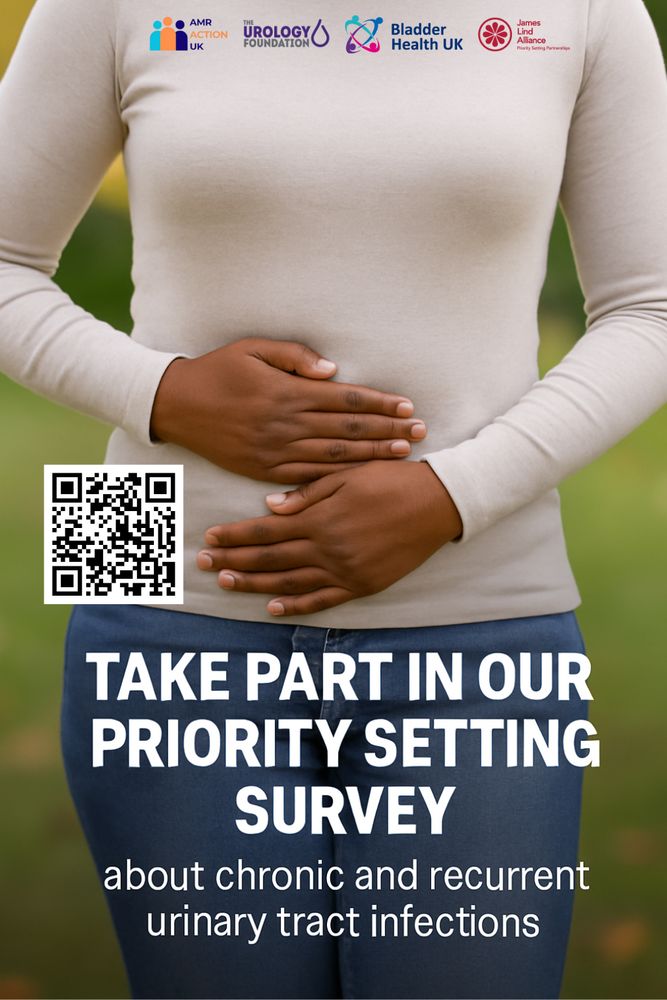
We’re helping identify the top 10 research priorities for chronic and recurrent UTI in the UK. It only takes a few minutes to complete the survey and could help shape future care. www.surveymonkey.com/r/UTI_PSP
#UTISky
06.06.2025 12:36 — 👍 8 🔁 5 💬 1 📌 0
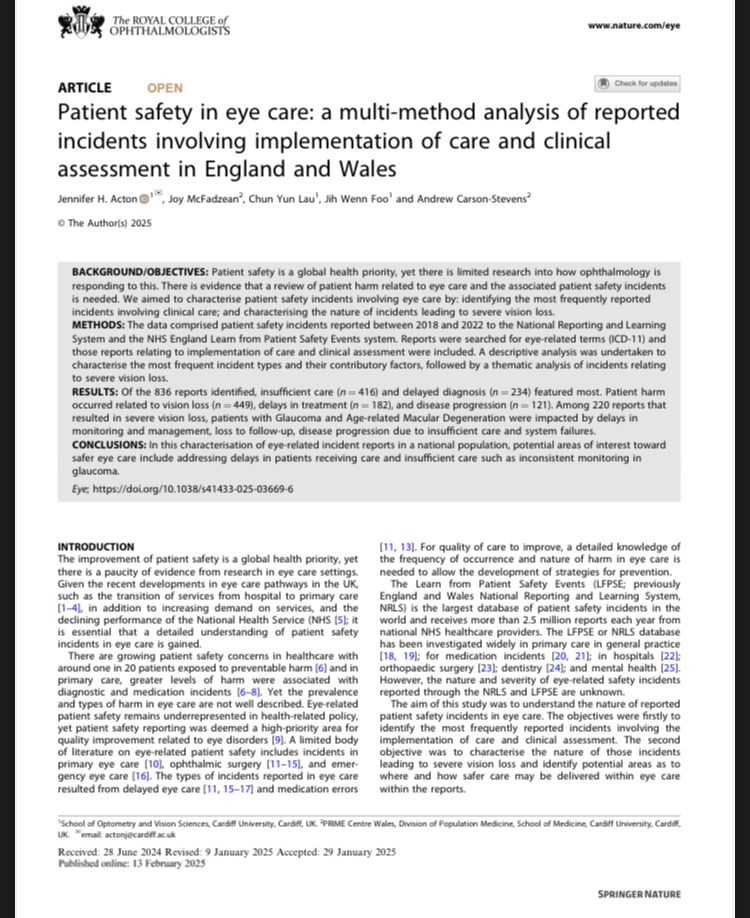
Our latest paper patient safety in eye care published in #Eye can be found here: rdcu.be/eafp5 led by Jen Acton and @carsonstevens.bsky.social
17.02.2025 20:06 — 👍 2 🔁 1 💬 0 📌 0
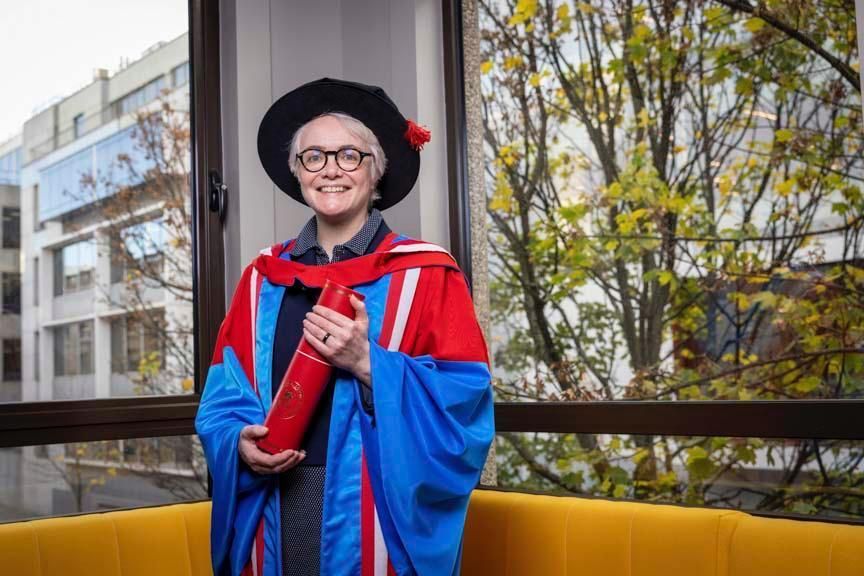
Prestigious award for THIS Director, Mary Dixon-Woods
On receiving her award, Mary, who is also Professorial Fellow at Homerton College, Cambridge, said, “I am absolutely delighted to receive an honorary doctorate from the RCSI University of Medicine…
Today, @thisinstitute.bsky.social Director, @marydixonwoods.bsky.social was awarded an honorary doctorate by @rcsi.bsky.social celebrating the work she has done to make a difference to healthcare through education.
Congratulations, Mary from the team at THIS Institute
20.11.2024 16:30 — 👍 54 🔁 5 💬 2 📌 2
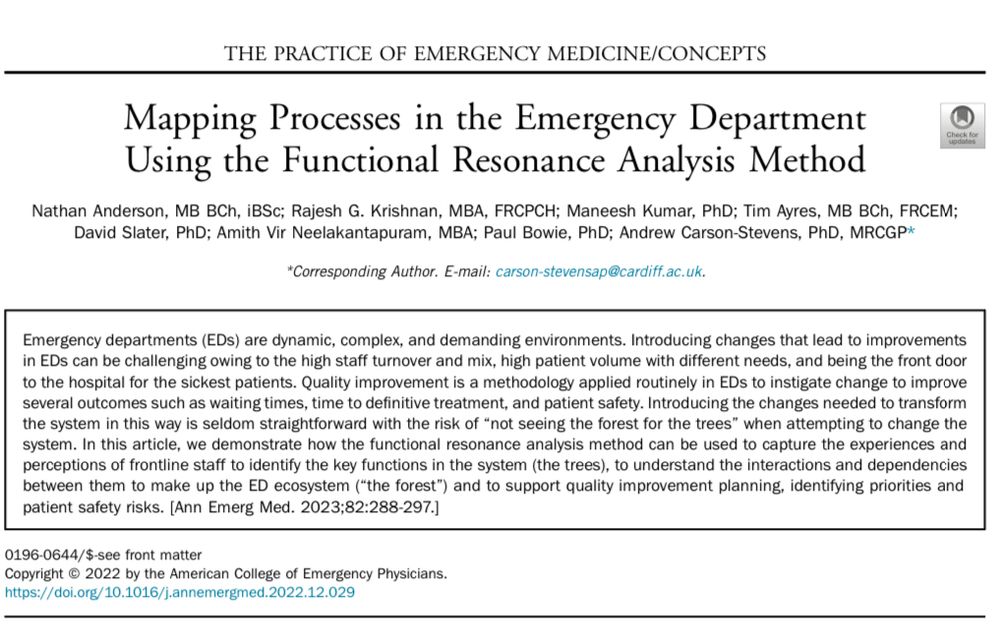
An abstract to a journal article: https://doi.org/10.1016/j.annemergmed.2022.12.029. The abstract reads: Emergency departments (EDs) are dynamic, complex, and demanding environments. Introducing changes that lead to improvements
in EDs can be challenging owing to the high staff turnover and mix, high patient volume with different needs, and being the front door
to the hospital for the sickest patients. Quality improvement is a methodology applied routinely in EDs to instigate change to improve
several outcomes such as waiting times, time to de nitive treatment, and patient safety. Introducing the changes needed to transform
the system in this way is seldom straightforward with the risk of“not seeing the forest for the trees” when attempting to change the
system. In this article, we demonstrate how the functional resonance analysis method can be used to capture the experiences and
perceptions of frontline staff to identify the key functions in the system (the trees), to understand the interactions and dependencies
between them to make up the ED ecosystem (“the forest”) and to support quality improvement planning, identifying priorities and
patient safety risks.
Proud of WESPA (Welsh Ergonomics and Safer Patients Alliance) **2024@cardiffuni.bsky.social Celebrating Excellence Awardees** students & staff from health (medicine and vision sciences), business and engineering that volunteered with the NHS during the pandemic to help improve systems for patients.
17.11.2024 08:49 — 👍 5 🔁 1 💬 0 📌 0
Sage Journals: Discover world-class research
Subscription and open access journals from Sage, the world's leading independent academic publisher.
Our new paper in @palliativemedj.bsky.social: Effective syringe driver care: we explore systems and the infrastructure needed to enable timely supply of medication & equipment, communication & continuity of care doi.org/10.1177/0269...
13.11.2024 07:55 — 👍 6 🔁 2 💬 0 📌 0