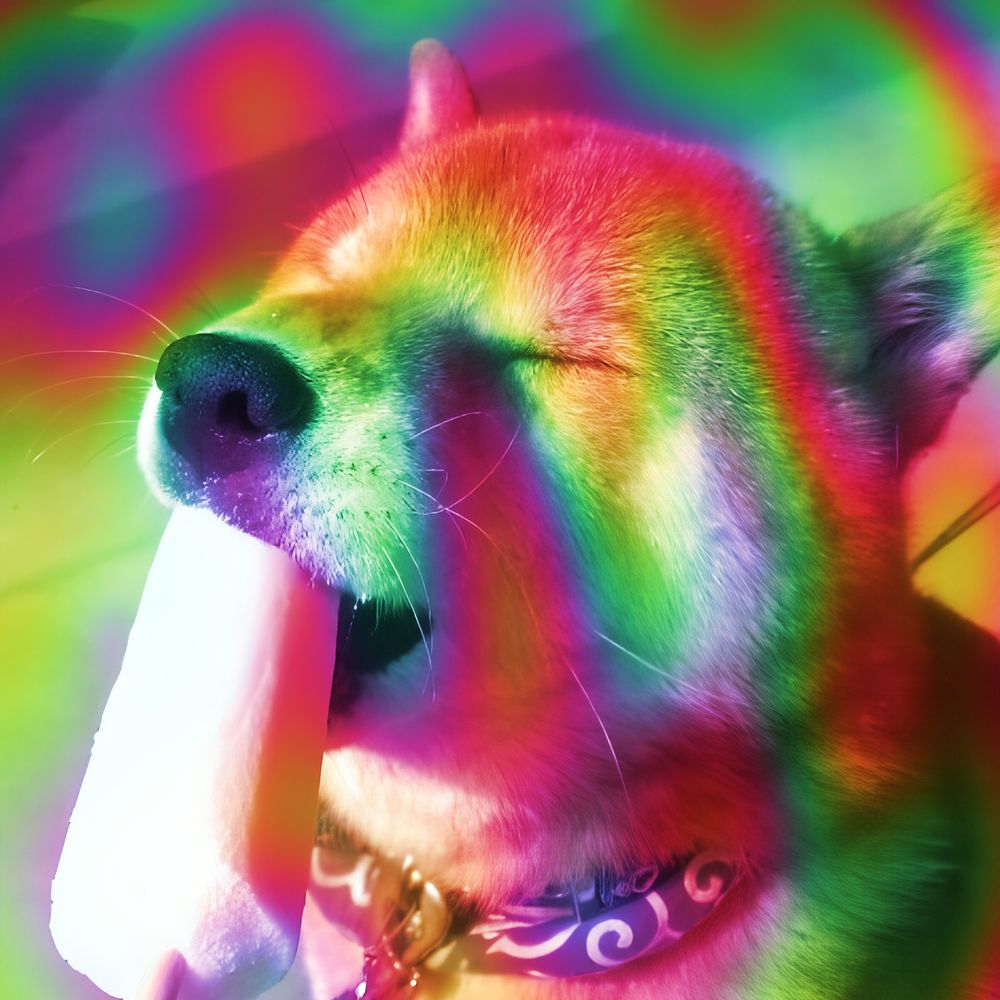
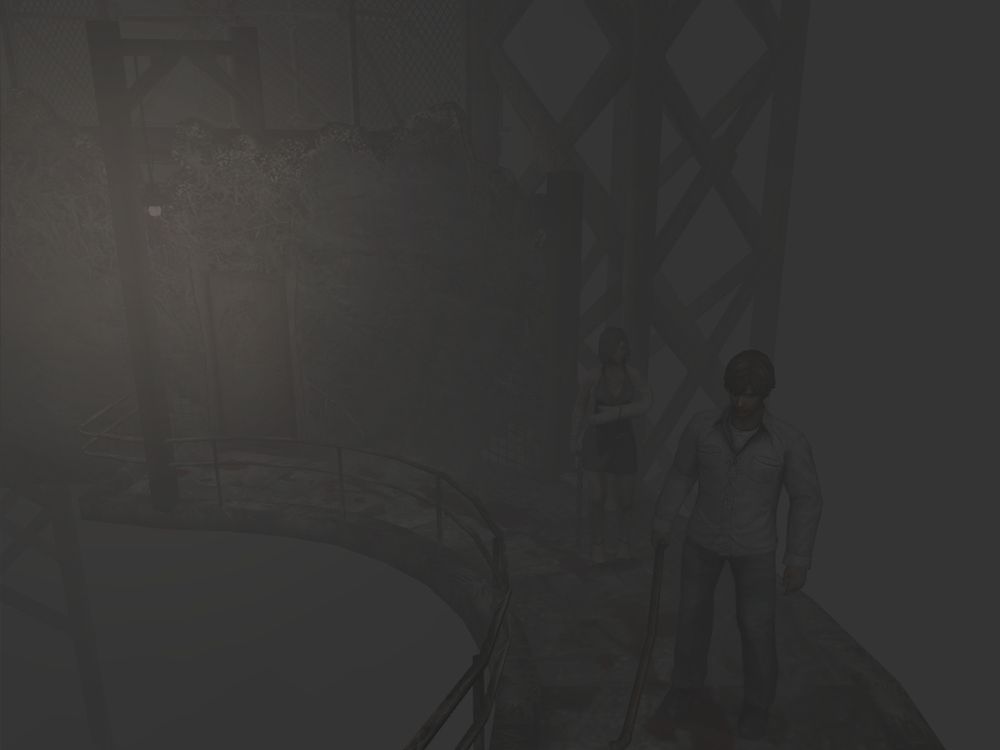
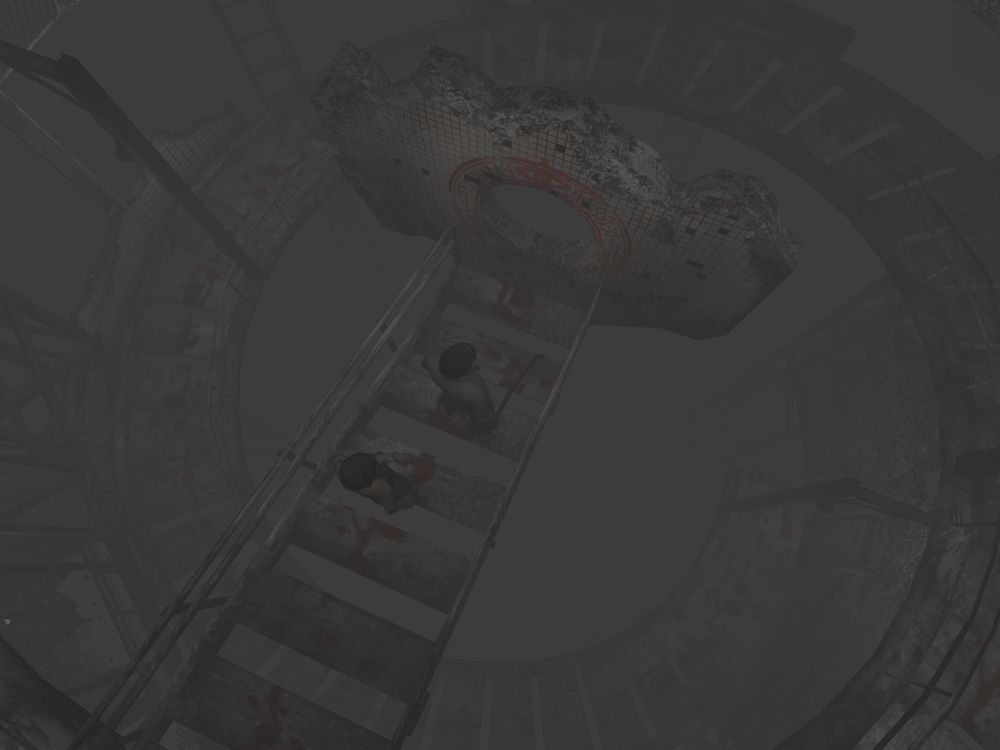
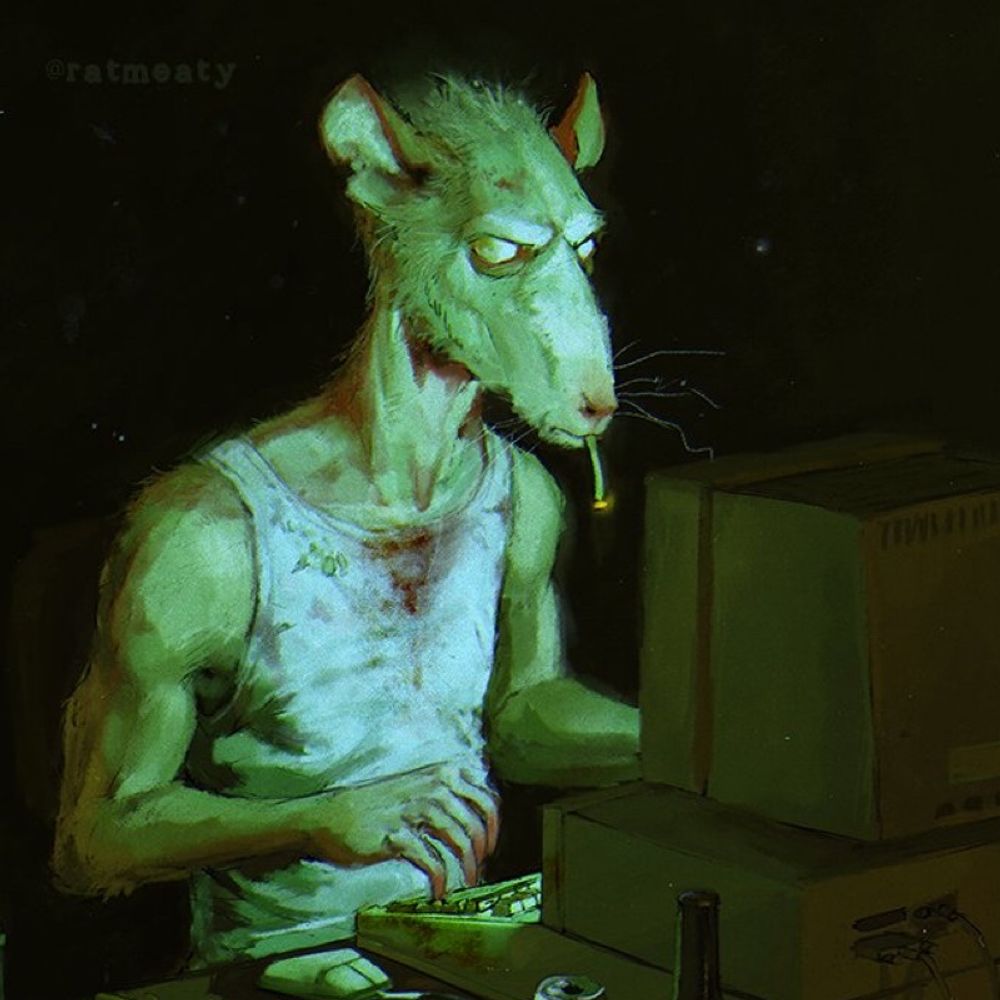
The same render, but with filter glossy 1 and cast/receive shadow caustics
13.01.2026 20:18 — 👍 4 🔁 0 💬 0 📌 0

So, it turns out, to achieve good looking caustics in Blender with Cycles you need to disable "filter gloss" option and NOT use "cast/receive shadow caustics" options
13.01.2026 20:17 — 👍 5 🔁 0 💬 1 📌 0
YouTube video by storerestore
Pocket Acid released!
!!!
youtu.be/6xw3qoWYFCo
25.11.2025 18:21 — 👍 0 🔁 0 💬 0 📌 0
#SunVox
05.11.2025 23:53 — 👍 1 🔁 0 💬 0 📌 0


Also note the hexagonal grid structure.
My guess is that hexagonal grid aligns better with radial gradients, resulting in reduced amount of aliasing artifacts compared to regular polygonal grid.
29.10.2025 00:52 — 👍 3 🔁 0 💬 1 📌 0
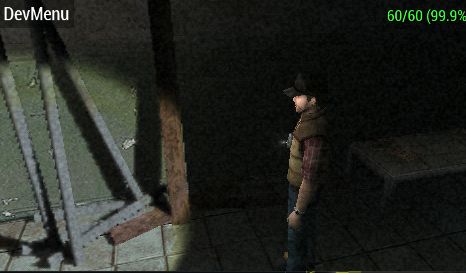
Does anyone know how Climax Studios implemented shadow maps on PS2 and PSP in Silent Hill: Origins and Shattered Memories?
03.10.2025 22:45 — 👍 0 🔁 0 💬 0 📌 0
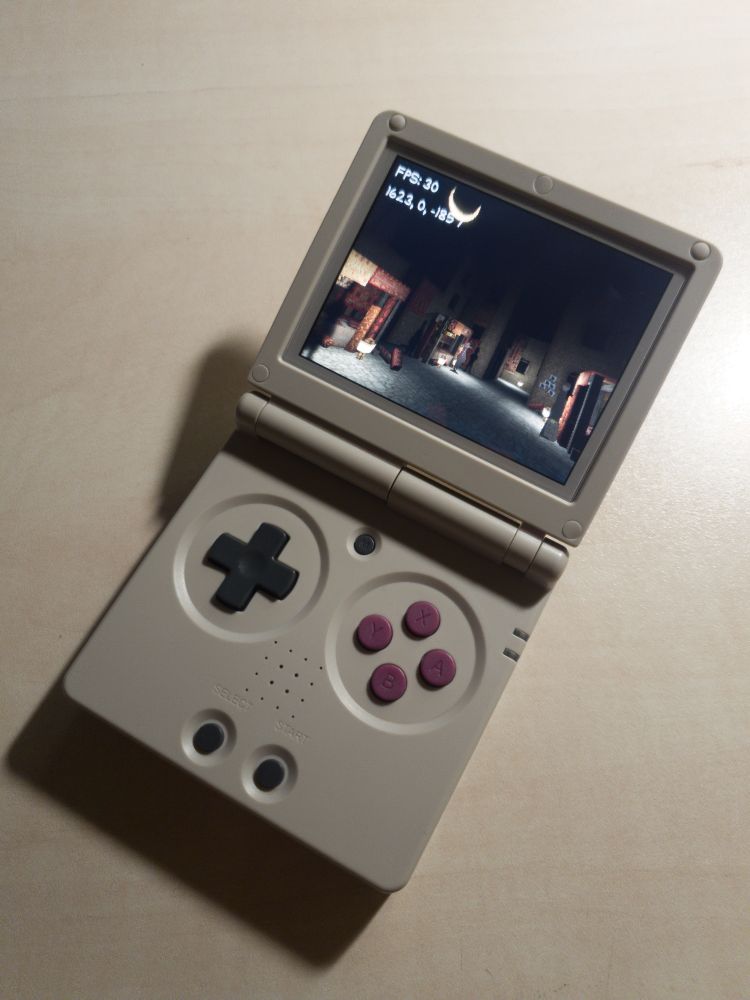
Got bizarre dream bazaar to work with portmaster
Not quite butter smooth, but it works
11.09.2025 11:27 — 👍 1 🔁 0 💬 0 📌 0


yeah
11.09.2025 00:05 — 👍 10 🔁 2 💬 0 📌 0
The Future Sound Of London - Room 208
17.08.2025 10:42 — 👍 0 🔁 0 💬 0 📌 0
(Textures by Makkon)
09.08.2025 16:02 — 👍 2 🔁 0 💬 1 📌 0

Regular vertex lighting in sRGB

Regular vertex lighting in linear RGB

Vertex lighting in linear RGB with sqrt(col) interpolation

Vertex lighting in linear RGB with sqrt(1/col) interpolation (I use invsqr distance attenuation)
Was wondering why vertex lighting looks ugly in linear RGB compared to sRGB
Turns out it's due to interpolation in linear color space. Interpolating sqrt(col) fixes the issue
I also tried sqrt(1/col) but it looks wrong on smooth normals
I wonder if this can be applied to lightmaps too
03.08.2025 22:12 — 👍 5 🔁 0 💬 0 📌 0
 31.07.2025 21:12 — 👍 3 🔁 2 💬 0 📌 0
Car model is from Need for Speed: Undercover (J2ME)
25.07.2025 14:35 — 👍 1 🔁 0 💬 0 📌 0
Experimenting with normals for spherical environment mapping
#gamedev #indiedev
25.07.2025 14:35 — 👍 8 🔁 1 💬 1 📌 0
This is a great thread @hillsguy.bsky.social, I'll add a bit more context here for anyone interested.
Yes there's no fancy sim - it just uses a water interaction buffer as a target for the particle system rendering, so we could use the power of particle system we already have.
13.06.2025 21:06 — 👍 239 🔁 53 💬 4 📌 0
Wow, thanks for those insights and for your repost!
Effects like this deserve more attention, I was surprised that there's no related publications on Valve site
14.06.2025 14:33 — 👍 1 🔁 0 💬 0 📌 0
Not really. Gradient maps are similar to palettes, but they are not interchangeable, both have their own limitations. Maybe some modifications of this technique could be applied to gradient maps too.
11.06.2025 21:10 — 👍 0 🔁 0 💬 0 📌 0
Thanks!
I'm not familiar with WebGL, but considering that WebGL 2 is based on GLES 3, I think it should be mostly doable.
11.06.2025 21:08 — 👍 2 🔁 0 💬 0 📌 0

I also wanted to check out that famous bottle shader, but I don't think that I can pinpoint anything useful without looking at shaders.
All I see is that bottle is fully opaque and doesn't use any colors from the framebuffer. Looks like only cubemaps and per-pixel lighting are used for refractions.
11.06.2025 00:55 — 👍 16 🔁 0 💬 1 📌 1

Smoke is rendered separately in a bunch of low-res buffers and is combined with OIT buffers later.
A whopping SIX (!) buffers are used! (R 32F, RG 32F, RGBA 32F, RGBA 16F, RG 16F, R 8UI).
The first 4 buffers seem to be the same as the OIT buffers, but I'm not sure about the rest.
11.06.2025 00:55 — 👍 6 🔁 0 💬 1 📌 0
CS2 also uses some flavor of order-independent transparency for particles, glass, smoke and fire. Most likely, moment-based OIT is used.
11.06.2025 00:55 — 👍 6 🔁 0 💬 1 📌 0
Drawing, painting, making low poly horror games
he/him
1990
https://ko-fi.com/ratmeats
🏳️⚧️🐀
CLYDE K.
he/she
made "A Town Called Collegeville"
𝕯𝖊𝖘𝖙𝖗𝖔𝖞 𝕰𝖛𝖊𝖗𝖞𝖙𝖍𝖎𝖓𝖌 𝕹𝖔𝖜
dogpoison.industries ✦ patreon.com/clydek ✦ bio.site/clydek
Drawing whatever. ESP/ENG
Print shop: http://rb.gy/w1a58
Ko-fi: https://ko-fi.com/edneqivo
No AI.
qende.carrd.co/
🏳️🌈absolute arf arfd 19 yo HI
📝 no commsmhjf sorr
🔗 randitawu.carrd.co
pfp by @zorrito.bsky.social
Ben Hale. He/They. Senior Environment artist at UnknownWorlds, working on Subnautica 2. prev ILMxLab. 2d/3d artist. Rock enthusiast. Music composition hobbyist.
https://makkon.itch.io/
https://cara.app/makkon
🚫AI/NFT
FA: www.furaffinity.net/user/vvvenkman
SFW: @venkpng.bsky.social
23 || UK big dog || my big hubby💍 @palprime.bsky.social 💙💚 || local green mutt || Comms: closed ||🔞
⬇️PATREON / PRINT SHOP⬇️
https://linktr.ee/bigsquidman
Illustrator / Contact: vvvvenkman@gmail.com
All links: https://venkpng.carrd.co
🔞 adults only 🔞
i love @skunkers.ca
pfp by @animalperson.bsky.social
banner by sean rubin
Graphics programmer, indie game developer.
Developed Bakery (a GPU lightmapper) and some other tools.
Ex-PlayCanvas engine dev.
Working on Faded: https://linktr.ee/fadedthegame
Other stuff: https://ndotl.wordpress.com/cv/
digital artist ✦ she/they ✦ 24 ✦ ru/eng ✦ prices: https://ferafel.carrd.co ✦ ferafel.art@gmail.com
artist, animator, painter, so on and such 🌞
27 he/him, us ne
everywhere else you can find me:
https://linktr.ee/unibrawn
hiiiii (comms closed)
twt: https://x.com/Serpent____x
pfp: @fauxtanuki (twt)
comms closed!
hi! ⚓️🍂🌀she/he/they
commission : ask
 13.02.2026 16:01 — 👍 0 🔁 0 💬 0 📌 0