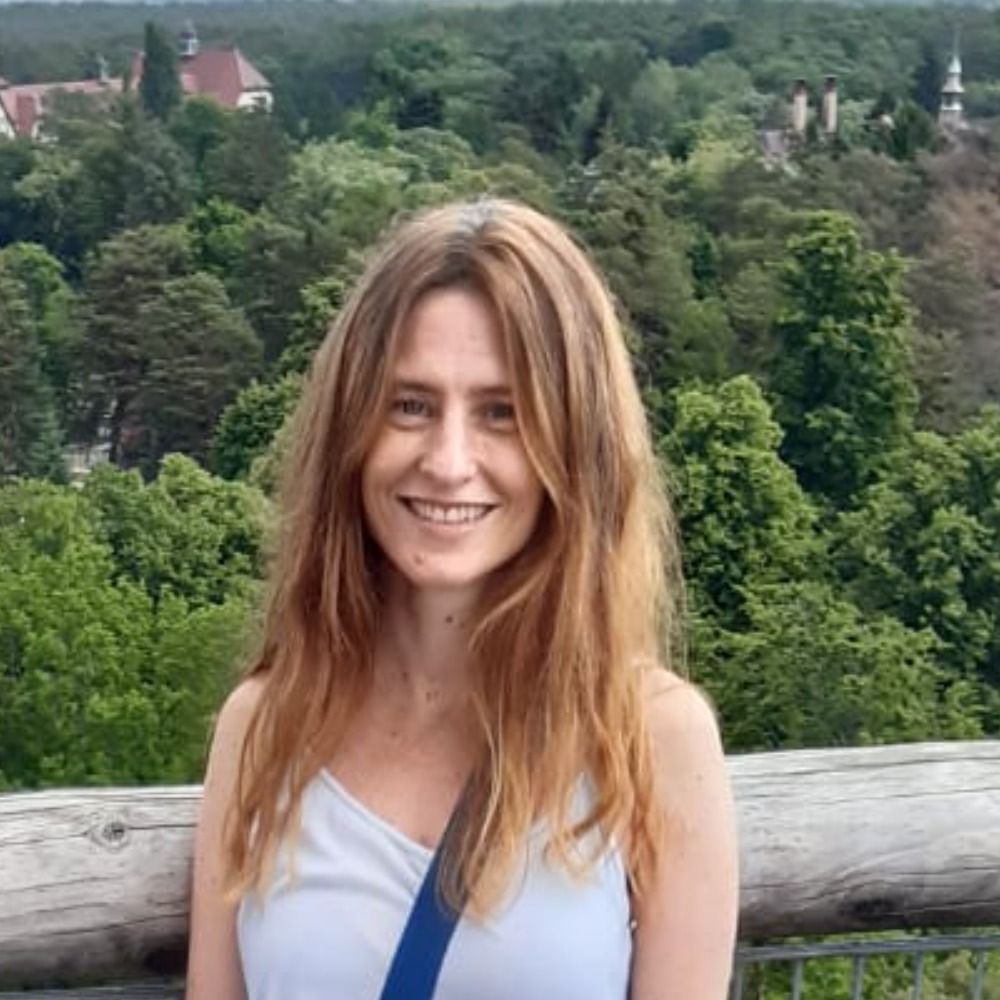
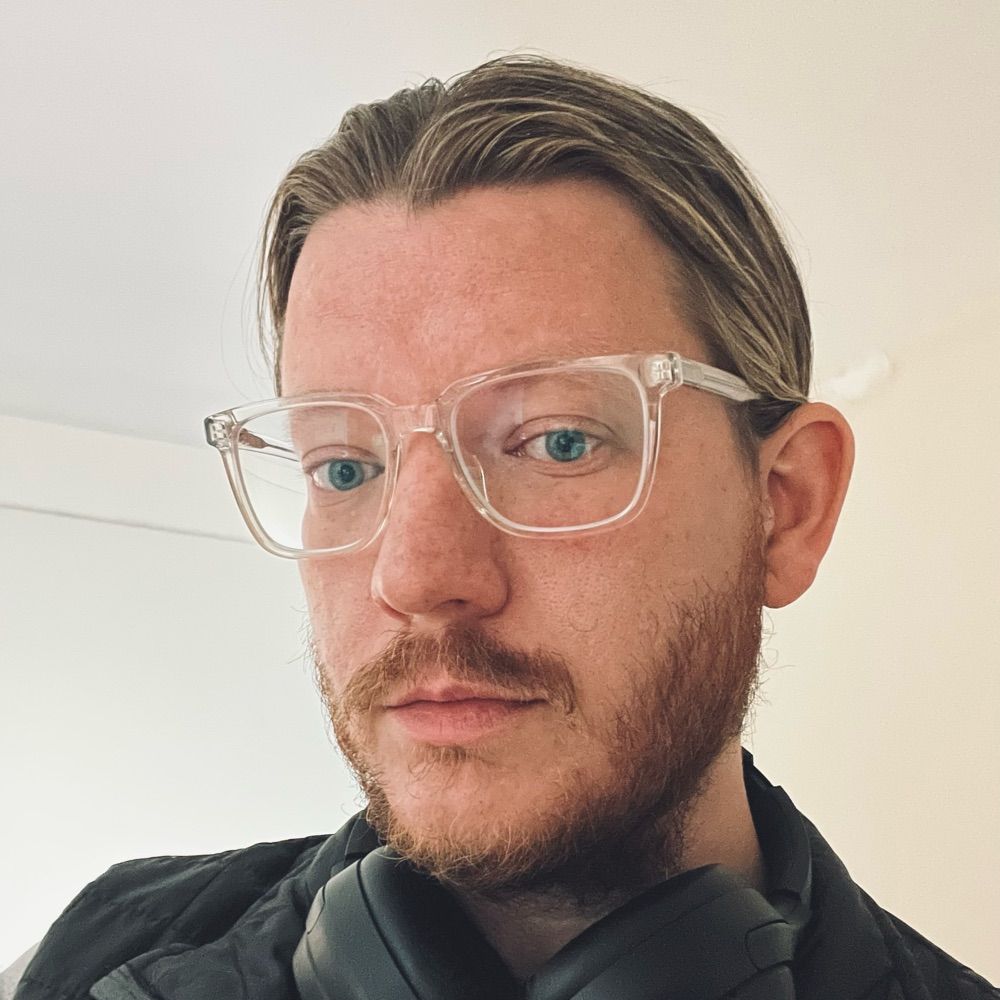
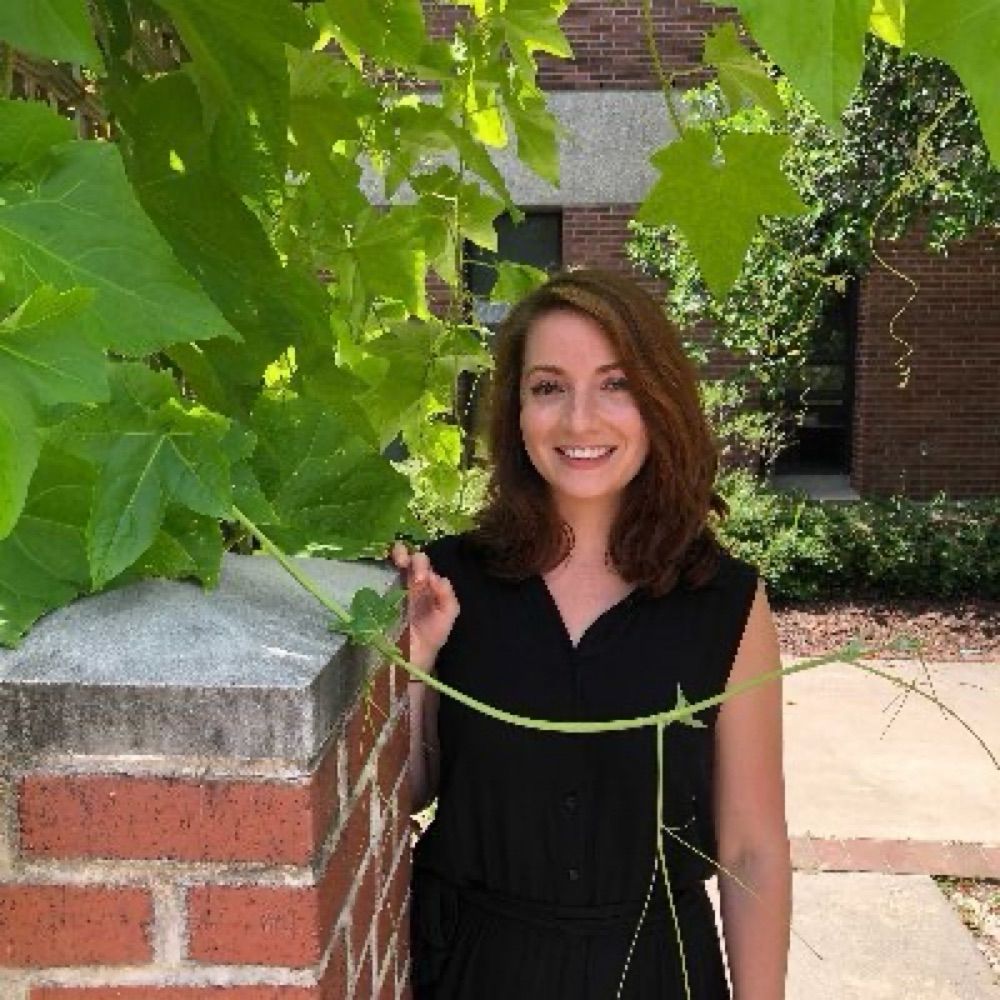
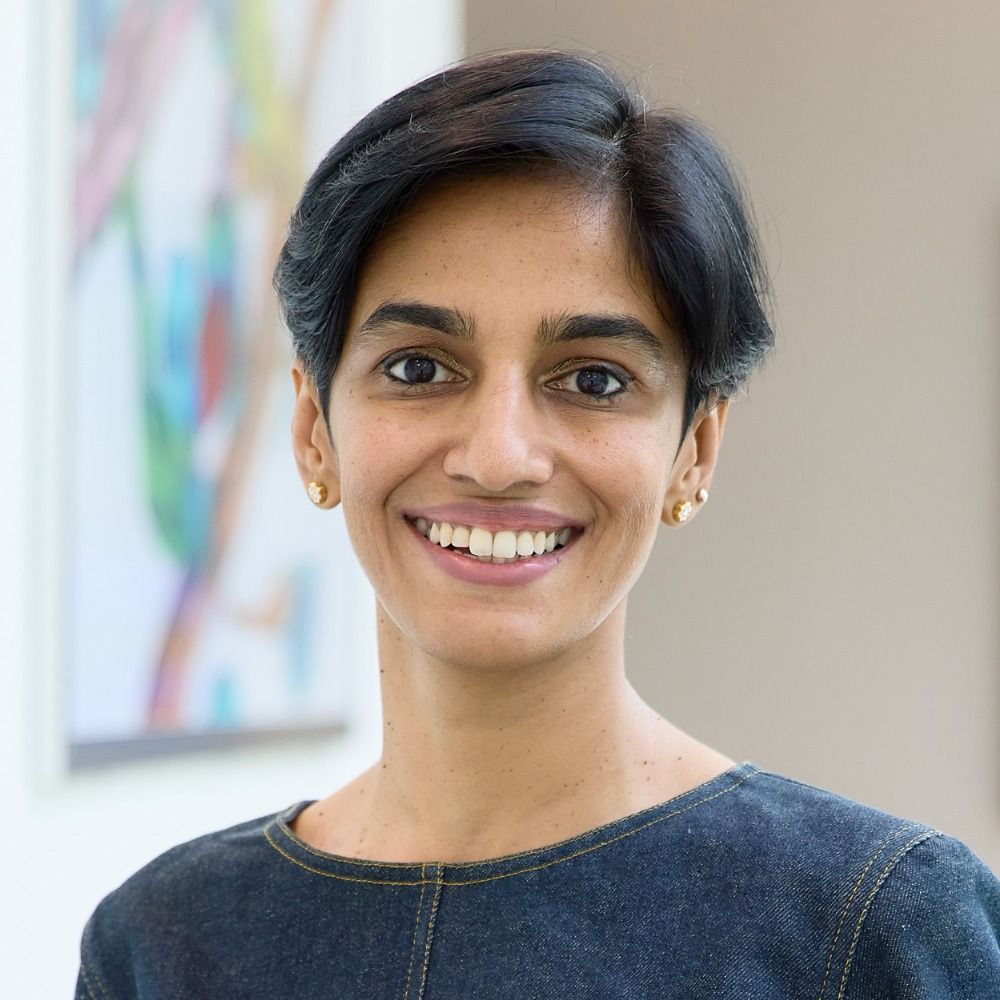
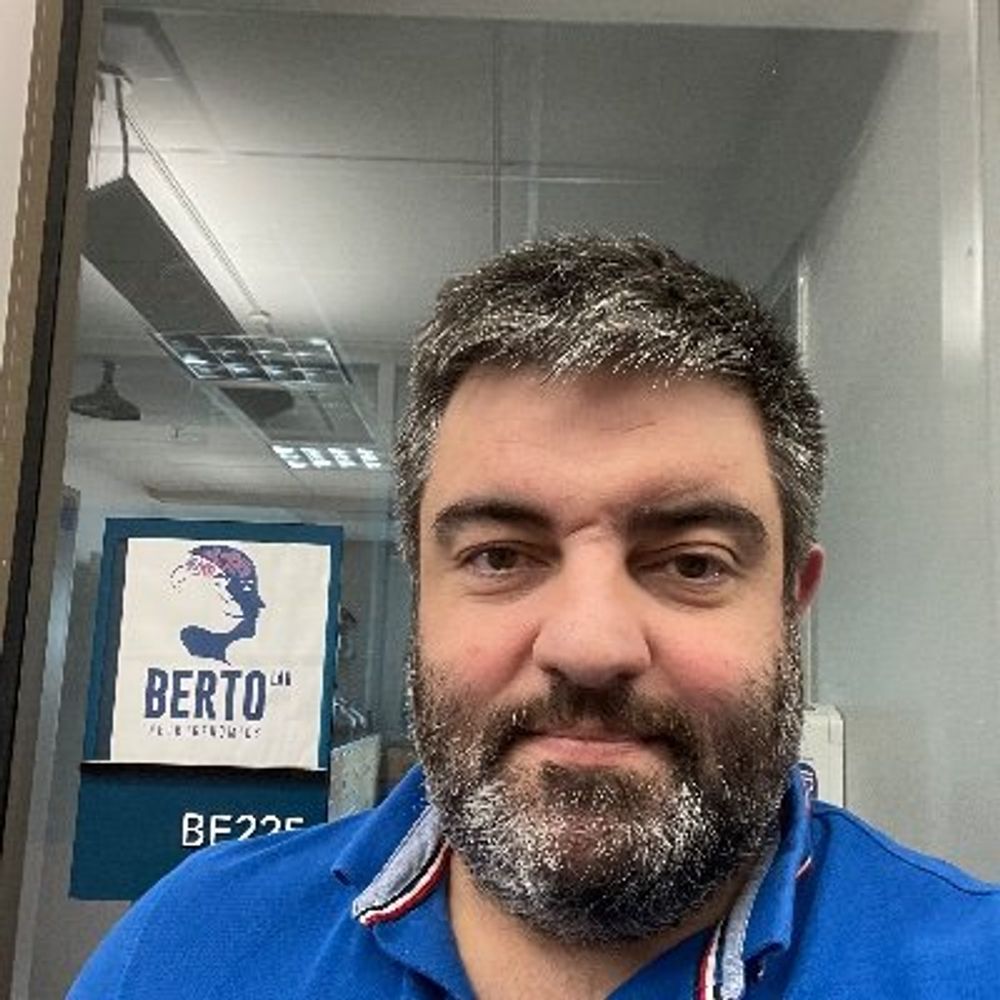
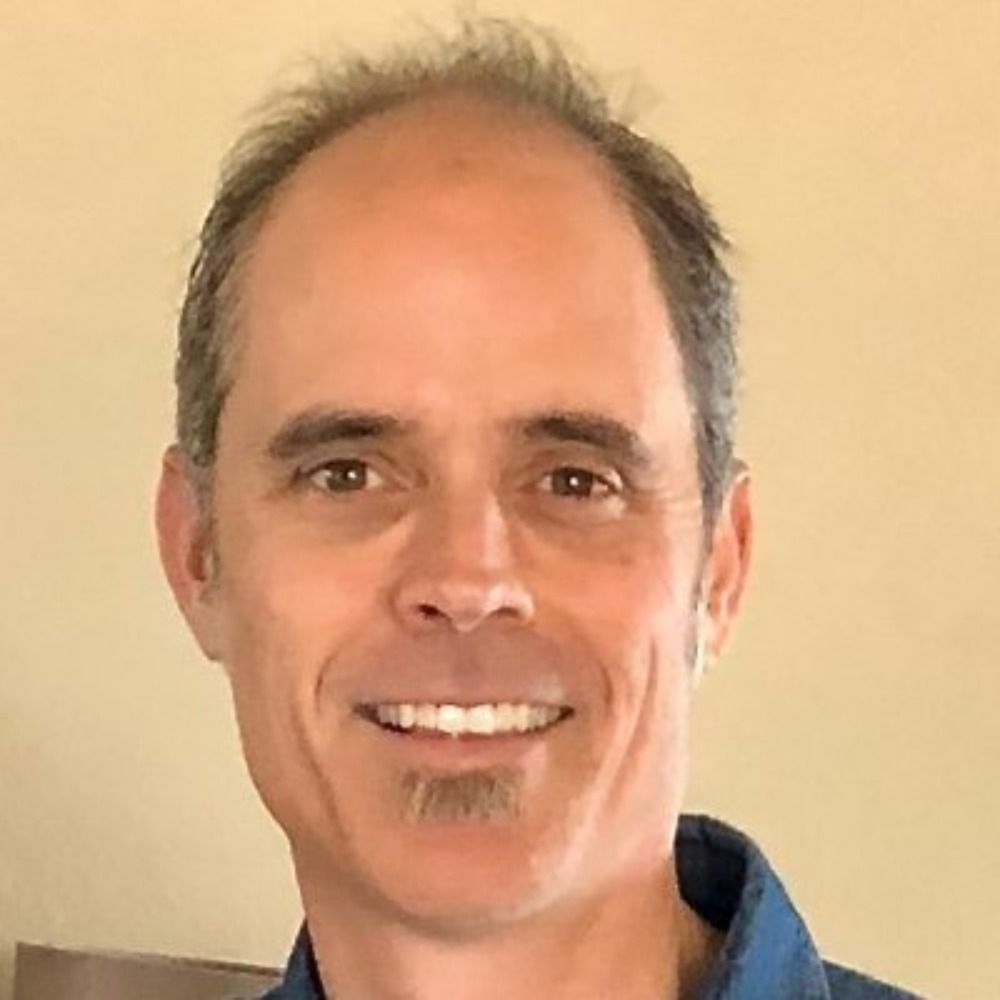
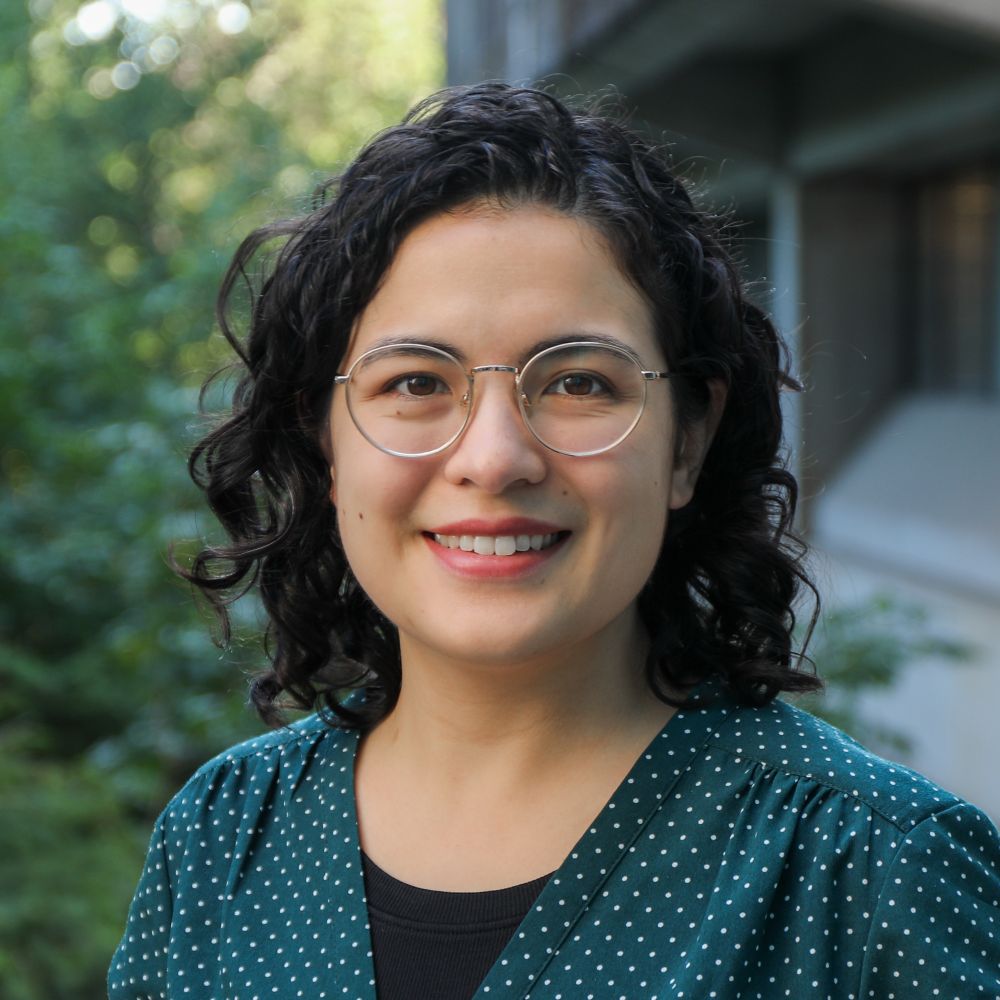
Photo of Dr. Zachary Pennington and Dr. Milan Valyear
We're thrilled to welcome Dr. @zachtpennington.bsky.social and Dr. @milanium.bsky.social as Assistant Professors in our Behavioural Neuroscience area and members of the @dmcbrainhealth.bsky.social.
Read their Q&As: psych.ubc.ca/news
20.02.2026 22:49 — 👍 35 🔁 8 💬 2 📌 0

Place cells in CA1 lack topographical organization of firing locations | PNAS
Topography is a well-described and well-known concept for cortical organization in
primary sensory and motor cortices of mammalian brains. Similar ...
A half-century old question may have its final answer. Using high-resolution #Mini2P microscopes, we find no evidence of local topography in #PlaceCells. Place fields of neighbouring cells are no more similar than those of randomly selected cells. 🧠🗺️ Out now in @pnas.org www.pnas.org/doi/10.1073/...
19.02.2026 11:53 — 👍 143 🔁 42 💬 4 📌 8

Applications for our Next Generation Leaders program are open!
For 3 years, accepted early career scientists will join a supportive network and contribute to our research initiatives.
Apply by Mar. 31: https://bit.ly/3OjzdRa
📸 Photo by NGL Alum @bjmarlin.bsky.social
17.02.2026 19:10 — 👍 6 🔁 6 💬 0 📌 0
🔬🧠 Releasing the 1.0 version of #Suite2p and THE PAPER w/ @marius10p.bsky.social! Now with GPU acceleration. Want to use Suite2p but don’t have 100,000 neuron recordings? We show you how to get those with a standard 2p microscope #neuroscience #imaging #neuroAI www.biorxiv.org/content/10.6...
12.02.2026 01:32 — 👍 96 🔁 35 💬 2 📌 2
Happy to share the newest study from our lab, led by superstar postdoc Dr. Rodrigo Campos Cardoso, where we resolve the infralimbic cortex GABAergic circuits of fear extinction: tinyurl.com/38vvr2my
10.02.2026 12:44 — 👍 32 🔁 10 💬 1 📌 1
Same task, different strategy ↔️
Why do identical neural network models develop separate internal approaches to solve the same problem?
@annhuang42.bsky.social explores the factors driving variability in task-trained networks in our latest @kempnerinstitute.bsky.social Deeper Learning blog.
09.02.2026 19:07 — 👍 42 🔁 6 💬 1 📌 0

BG GRC Oath:
I acknowledge that the go/no-go model of the BG was useful but it is outdated and incorrect, or at least incomplete. I pledge not to use the go/no-go model as a strawman to motivate my work.
Taking the #GRCBasalGanglia Oath ✋🏼
I acknowledge that the go/no-go model of the BG was useful but it is outdated and incorrect, or at least incomplete. I pledge not to use the go/no-go model as a strawman to motivate my work.
02.02.2026 19:57 — 👍 60 🔁 12 💬 1 📌 3
Our latest preprint. More evidence that diabetic neuropathy is a neuro degenerative disease. Very proud of @ish1789.bsky.social and our whole PRECISION group who made this work possible. #HEALinitiative funded
21.01.2026 02:34 — 👍 30 🔁 14 💬 2 📌 1

Corticosterone accelerates behavioral inflexibility via plasticity-related gene expression in the dorsal striatum
Neuropsychopharmacology - Corticosterone accelerates behavioral inflexibility via plasticity-related gene expression in the dorsal striatum
Chronic corticosterone shifts behavior from flexible to inflexible by differentially regulating striatal plasticity genes:
Cort ⬇️ plasticity gene expression in the dorsomedial striatum & ⬆️ plasticity programs in the dorsolateral striatum
30.01.2026 17:30 — 👍 1 🔁 1 💬 0 📌 0
speaker: any questions
me in my mind: yes how did you get funding for this
29.01.2026 14:23 — 👍 70 🔁 7 💬 2 📌 0
Orbitofrontal BDNF puts the brakes on alcohol intake and relapse
Neuropsychopharmacology - Orbitofrontal BDNF puts the brakes on alcohol intake and relapse
This Research Highlight discusses findings showing that heavy alcohol use decreases BDNF in the ventrolateral orbitofrontal cortex (vlOFC) of mice & that increased BDNF in the vlOFC–dorsolateral striatum pathway decreases alcohol intake, seeking & relapse
27.01.2026 16:31 — 👍 2 🔁 2 💬 0 📌 0
🥳🥳🥳 Pretty fab start to 2026!!
19.01.2026 16:51 — 👍 41 🔁 8 💬 6 📌 0

Different learning algorithms achieve shared optimal outcomes in humans, rats, and mice
Animals must exploit environmental regularities to make adaptive decisions, yet the learning algorithms that enabels this flexibility remain unclear. A central question across neuroscience, cognitive science, and machine learning, is whether learning relies on generative or discriminative strategies. Generative learners build internal models the sensory world itself, capturing its statistical structure; discriminative learners map stimuli directly onto choices, ignoring input statistics. These strategies rely on fundamentally different internal representations and entail distinct computational trade-offs: generative learning supports flexible generalisation and transfer, whereas discriminative learning is efficient but task-specific. We compared humans, rats, and mice performing the same auditory categorisation task, where category boundaries and rewards were fixed but sensory statistics varied. All species adapted their behaviour near-optimally, consistent with a normative observer constrained by sensory and decision noise. Yet their underlying algorithms diverged: humans predominantly relied on generative representations, mice on discriminative boundary-tracking, and rats spanned both regimes. Crucially, end-point performance concealed these differences, only learning trajectories and trial-to-trial updates revealed the divergence. These results show that similar near-optimal behaviour can mask fundamentally different internal representations, establishing a comparative framework for uncovering the hidden strategies that support statistical learning. ### Competing Interest Statement The authors have declared no competing interest. Wellcome Trust, https://ror.org/029chgv08, 219880/Z/19/Z, 225438/Z/22/Z, 219627/Z/19/Z Gatsby Charitable Foundation, GAT3755 UK Research and Innovation, https://ror.org/001aqnf71, EP/Z000599/1
paper🚨
When we learn a category, do we learn the structure of the world, or just where to draw the line? In a cross-species study, we show that humans, rats & mice adapt optimally to changing sensory statistics, yet rely on fundamentally different learning algorithms.
www.biorxiv.org/content/10.1...
17.11.2025 19:18 — 👍 79 🔁 19 💬 1 📌 1
Congratulations to Corinna, Justin, you and the team!🙌🏽
09.01.2026 14:09 — 👍 1 🔁 0 💬 1 📌 0
🧠⚡️💊New @nature.com publication !
Mimicking opioid analgesia in cortical pain circuits
We built a brain-behavior framework to decode spontaneous chronic pain in mice—and to biologically mimic morphine with a synthetic opioid gene therapy
nature.com/articles/s41...
@pennmedicine.bsky.social
08.01.2026 18:01 — 👍 65 🔁 17 💬 2 📌 3
Congratulations, Keri!
09.01.2026 14:08 — 👍 1 🔁 0 💬 1 📌 0
What is the computational role of dendritic excitations? Byung Hun Lee and team mapped voltage dynamics throughout the dendritic trees of CA1 pyramidal neurons in mice navigating in virtual reality. www.biorxiv.org/content/10.6...
04.01.2026 06:17 — 👍 130 🔁 50 💬 3 📌 2

Striatal and hippocampal contributions to value-based learning in adolescence
Neuropsychopharmacology - Striatal and hippocampal contributions to value-based learning in adolescence
Interactions between striatal–prefrontal & hippocampal–prefrontal systems shape value-based learning & goal-directed behavior during adolescence; asynchronous maturation of these circuits may contribute to vulnerability to mental health disorders
06.01.2026 16:31 — 👍 6 🔁 3 💬 0 📌 0

Finally, we’ve solved a long-standing mystery: what tintinnid shells are actually made of:
A new class of biomaterial formed by remarkable structural proteins unique to tintinnids.
A major milestone after 3 years of work! Read about it in our preprint: doi.org/10.64898/202...
#ProtistsOnSky
27.12.2025 10:30 — 👍 95 🔁 35 💬 4 📌 3
Congratulations Kate and team!
22.12.2025 03:39 — 👍 1 🔁 0 💬 0 📌 0
Congratulations Milan!!!
22.12.2025 03:38 — 👍 1 🔁 0 💬 1 📌 0
Thank you - so happy to join such an exciting and supportive department!
22.12.2025 02:51 — 👍 8 🔁 1 💬 1 📌 0
Glasshalfemptologist.
https://drugmonkey.wordpress.com/
@Uni Heidelberg | Microscopy | Brain | Glial cells | Astrocytes | Oligodendrocytes | Mitochondria | Calcium
neuroscientist poet person
Neuroscientist, Assistant Professor @ Stanford, PI @ Giardino Lab. Personal account, personal views.
Postdoc in the Calipari and Grueter labs at Vanderbilt University 🧠
"I used to be just like you before I started going to therapy"
postbac in Dr. David Lovinger's lab at NIAAA, future physician-scientist, Thom Yorke enthusiast, Rubik's cubes, cycling, CV
Neuroscientist at The Sainsbury Wellcome Centre, UCL, in London. Leading the "Learning, Inference & Memory" laboratory. Accidental advocate of #longcovid
https://www.lim.bio/
Associate Professor @ Penn | Dept Psychiatry + Dept Neuroscience + Dept Anesthesiology | Pain • Placebo • Poppies • Psychedelics
https://corderlab.com/
Artist, Assistant Prof of & MD Psychiatry at Yale University and Howard University | Decoding social representations & making music, mindfulness & psychedelic tools for connection & mental health https://www.azalab.org/
Assistant Professor, UAB Dept. of Neurobiology | Hormonal brain states and sex differences in substance use disorders.
Associate Professor at Harvard & Kempner Institute. Applying computational frameworks & machine learning to decode multi-scale neural processes. Marathoner. Rescue dog mom. https://www.rajanlab.com/
Neuroscientist | Happy father |
PI at Weizmann Institue | FENS-Kavli Network Scholar | Brain-body interactions
https://www.weizmann.ac.il/brain-sciences/labs/livneh/
Neuroscientist at Champalimaud - #food #brain #microbiome using #Drosophila. PI @RibeiroLab and former Secretary General @FENSorg on X
Assistant Professor with a lab + Director of a Bioinformatic core at MUSC. Working on a rare genetic syndrome. All views are my own.
Scientist and Global Sales Director at 3i (@the.3i.social), foodie, family man. Tai Chi and meditation matter. Compassion Heals. Microscopes Rock. https://www.intelligent-imaging.com
VP for Research, T.H. Smoot Professor
Depts Chemical and Biomolecular Engn, Pathology, Oncology, INBT
Johns Hopkins University
3D multi-omic, CAR T therapy, cell migration and mechanics
Lab: https://wirtzlab.johnshopkins.edu
Molecular neuroscientist • Simons Foundation F2F • OHSU/Vollum postdoc • UTSW PhD • she/her
Postdoc in the Calipari lab | Social Media for Stories of WiN | Leading Edge Fellow | Topo Chico Fanatic
University of Washington Center of Excellence in Neurobiology of Addiction, Pain, and Emotion