A table showing profit margins of major publishers. A snippet of text related to this table is below.
1. The four-fold drain
1.1 Money
Currently, academic publishing is dominated by profit-oriented, multinational companies for
whom scientific knowledge is a commodity to be sold back to the academic community who
created it. The dominant four are Elsevier, Springer Nature, Wiley and Taylor & Francis,
which collectively generated over US$7.1 billion in revenue from journal publishing in 2024
alone, and over US$12 billion in profits between 2019 and 2024 (Table 1A). Their profit
margins have always been over 30% in the last five years, and for the largest publisher
(Elsevier) always over 37%.
Against many comparators, across many sectors, scientific publishing is one of the most
consistently profitable industries (Table S1). These financial arrangements make a substantial
difference to science budgets. In 2024, 46% of Elsevier revenues and 53% of Taylor &
Francis revenues were generated in North America, meaning that North American
researchers were charged over US$2.27 billion by just two for-profit publishers. The
Canadian research councils and the US National Science Foundation were allocated US$9.3
billion in that year.

A figure detailing the drain on researcher time.
1. The four-fold drain
1.2 Time
The number of papers published each year is growing faster than the scientific workforce,
with the number of papers per researcher almost doubling between 1996 and 2022 (Figure
1A). This reflects the fact that publishers’ commercial desire to publish (sell) more material
has aligned well with the competitive prestige culture in which publications help secure jobs,
grants, promotions, and awards. To the extent that this growth is driven by a pressure for
profit, rather than scholarly imperatives, it distorts the way researchers spend their time.
The publishing system depends on unpaid reviewer labour, estimated to be over 130 million
unpaid hours annually in 2020 alone (9). Researchers have complained about the demands of
peer-review for decades, but the scale of the problem is now worse, with editors reporting
widespread difficulties recruiting reviewers. The growth in publications involves not only the
authors’ time, but that of academic editors and reviewers who are dealing with so many
review demands.
Even more seriously, the imperative to produce ever more articles reshapes the nature of
scientific inquiry. Evidence across multiple fields shows that more papers result in
‘ossification’, not new ideas (10). It may seem paradoxical that more papers can slow
progress until one considers how it affects researchers’ time. While rewards remain tied to
volume, prestige, and impact of publications, researchers will be nudged away from riskier,
local, interdisciplinary, and long-term work. The result is a treadmill of constant activity with
limited progress whereas core scholarly practices – such as reading, reflecting and engaging
with others’ contributions – is de-prioritized. What looks like productivity often masks
intellectual exhaustion built on a demoralizing, narrowing scientific vision.

A table of profit margins across industries. The section of text related to this table is below:
1. The four-fold drain
1.1 Money
Currently, academic publishing is dominated by profit-oriented, multinational companies for
whom scientific knowledge is a commodity to be sold back to the academic community who
created it. The dominant four are Elsevier, Springer Nature, Wiley and Taylor & Francis,
which collectively generated over US$7.1 billion in revenue from journal publishing in 2024
alone, and over US$12 billion in profits between 2019 and 2024 (Table 1A). Their profit
margins have always been over 30% in the last five years, and for the largest publisher
(Elsevier) always over 37%.
Against many comparators, across many sectors, scientific publishing is one of the most
consistently profitable industries (Table S1). These financial arrangements make a substantial
difference to science budgets. In 2024, 46% of Elsevier revenues and 53% of Taylor &
Francis revenues were generated in North America, meaning that North American
researchers were charged over US$2.27 billion by just two for-profit publishers. The
Canadian research councils and the US National Science Foundation were allocated US$9.3
billion in that year.

The costs of inaction are plain: wasted public funds, lost researcher time, compromised
scientific integrity and eroded public trust. Today, the system rewards commercial publishers
first, and science second. Without bold action from the funders we risk continuing to pour
resources into a system that prioritizes profit over the advancement of scientific knowledge.
We wrote the Strain on scientific publishing to highlight the problems of time & trust. With a fantastic group of co-authors, we present The Drain of Scientific Publishing:
a 🧵 1/n
Drain: arxiv.org/abs/2511.04820
Strain: direct.mit.edu/qss/article/...
Oligopoly: direct.mit.edu/qss/article/...
11.11.2025 11:52 — 👍 608 🔁 435 💬 8 📌 62

A small book, big truths.
23.10.2025 16:44 — 👍 1 🔁 0 💬 0 📌 0

@svobodalab.bsky.social This one is for you!
30.09.2025 21:50 — 👍 4 🔁 0 💬 0 📌 0
“Just because you are offended doesn’t mean you are right.”
Ricky Gervais
15.09.2025 13:19 — 👍 1 🔁 0 💬 0 📌 0
Our new preprint, full of exciting data, is now available. Have a look!
QKI ensures splicing fidelity during cardiogenesis by engaging the U6 tri-snRNP to activate splicing at weak 5ʹ splice sites
www.biorxiv.org/content/10.1...
08.09.2025 06:32 — 👍 3 🔁 0 💬 0 📌 0
Což, pokud si dobře pamatuju, bylo jeho jediné („)štěstí(“), protože opylování hrachu představeným nevadilo tak, jako obcování myší mezi zdmi kláštera.
21.08.2025 11:39 — 👍 1 🔁 0 💬 1 📌 0
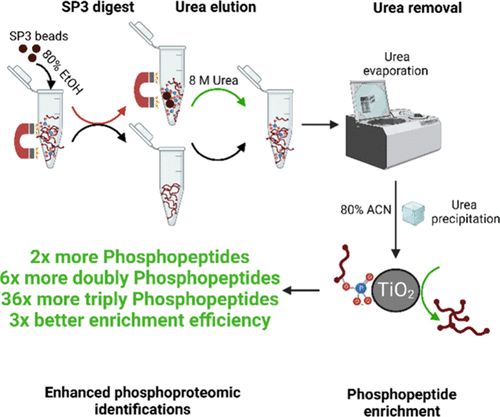
An Optimized SP3 Sample Processing Workflow for In-Depth and Reproducible Phosphoproteomics pubs.acs.org/doi/10....
---
#proteomics #prot-paper
18.07.2025 19:20 — 👍 3 🔁 2 💬 0 📌 0
My point is that Illustrator is not meant for assembling multi-page figures full of different types of files and text, yet people use it for that purpose, just because it’s somehow possible.
09.07.2025 16:05 — 👍 0 🔁 0 💬 0 📌 0
Creating charts, models, labelled WB images… and assembling them into figures are two different problems. 🤔
09.07.2025 15:45 — 👍 0 🔁 0 💬 1 📌 0
One day, scientists will discover Adobe InDesign/Affinity Publisher/… for figure assembly and our lives will be much easier…
09.07.2025 11:01 — 👍 1 🔁 0 💬 1 📌 0
A review of the history of protein-RNA friendship.
09.07.2025 10:54 — 👍 2 🔁 0 💬 0 📌 0
Germany of the 21st century: A place where there is a massive problem for all major personal parcel delivery companies to deliver an order.
#OrdnungMussSein
04.07.2025 13:29 — 👍 0 🔁 0 💬 0 📌 0
Feedback without specifics is not feedback. It’s frustration.
03.07.2025 09:49 — 👍 1 🔁 0 💬 1 📌 0
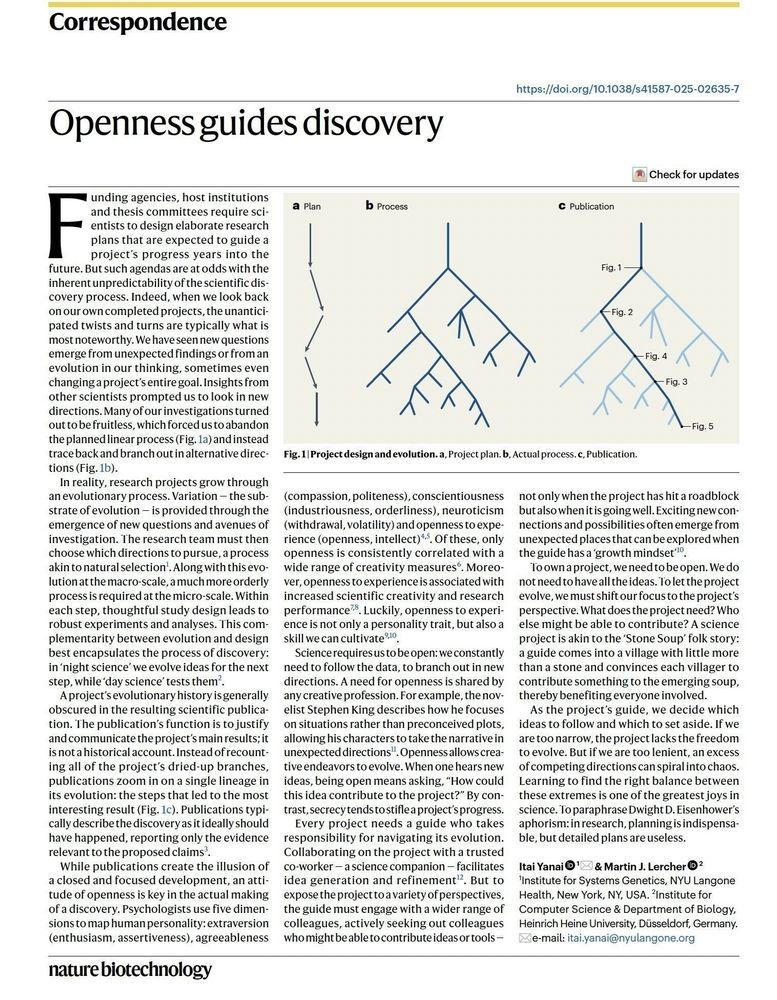
'Night science' is what you do when you're not sure what's the question.
03.07.2025 08:17 — 👍 33 🔁 9 💬 0 📌 2

A painting of a bird next to the words "I'm gonna need a moment to process this bullshit"
15.06.2025 14:08 — 👍 516 🔁 73 💬 2 📌 7

Dream big. Dare to fail. Fuck dull, incremental science.
02.07.2025 14:49 — 👍 3 🔁 0 💬 0 📌 0

Open positions
We are looking for Postdocs!
If you are interested in the lab in general as a postdoc, please feel free to apply with an open application, including a letter of motivation and a CV …
We have several open postdoc positions! We do computational biology 🧬🖥️ and deep learning to understand the genomics of genome instability and (somatic) genome evolution in ageing and cancer. Interested? 👉🏻 more details: tu-dresden.de/cmcb/biotec/...
26.06.2025 09:46 — 👍 9 🔁 6 💬 1 📌 0
YouTube video by Francis Villatoro
Traffic Jam without bottleneck - experimental evidence
Ribosomes on an mRNA molecule are like:
youtu.be/7wm-pZp_mi0?...
26.06.2025 05:52 — 👍 2 🔁 0 💬 0 📌 0
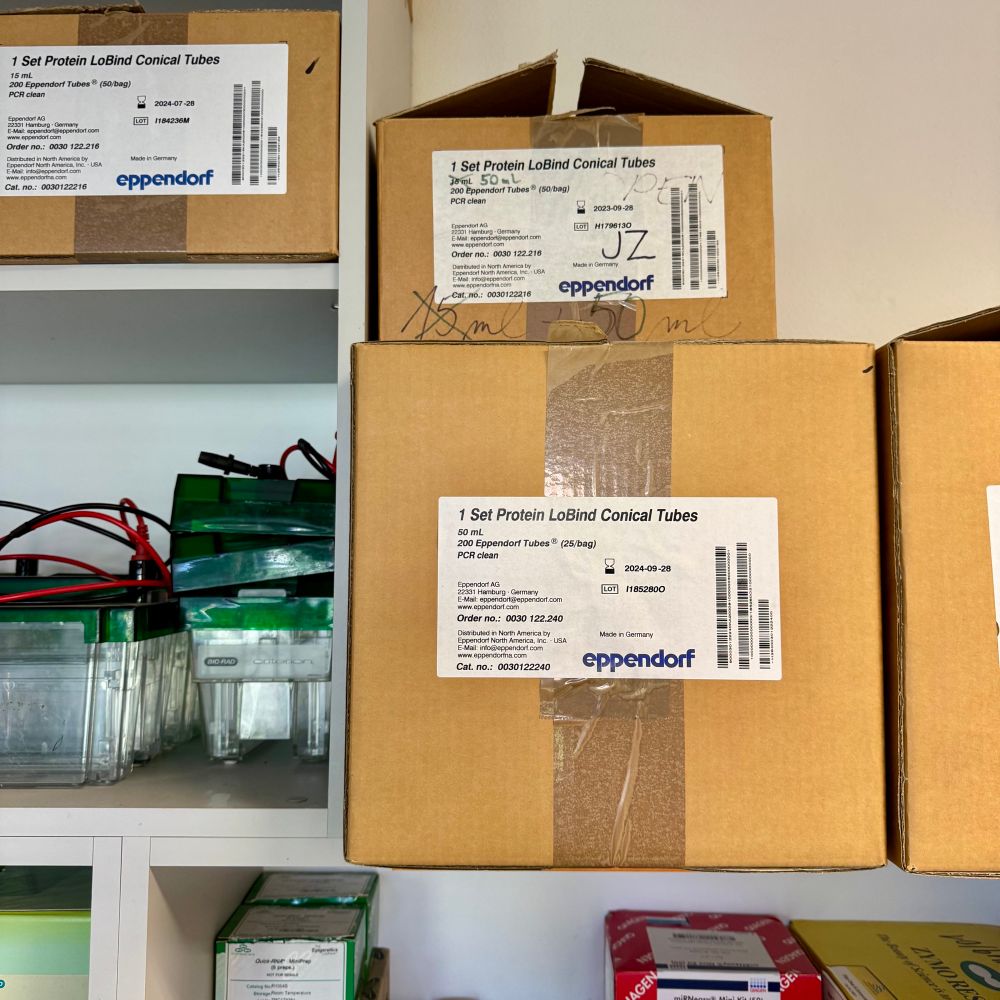
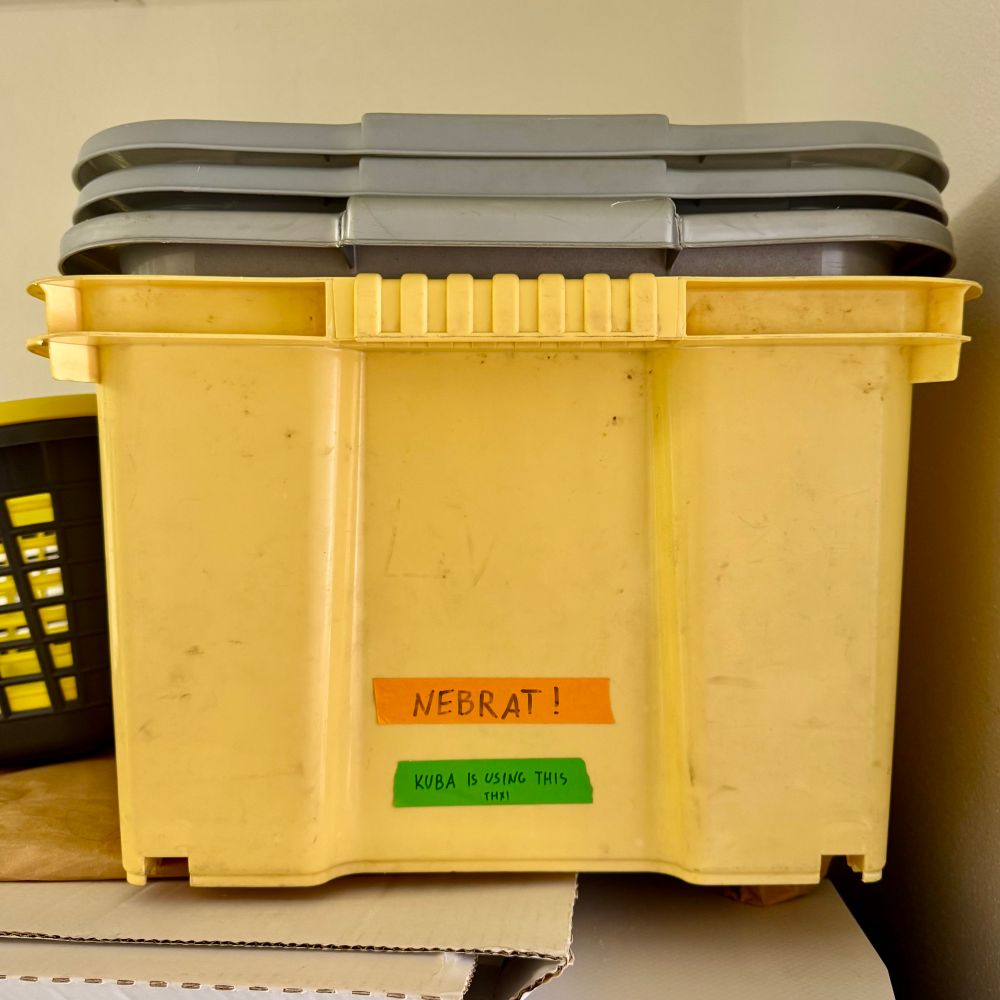
I visited the lab where I did my PhD today. They moved two floors upstairs since I left in 2020, they have got new stuff, many new students and postdocs. Yet, there are still boxes with my name around, and they are about to finish the 3C protease I purified back then. 🧡 #ProteinPutification #eIF3
19.06.2025 15:05 — 👍 4 🔁 0 💬 1 📌 0
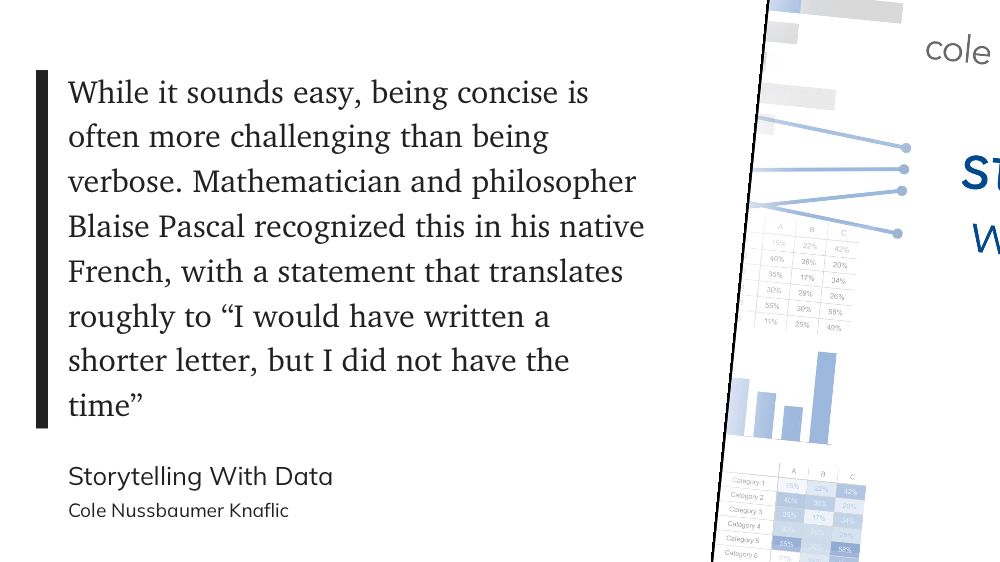 19.06.2025 10:14 — 👍 3 🔁 1 💬 0 📌 0

Every. Time.
17.06.2025 16:09 — 👍 4 🔁 0 💬 0 📌 0
Life is hell sometimes!
17.06.2025 08:45 — 👍 3 🔁 0 💬 0 📌 0
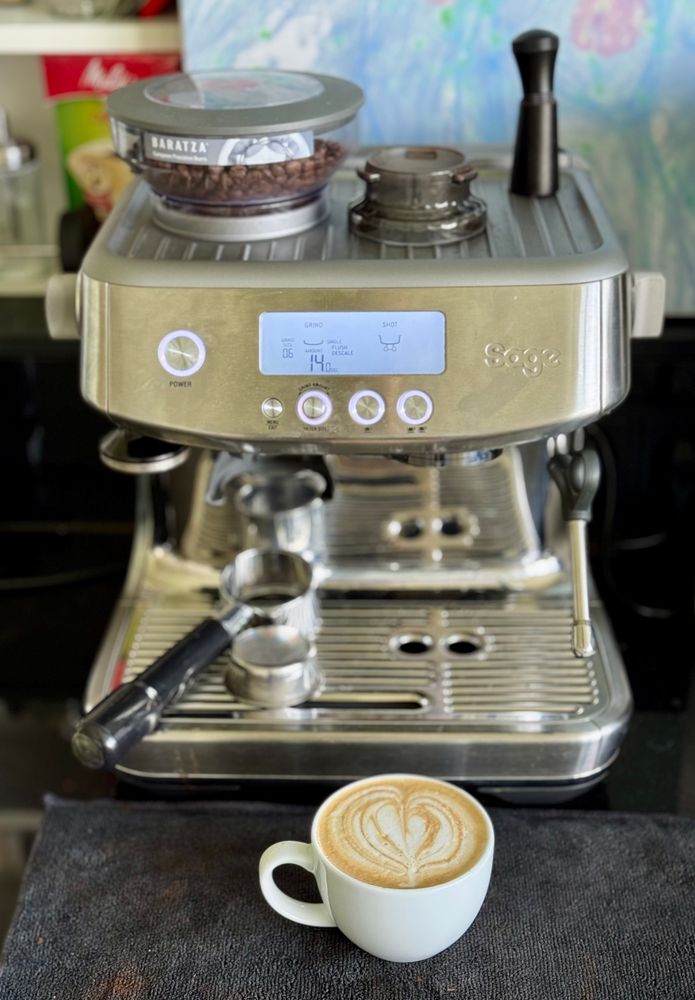
- Return to work after attending #TCTeAC
- Make yourself a cappuccino
- Reflect on all the wonderful things in life
- Clear out those emails and embrace happiness
16.06.2025 10:29 — 👍 12 🔁 0 💬 0 📌 0

The following day after coming back from #TCTeAC
15.06.2025 08:55 — 👍 7 🔁 0 💬 0 📌 0
If any #TCTeAC survivors are staying in Prague tonight or longer, feel free to DM me for recommendations, tricks, and survival tips. Or we can have a last beer together this evening.
#AllRoadsLeadToPub
13.06.2025 12:51 — 👍 6 🔁 1 💬 0 📌 0
😂
13.06.2025 12:45 — 👍 0 🔁 0 💬 0 📌 0
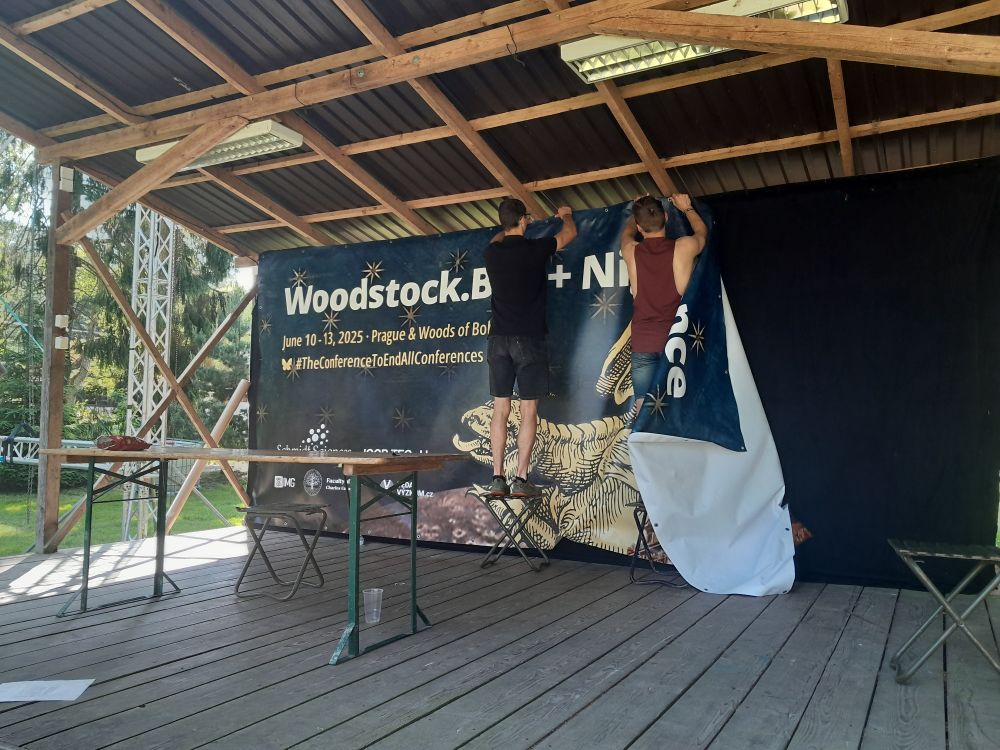
#TCTeAC ... and that was all, folks! Thank you, it was fantastic.
13.06.2025 08:33 — 👍 59 🔁 6 💬 1 📌 1
Postdoc in Stainier Lab @ Max Planck Institute Bad Nauheim - gene expression regulation during embryogenesis - transcription and translation imaging in living embryos
Drosophila/zebrafish
Postdoc researcher in innate immunity. love music & science. living my happily-ever-after with the love of my life.
Computational Biology group located at Universtiy of Würzburg, Germany. We work on #alternative_splicing #RNAmodifications #RNAtransport #RNAstability #RBPs_in_disease #DNAreplication #DNAfragility
RNA biologist at Max Delbrück Center for Molecular Medicine @mdc-berlin.bsky.social @BIMSB_MDC
RNAholic, Scientist, interested in architectural roles, packaging and binding codes
#RNA, #splicing, #condensates
Stem cell/organoid bioengineer modeling CV development@Stanford | Co-Founder@bullseyebio | MD@Cornell, PhD@Stanford, BSME @UTAustin | husband, father, occasional jogger
Black lab dad. Writer and ambient musician. The Dynasty of the Divine coming soon!
www.adamrowan.info
Preorder my book: https://www.amazon.com/Dynasty-Divine-Adam-Rowan-ebook/dp/B0FS3G3WWH/ref
Hematopoietic Stem Cells and Immunology. Doing science with peoples
Research Associate at @institutrb 🧬. Researching into #ComputationalBiology & #Bioinformatics. Passionate about #RegulatoryGenomics & #ComparativeGenomics 🧪. Opinions are my own 🌍.
French bioinformatician, Mexican PhD, salsa dancer, LEGO enthusiast, chronic oversharer.
📍Marseille ☀️
computational biologist. all things genomic. working on cfDNA, cancer genomics, early detection, prenatal testing, epigenetics, transposable elements. building reproducible computational pipelines. seeking academic partners for collaboration.
Researching bio- and physics inspired collective intelligence
Plant biologist interested in stress recovery mechanisms. Postdoc @Ecker-lab @Salk and NIH/NIGMS K99 fellow. #DroughtStress #StressRecovery #PlantScience
Your nasty timer guy at #theconferencetoendallconferences
Average slug enjoyed at @svobodalab.bsky.social
Scientist studying development of embryos and building their models from stem cells. The author of #TheDanceofLife. Warsaw/Oxford/Cambridge/LA.
Phd student focused on Cilia and BBS in https://www.img.cas.cz/group/martina-huranova/
Former undergrad studying Notch and Wnt crosstalk at https://maseklab.org
PhD student | Yassour Lab | Human microbiome
Scientist studying immune system. Interested in obscure antigen presenting cells and their ability to module adaptive immune responses.