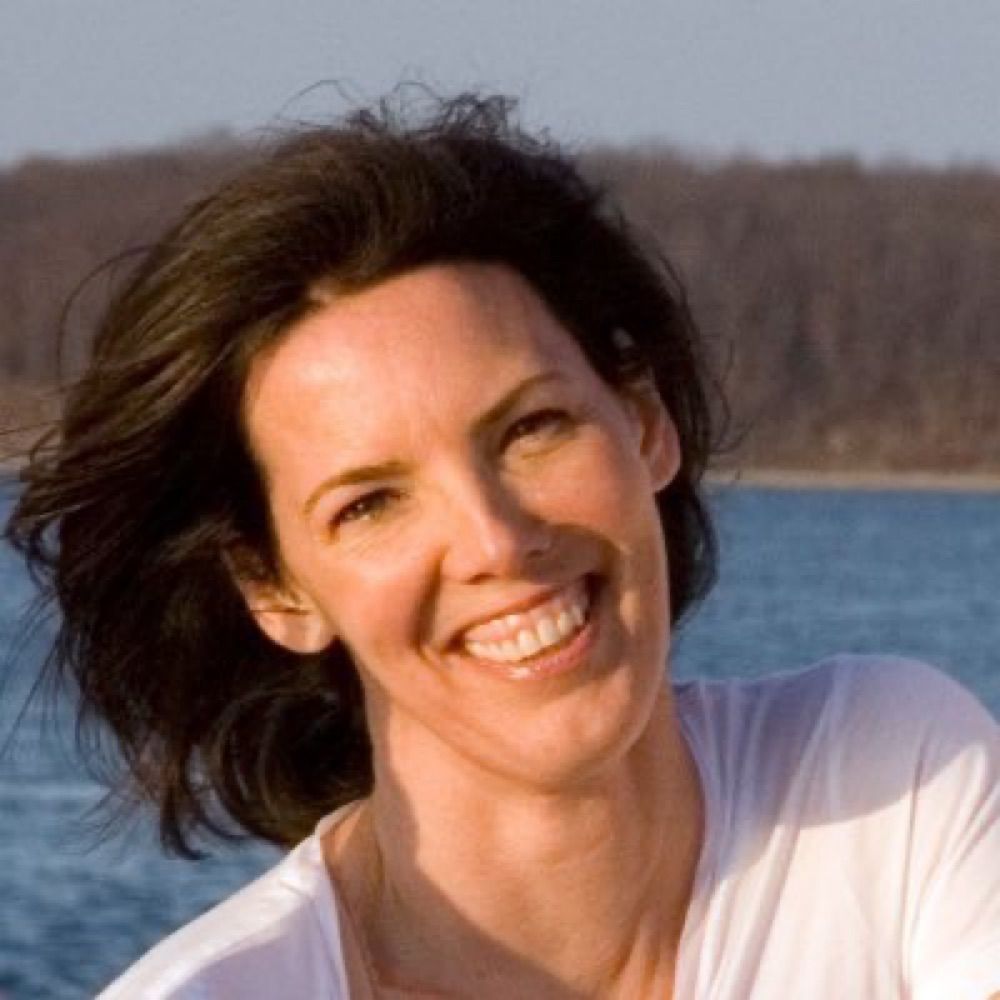
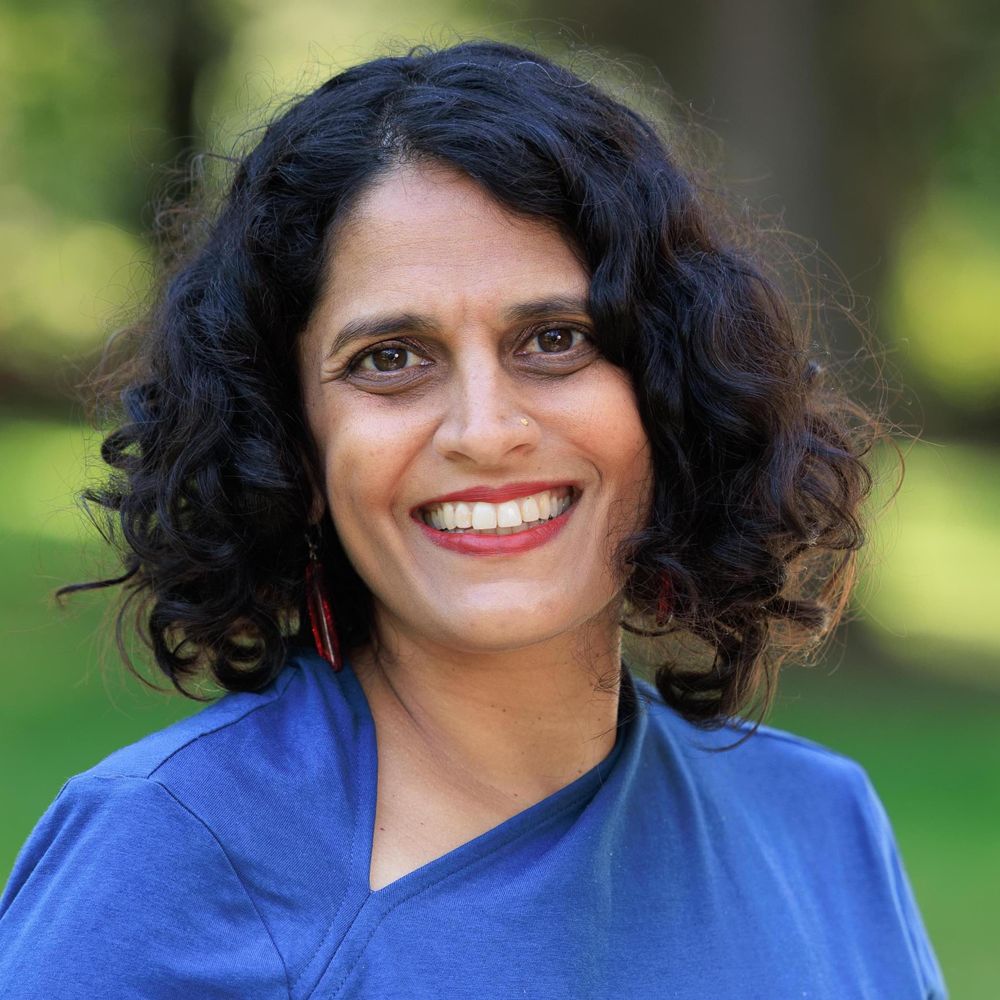
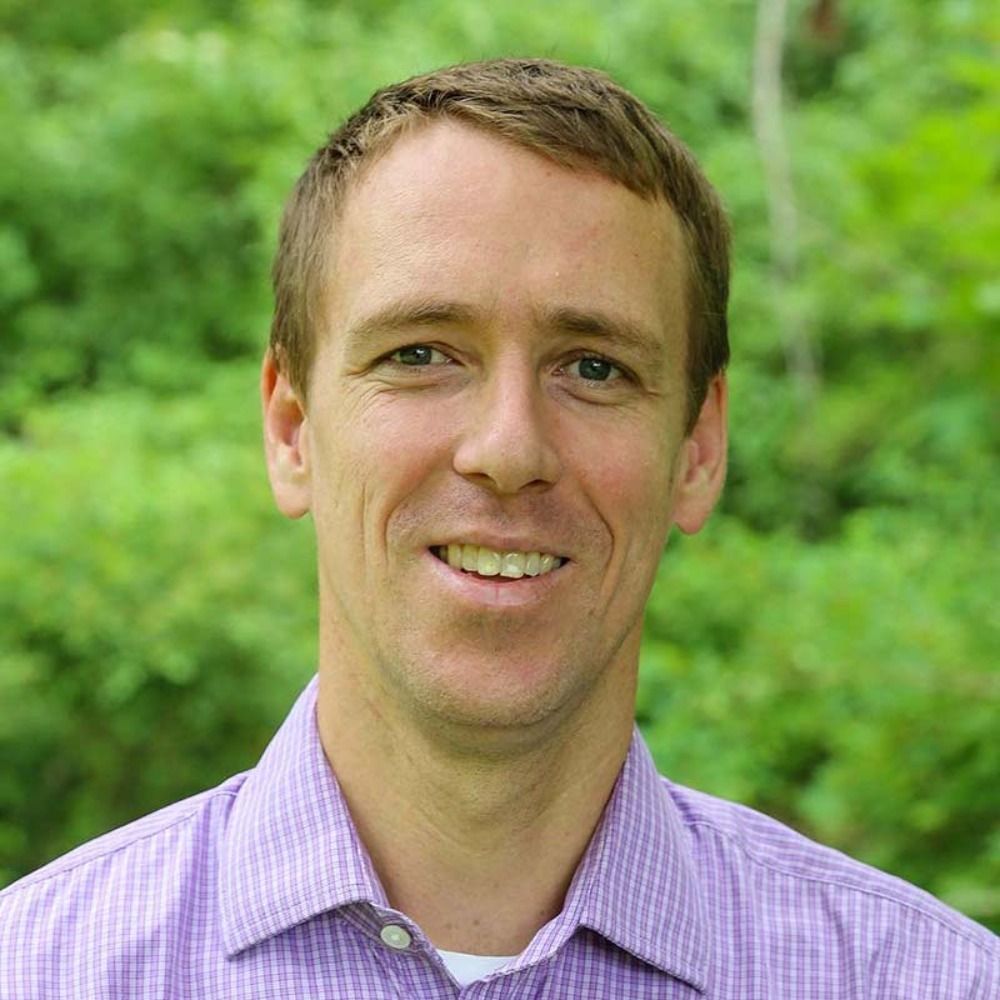
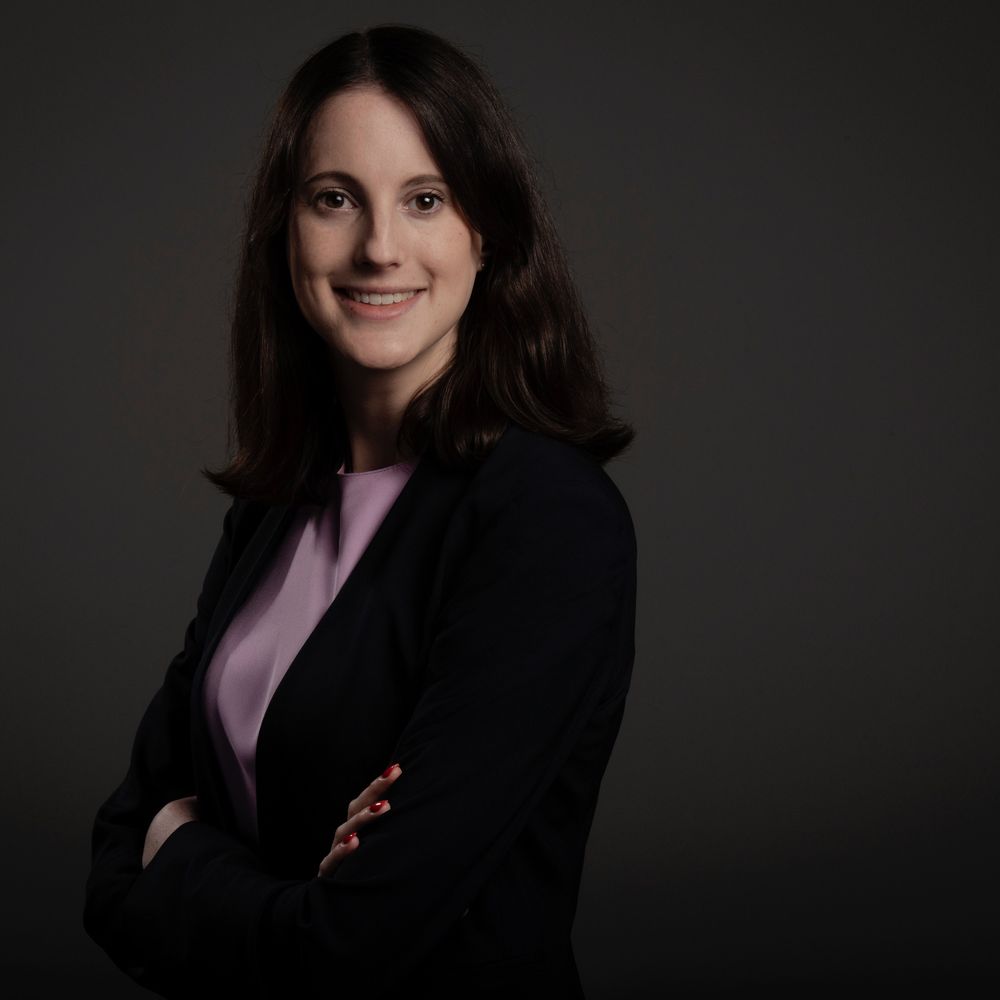
We're launching a Senior Fellows Program to support leading env. health scientists & policy experts in developing & implementing new ideas to reduce chemical harm. Inaugural fellows: Meredith Williams, Joel Tickner, Susan Kegley, Lauren Heine & Arlene Blum greensciencepolicy.org/about/senior...
22.04.2025 20:32 — 👍 6 🔁 1 💬 1 📌 0

High Potential Harm, Questionable Fire-Safety Benefit: Why Are Flame Retardants in Lithium-Ion Battery Enclosures?
🚨As dangerous lithium-ion battery fires are on the rise, regulators and manufacturers are scrambling for solutions. Unfortunately, one common strategy may cause serious health harm and not work to slow or stop the fires. See new viewpoint: pubs.acs.org/doi/10.1021/...
28.01.2025 18:32 — 👍 2 🔁 1 💬 1 📌 0

Chip Manufacturing Shortcuts Harm Our Health And Environment
Though PFAS and other harmful chemicals are common in chipmaking, Congress voted to exempt many federally funded chips manufacturing projects from environmental review.
New article by Arlene Blum in @forbes.com: "Lawmakers can find ways to implement community protections and incentivize innovation away from #PFAS and other harmful chemicals used in chipmaking. The U.S. can’t build a clean energy future on a dirty foundation." www.forbes.com/sites/arlene...
17.12.2024 17:31 — 👍 9 🔁 4 💬 0 📌 0

Is Clean Energy Powered By Dirty Batteries?
Though lithium-ion batteries are a linchpin of the clean energy transition, they're made with harmful chemicals. The good news is that many of these chemicals are replaceable.
"As we embrace the technologies that can lead us out of the fossil fuel era, we must also ensure that our path forward does not leave a trail of toxicity in its wake. The clean energy revolution should not exchange one form of environmental harm for another." www.forbes.com/sites/arlene... #PFAS
09.12.2024 20:25 — 👍 3 🔁 1 💬 0 📌 0
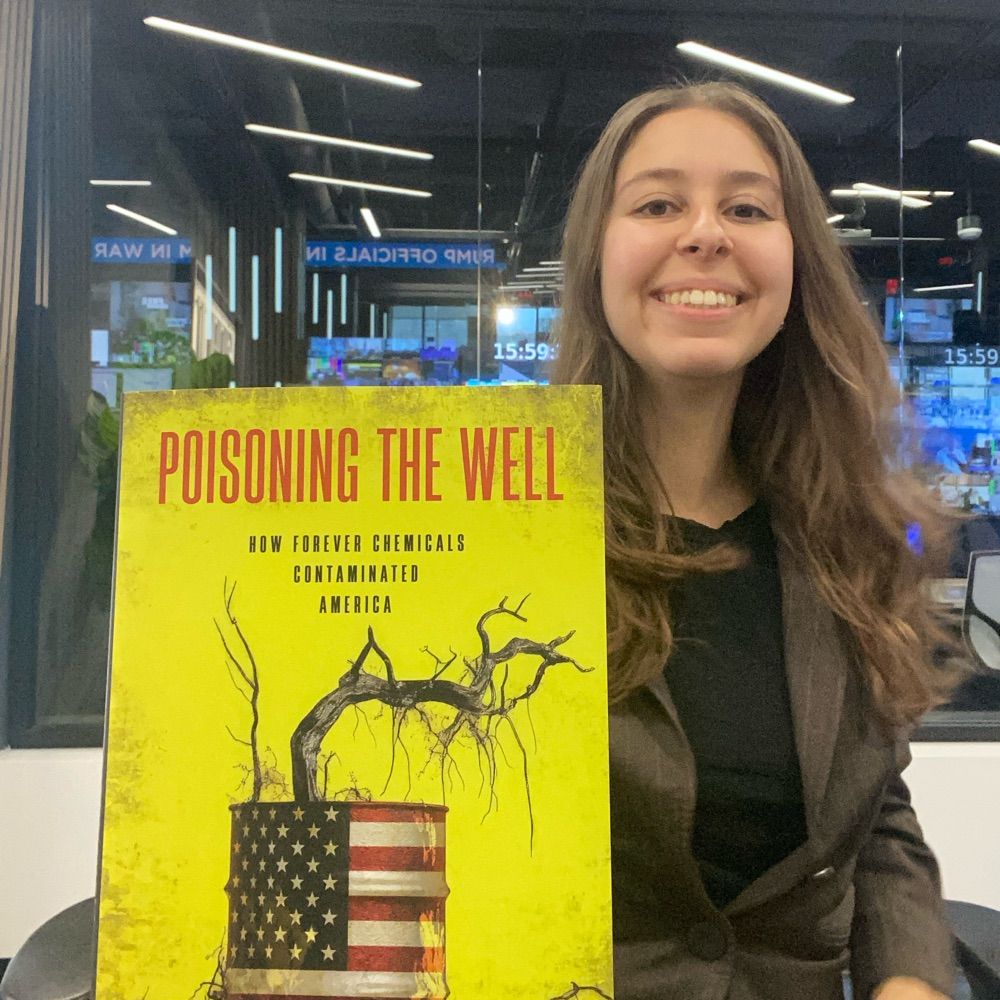
Energy/Environment/Climate reporter at The Hill | co-author of a book on 'forever chemicals' (PFAS): islandpress.org/books/poisoning-well | last name pronounced like raisin | email: rfrazin@thehill.com | Signal: rachelF.70
We are a national alliance of environmental health organizations & coalitions working to protect people from toxic chemicals, and to ensure the availability of safer solutions for a healthier world. 🌎 💚
saferstates.org
Associate Director at Science Communication Network
www.sciencecommunicationnetwork.org
Maintains a large network of researchers in #EnvironmentalHealth to get their peer-reviewed science in the hands of the media and impacted communities.
Reporter covering chemicals, climate, cool plants. Author of THE LIGHT EATERS, a plant book, out from Harper Books. I'm zoeschlanger.99 on Signal
Climate change + human health reporter @Grist. Opinions expressed here belong to my mom.
Signal: zoyateirstein.58
Anti Nazi, anti coup! Parent to people, puppy and plants.
Currently writing An Intimate History of Plastics (Scribner, Spring 2027)
Brown Institute for Environment and Society
Words in Orion | The Atlantic | Science 📚
Chatty re: env history of plastic & #creativenonfiction
https://rebecca-altman.com
Environmental reporter at ProPublica. Brooklynite. Fan of nature, facts, pie
Environment editor at The Guardian
Send info confidentially via Signal: dpcarrington.35
Or via this link👇
https://www.theguardian.com/tips
Transforming the marketplace away from toxic chemicals and plastics that harm our health and environment.
Fighting for a toxic-free future for all.
Senior Director of Programs and Strategy for Toxic-Free Future - ToxicFreeFuture.org
Opinions my own
The Food & Environment Reporting Network (FERN) produces independent, non-profit journalism at the intersection of food, agriculture, and the environment.
Climate/environment reporter at ProPublica. Cartoon me by Laila Milevski. Pro-cats, anti-carrots. Contact: lisasong.42 on Signal
Health and environment comms and policy changemaker working to protect public health and the planet. #climate #health #resist
Associate Professor, Envr Health Sciences, Columbia University Mailman School of Public Health
Founding Director: @agentschangeej.bsky.social
Creating impact through disruptive innovation in environmental health sciences, justice, policy, scicomm
science, coffee, art, science, kids
PhD Chemistry
views my own
Science Investigations Team @ EWG.org
Climate and environmental reporter for @nytimes.com, cat mom, and baker. Send me tips on Signal at MaxineJ.55
Environment reporter @BostonGlobe.com | Professor @COMatBU | Director of www.inthewhalefilm.com, www.inundationdistrict.com, www.entangled-film.com, www.lobsterwar.com, www.gladesmenfilm.com, etc. | Former fellow @Niemanfdn | More: www.davidsabel.com.
I run HEATED, a weekly-ish newsletter devoted to climate accountability reporting and opinion. Philly-based. She/her.
📧: emorwee@proton.me
Signal: @emorwee.06
 31.07.2025 18:09 — 👍 0 🔁 1 💬 0 📌 0