So glad to have gotten to work with Matt and the Bulletin team again - looking forward to hearing folks’ thoughts!
12.12.2025 15:44 — 👍 1 🔁 0 💬 0 📌 0
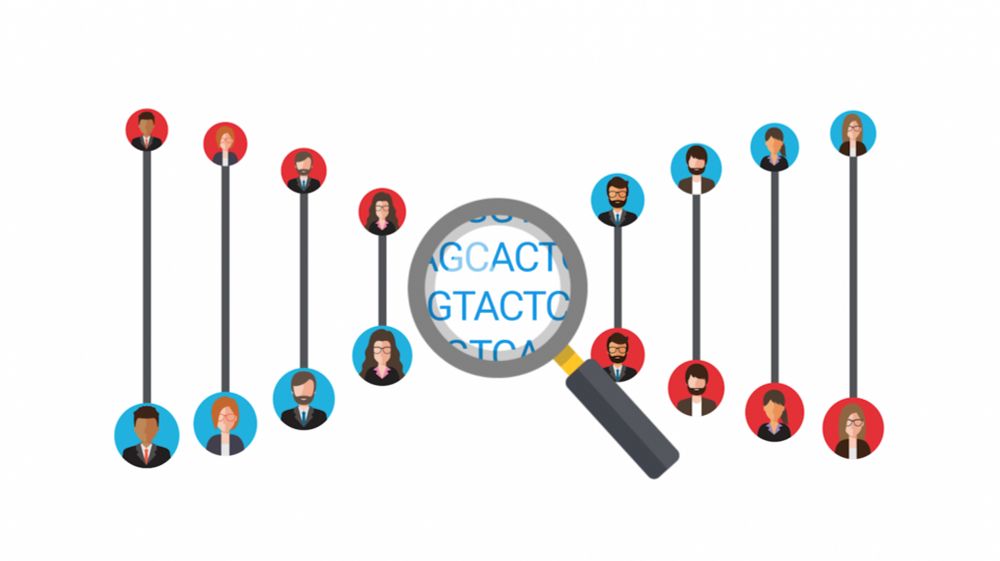
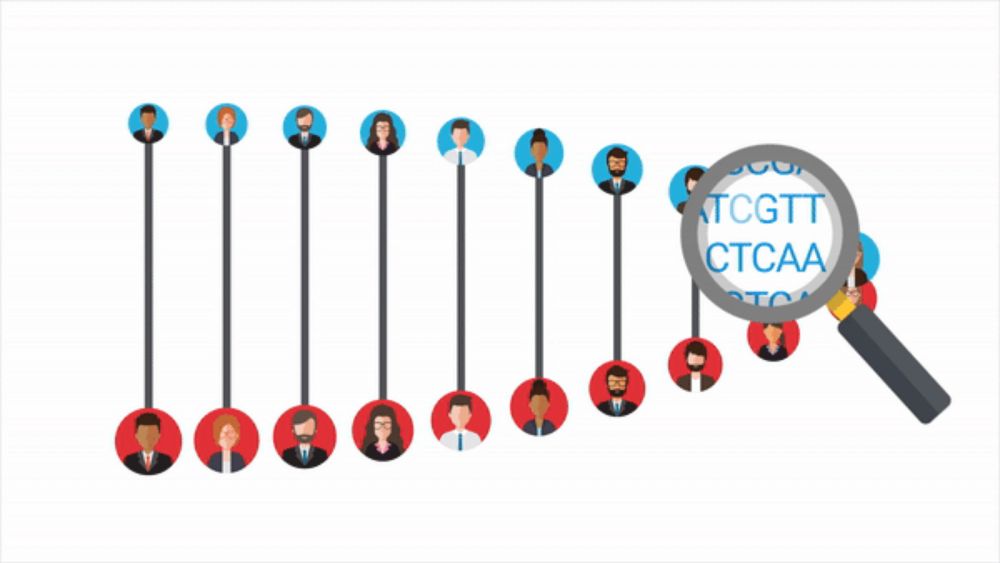
How to stop bioterrorists from buying dangerous DNA
The companies that sell synthesized DNA to scientists need to screen their customers, lest dangerous sequences for pathogens or toxins fall into the wrong hands.
Focusing on bio, one provision is a federal funding requirement for DNA synthesis screening- a useful tool in the toolbox for limiting biological risk.
Check out @stephbatalis.bsky.social and I's piece breaking down the kind of decisions screeners have to make: thebulletin.org/2025/04/how-...
25.07.2025 14:26 — 👍 2 🔁 1 💬 1 📌 0
Antimicrobial resistance is a huge issue and an oft-forgotten killer. It kills more people each year than HIV/AIDS or malaria.
This article is fascinating- it points out that while much of the AMR prevention discussion focuses on overuse of antimicrobials, underuse can also be a major issue.
02.06.2025 13:24 — 👍 8 🔁 2 💬 1 📌 0
Amidst all the discussion about AI safety, how exactly do we figure out whether a model is safe?
There's no perfect method, but safety evaluations are the best tool we have.
That said, different evals answer different questions about a model!
28.05.2025 14:31 — 👍 8 🔁 3 💬 1 📌 0
"Red-teaming" isn't a catch-all term (or methodology!) to evaluate AI safety. So, what else do we have in the toolbox?
In our recent blog post, we explore the different questions we can ask about safety, how we can start to measure them, and what it means for AIxBio. Check it out! ⬇️
28.05.2025 15:03 — 👍 5 🔁 3 💬 0 📌 0
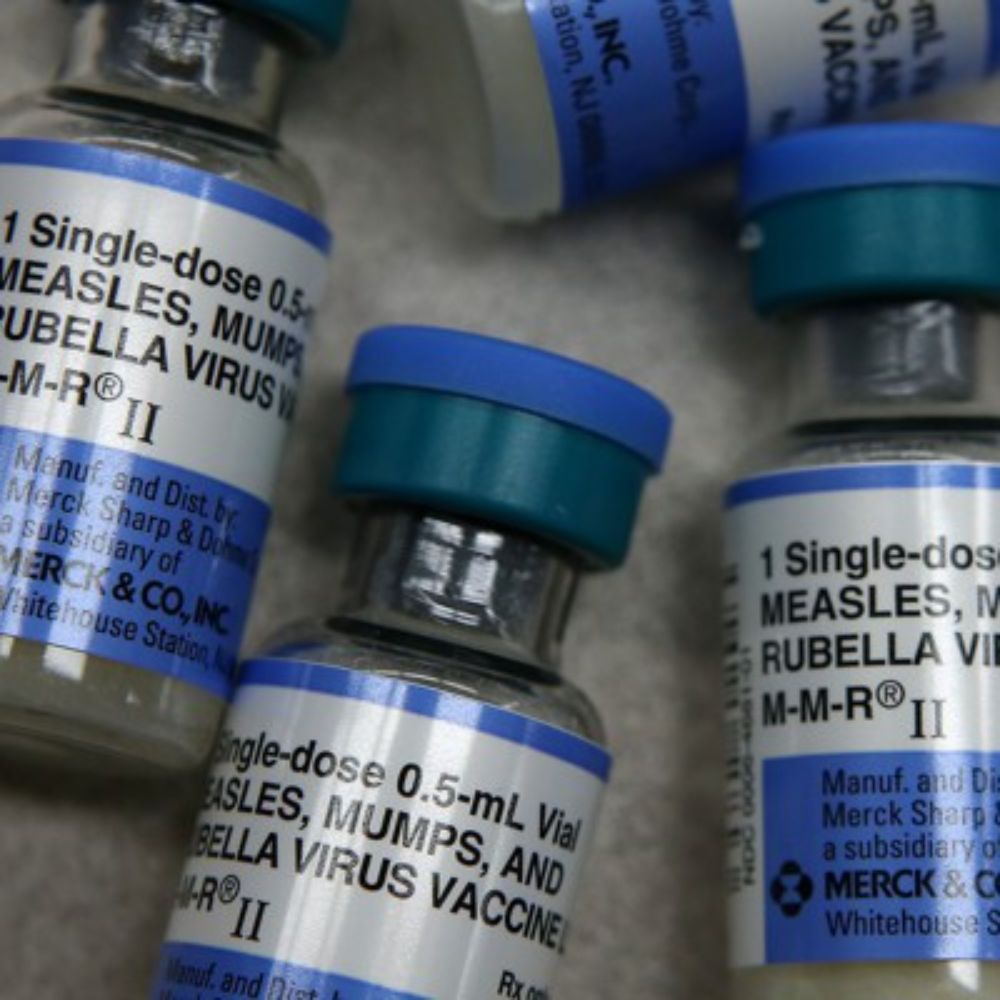
America’s response to measles is eroding its ability to deter biological attacks
The rising death toll for a preventable disease reveals just how ill-prepared the country is to handle a malicious bioweapon.
As I wrote in Defense One, "Dismantling critical preparedness offices, cutting infrastructure and funding, and allowing misinformation to derail the response are not just bad for healthcare—they’re dangerous national security signals." www.defenseone.com/ideas/2025/0...
16.05.2025 15:46 — 👍 0 🔁 0 💬 0 📌 0
News like this isn't just a concern for public health practitioners - it should also be a big red flag for U.S. national security folks.
America's biodefense strategy uses robust health infrastructure to deter bad actors. Right now, we're tearing down our own defenses so adversaries don't have to.
16.05.2025 15:46 — 👍 2 🔁 1 💬 1 📌 0
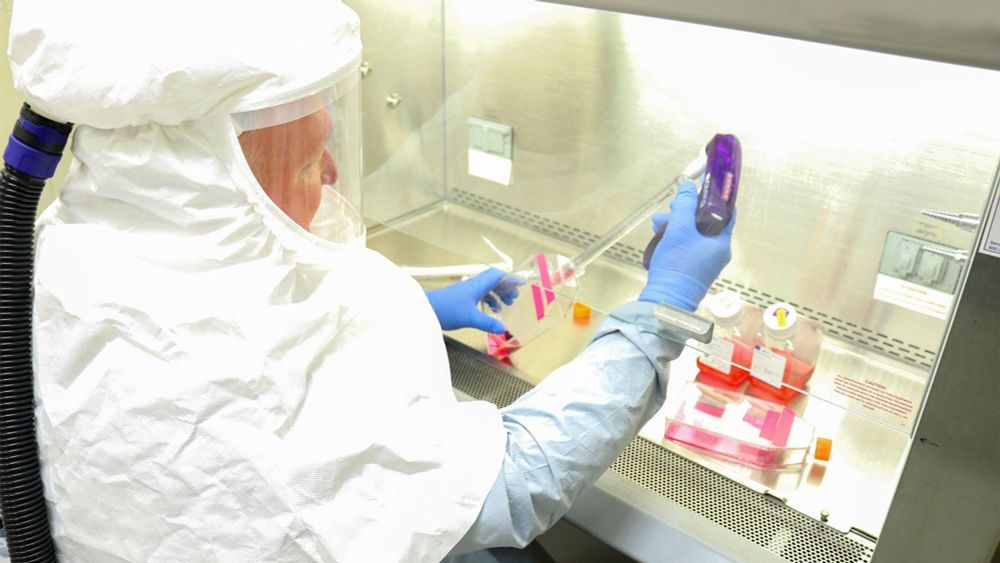
Trump's Gain-of-Function Order Prompts Questions
It comes as another guidance was set to take effect
A Trump executive order calls for putting an end to "dangerous gain-of-function research" -- prompting experts to share concerns about its potential impact on infectious disease research. @stephbatalis.bsky.social @raz524.bsky.social
www.medpagetoday.com/special-repo...
12.05.2025 16:18 — 👍 0 🔁 1 💬 0 📌 0
This has only become more relevant in the past week. Research cuts, new hurdles for vaccine trials, and tariffs on key medical countermeasures aren’t just risking Americans' health—they’re dismantling U.S. biodefense so our adversaries don’t have to.
@defenseone.bsky.social
08.05.2025 14:45 — 👍 1 🔁 0 💬 0 📌 0
The Pandora Report is easily one of my favorite newsletters right now. A great one-stop shop for timely health + biosecurity policy news, especially with too many “Breaking News” alerts flying around fight now to follow. Plus, it always sends me down rabbit holes with great links. Highly recommend.
08.05.2025 14:38 — 👍 1 🔁 0 💬 1 📌 0
To be very clear: the U.S. should prioritize public health for its own sake. Every person deserves access to systems that protect them from preventable disease.
But it’s also true that national security depends on a strong public health foundation to detect, contain, and treat dangerous outbreaks.
01.05.2025 19:11 — 👍 0 🔁 0 💬 0 📌 0
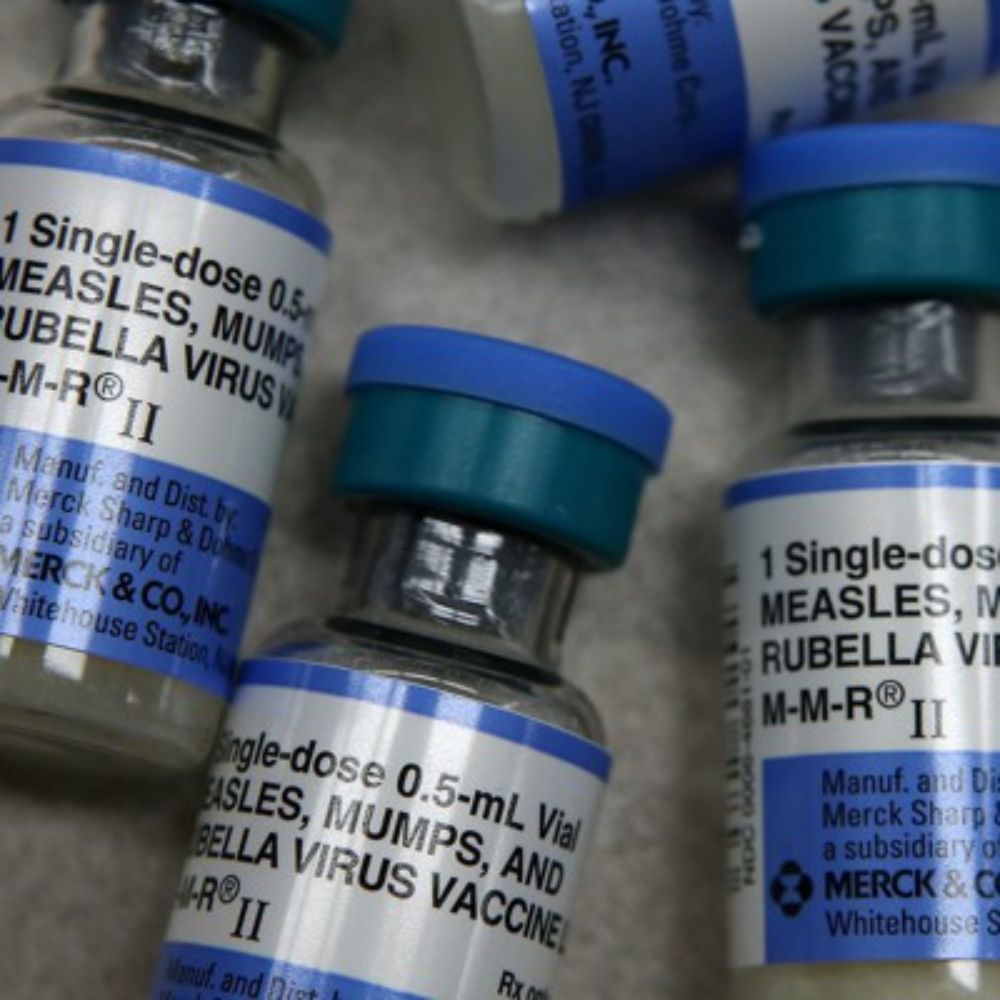
America’s response to measles is eroding its ability to deter biological attacks
The rising death toll for a preventable disease reveals just how ill-prepared the country is to handle a malicious bioweapon.
🚨 Latest op-ed is out in Defense One!
“Dismantling critical preparedness offices, cutting infrastructure and funding, and allowing misinformation to derail the response are not just bad for healthcare—they’re dangerous national security signals.”
www.defenseone.com/ideas/2025/0...
01.05.2025 19:06 — 👍 4 🔁 3 💬 1 📌 1
Thanks for sharing, Emmy!
01.05.2025 00:03 — 👍 0 🔁 0 💬 0 📌 0
In our latest piece for @thebulletin.org, @vikramvenkatram.bsky.social and I put YOU, the reader, in the shoes of a 🧬DNA synthesis provider🧬 to demonstrate how much tougher customer screening is than it may seem, and why guidance would be helpful for providers trying to make tricky decisions.⬇️
07.04.2025 14:54 — 👍 4 🔁 1 💬 0 📌 0
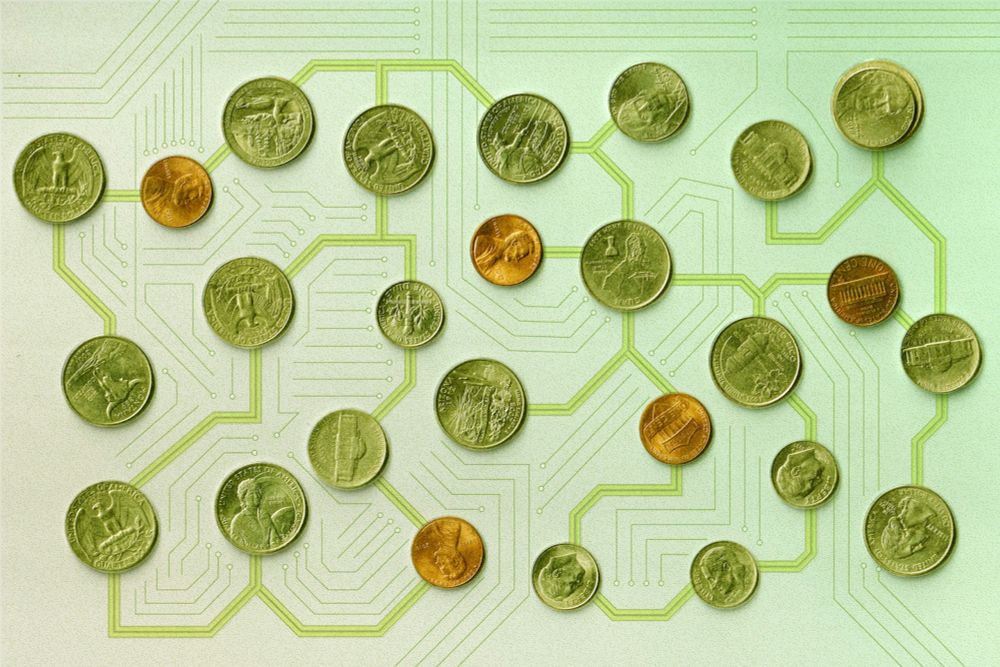
Opinion | Funding for R&D isn’t a gift to academia
Investing in scientific research and development is vital to U.S. security.
NEW: Sen. Todd Young (R-Ind.)& Trump's former NatSec Advisor Matt Pottinger make the case that funding for scientific R&D isn't a gift to academia. It's vital to U.S. national security, as China, the United States' primary strategic adversary, is already investing heavily in R&D.
shorturl.at/PgUK0
30.03.2025 23:27 — 👍 773 🔁 237 💬 29 📌 42
Not only this, but most of the NIH research was to ID biological targets/causes of disease rather than direct drug development—work that often isn't in the domain of the private sector. Cutting federal funding would mean less of the foundational science that makes future breakthroughs possible.
01.04.2025 16:04 — 👍 2 🔁 0 💬 0 📌 0
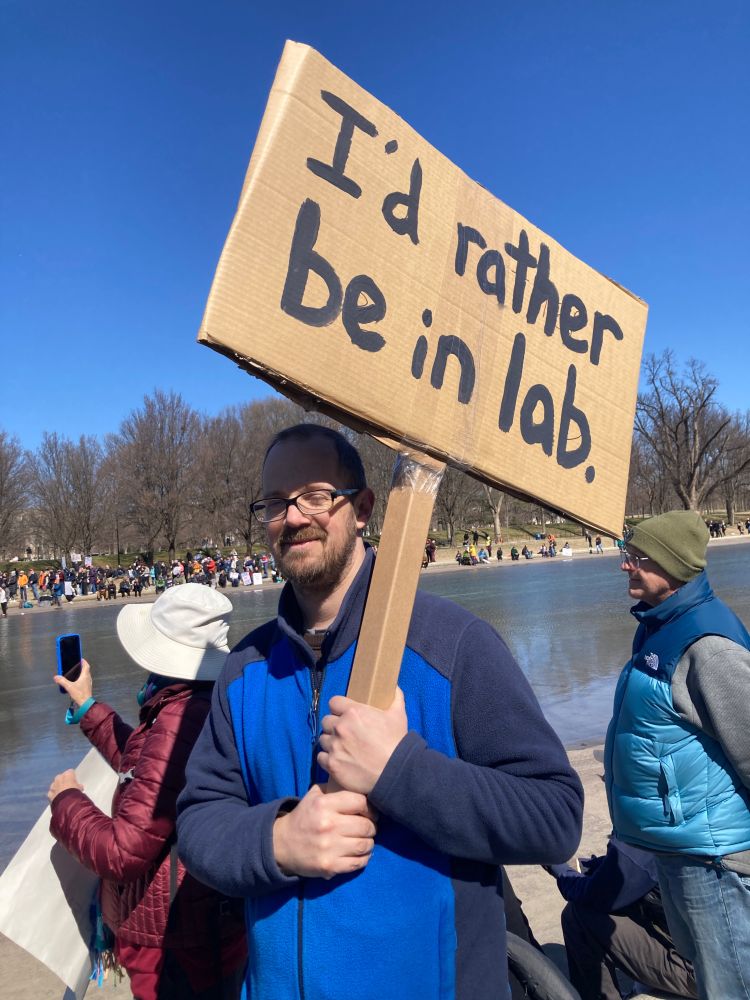
A white man in a blue jacket holds a sign that reads “I’d rather be in lab”
A beautiful day and the scientists just wanna science, man.
07.03.2025 18:53 — 👍 382 🔁 42 💬 2 📌 0
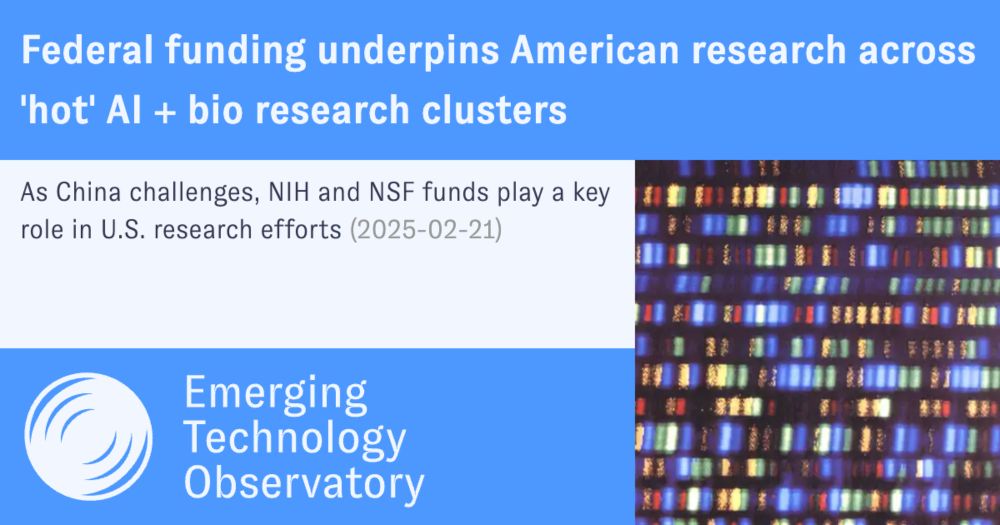
Federal funding underpins American research across 'hot' AI + bio research clusters – Emerging Technology Observatory
As China challenges, NIH and NSF funds play a key role in U.S. research efforts
TLDR: We can’t try to gain global leadership *and* destabilize our NIH/NSF funding edge.
We aren’t just at risk of losing out on essential scientific advances. The global leader also gets to set global norms, shape future tech, and a HUGE economic advantage.
eto.tech/blog/federal...
25.02.2025 20:56 — 👍 1 🔁 0 💬 0 📌 1
I was asked on a panel yesterday what keeps me up at night: It’s this.👇 Even though my day job is to think about bioweapons + bad actors, THIS is what has me fearful. The long tail of this could undermine bio/med innovation, public health infrastructure, and the economies built on them for decades.
21.02.2025 15:23 — 👍 7 🔁 3 💬 0 📌 0
At a time of intense global competition, reducing funding to NIH and NSF isn’t just a budget issue. It’s a strategic misstep that could undermine U.S. influence in biotech and AI for decades.
Read more in my recent post with CSET's ETO👇
21.02.2025 15:12 — 👍 0 🔁 0 💬 0 📌 0
Overall, Evo 2 has captured well-deserved attention. It has me excited to see what's next in the AIxBio space...and curious about how AIxBio policy will continue to evolve with new cutting-edge advances.
20.02.2025 22:14 — 👍 0 🔁 0 💬 0 📌 0
3. NVIDIA’s announcement simply calls Evo 2 a "foundation model," highlighting bio/policy/developer differences on shared terminology. To a biologist, Evo 2's range *is* broad-purpose. If policies aren't meant to capture bio AI, that needs to be explicitly stated in the regulatory language.
20.02.2025 22:14 — 👍 0 🔁 0 💬 1 📌 0
2. Even without the EO, Evo 2’s team addressed biosecurity - mainly by removing viruses that infect eukaryotes from training data. However, those sequences could be re-added since the model is open-source, and it's unclear whether they red-teamed other biological threats like bacteria or toxins.
20.02.2025 22:14 — 👍 0 🔁 0 💬 1 📌 0
1. With the Biden EO on AI now revoked, Evo 2's massive size would have triggered the EO’s reporting requirements. Trained with an estimated 2.25 x 10^24 FLOPs, it far exceeds the EO’s 10^23 threshold for biological models. But now, no such obligation exists.
20.02.2025 22:14 — 👍 0 🔁 0 💬 1 📌 0
Evo 2's release yesterday isn’t just impressive (though it is!)—it’s also making waves in the AIxBio policy space as the largest fully-open biological AI model to date. 🧬
⬇️Here are a few policy implications I’ll be keeping an eye on:
20.02.2025 22:14 — 👍 2 🔁 1 💬 1 📌 0
I cover digital threats for NBC News. Tip me! @kevincollier.01 on signal, kevin.collier@nbcuni.com. NYC, from West Virginia.
Computational disease ecologist. Executive Director of @ropensci.org. Co-founder of https://grant-witness.us/. Brooklynite. One Health, open science, #RStats, cities, civics, bikes, fun, love, progress + justice. he/him
Co-founder of Grant Witness: https://grant-witness.us
Epidemiologist. Attorney. Social, legal, and environmental determinants of health.
On Signal: sdelaney.84
CEO of Coefficient Giving
Executive Director, Good Science Project
Deputy Director & Fellow @korea.csis.org
- China's Weaponization of Trade: https://shorturl.at/X3yPG
- Koreanists starter pack: https://go.bsky.app/U3Nm5FX
- Personal website: andysaulim.com
- Moonlighting at @citylightsofchina.bsky.social
I cover infectious diseases for STAT (www.statnews.com). 2020 Polk winner. Nieman '11. She/her. I write about H5N1 (in all species), Covid, polio, flu, Ebola, RSV, mpox, STIs. Find me on Signal: HBranswell.01
Coalition for Epidemic Preparedness Innovations (CEPI). Working to end epidemics & pandemics by developing new vaccines for a safer world. #100DaysMission
Director of the Office of Biological Technologies of DARPA
I research, teach, and write about about the causes and consequences of the proliferation of nuclear, biological, chemical, and radiological (CBRN) weapons to states and terrorists. Views are my own.
Proud Dad to Gabriele and Isabella. Professor and Senior Advisor, Pandemic Center, Brown University.
Director @bsph-chs.bsky.social
Epidemics, public health, biosecurity, policy, and preparedness.
LinkedIn: https://www.linkedin.com/in/tom-inglesby-93b51582/
WMD, AI, nuclear energy, and emerging tech expert, fiction author, award-winning artist, screenwriter, dog lover, https://www.natashabajema.com
*Personal views here*. Senior PSM @ U.S. Senate | Forever science diplomat, AAAS STPF alum, Tar Heel, aspiring chef, avid reader, globetrotter, space nerd. Views=mine; RT/F≠E
Epidemiologist 🦠 Biosecurity Advisor ☣️ Chief Biopreparedness Officer NYC Health + Hospital 🏥 Faculty Boston Uni CEID & NETEC 🧬 Fellow Harvard Belfer Center 🎥On Netflix, Discovery & History Channel 📝Write for NY Academy of Sciences
NTI | bio Vice President, biophysicist. Working to strengthen biotech governance, biosecurity & pandemic preparedness. Formerly US Health & Human Services and Dept of Defense, Federation of American Scientists, Chatham House, Open Phil, UC Berkeley
Infectious disease epidemiologist & global heath security strategist | GHSN CEO |UMB Asst Prof working in pandemic prep, biosurveillance, One Health, AMR, BW & biosecurity. ELBI & CFR ☣️
Biopreparedness & biothreat guru - movie aficionado. Views=my own
Senior policy advisor, US National Security Commission on Emerging Biotechnology. Also STS researcher working on experiments in governing the line between science and tech that helps and harms. Tweets (or whatever we call them here) are my own.
Striving for a safer world since 1945
science policy | nuclear weapons | clean energy | STEM education | artificial intelligence | data privacy | much much more
Epidemiology and global health security policy.
thepandemiccenter.org