So excited to share our new preprint!
We used meta-transcriptomics and multiplex imaging to identify disease-specific signatures in liver tissues. We also detected viral signatures and immune activation pathways in seronegative hepatitis (SNH) patients.
#Autoimmune_hepatitis
#Seronegative_hepatitis
13.11.2025 17:05 — 👍 2 🔁 1 💬 0 📌 0

Workshop Info
Hands-on stable isotope workshops across Australia.
If you’re interested in gaining practical experience with the use of stable isotopes and related equipment in plant and environmental science, I can recommend the SIBS workshop (30 Jan – 6 Feb 2026, Uni of Sydney, Australia).
Details: www.bioisotopesworkshop.com/workshop-info/
10.11.2025 00:44 — 👍 0 🔁 0 💬 0 📌 0
**Please Repost**
Pallavi Singh Lab is looking for two Postdocs to join our team studying how plants balance carbon, water, and resilience in a changing climate.
PlantPlug PDRA: vacancies.essex.ac.uk/tlive_webrec...
REVOLUTION PDRA: vacancies.essex.ac.uk/tlive_webrec...
Deadline: October 15.
04.10.2025 11:20 — 👍 34 🔁 44 💬 0 📌 0

Professor Susanne von Caemmerer FRS and Professor Graham Douglas Farquhar FRS are jointly awarded the Royal Medal (Biological) 2025 for refining the ways we monitor and model photosynthesis in leaves from molecular to global scales. #RSMedals https://royalsociety.org/medals-and-prizes/royal-medals/
28.08.2025 10:30 — 👍 49 🔁 18 💬 1 📌 3

Flash talks at the New Phytologist Next Generation Scientists 2025 event at the University of Birmingham, UK!
Sharing insights on mesophyll conductance—how shifts in liquid-phase diffusivity shape gas exchange.
@newphyt.bsky.social
@unibirmingham.bsky.social
05.08.2025 03:45 — 👍 11 🔁 1 💬 0 📌 0

Preprint with @lucascernusak.bsky.social, @florianabusch.bsky.social and Graham Farquhar!
We show that mesophyll cell water status is the key signal regulating non-stomatal control of transpiration. We introduce a mechanistic model linking plant hydraulics and gas exchange.
doi.org/10.1101/2025...
13.07.2025 07:03 — 👍 32 🔁 7 💬 0 📌 0
🌱 The first issue of Plant Ecophysiology is out!
Chief Editor Jaume Flexas shares his vision for the future of plant science publishing—and how Plant-Environment Interactions is leading the way.
A standout feature? Reviewers are paid for their work.
Editorial: media.sciltp.com/articles/250...
19.06.2025 01:25 — 👍 18 🔁 11 💬 0 📌 0
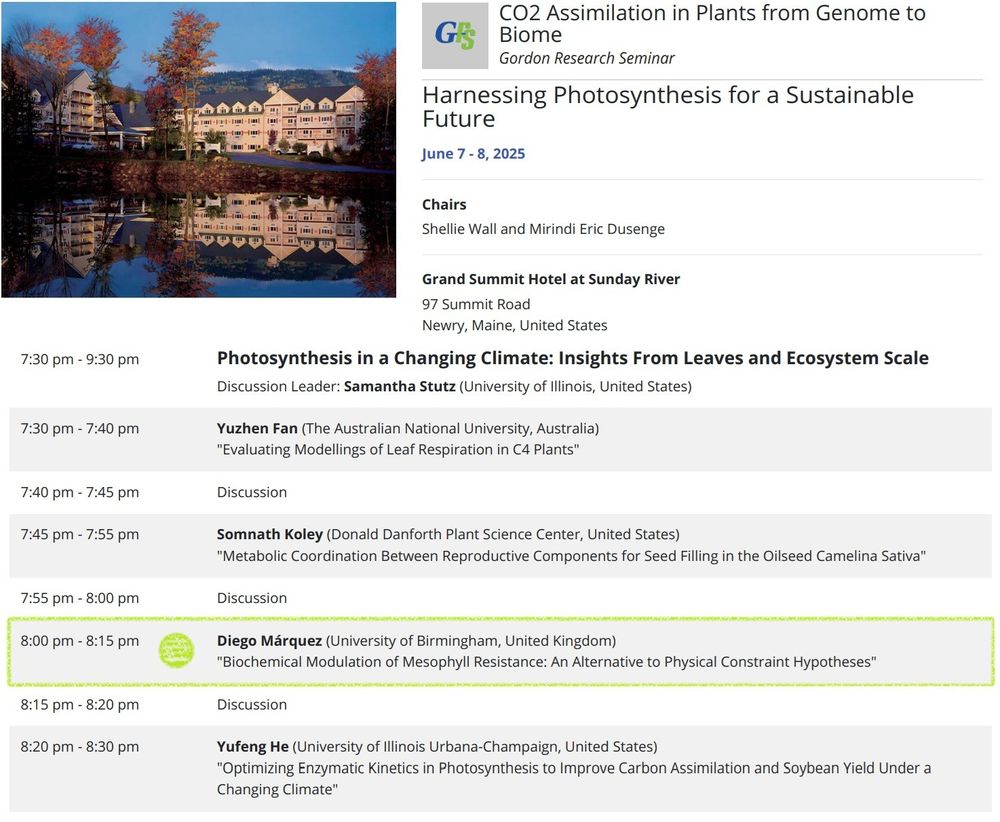
Very excited to present our research on “Biochemical Modulation of Mesophyll Resistance” at the Gordon Research Seminar in June. Many thanks to the organisers for the opportunity.
Looking forward to discussing mesophyll conductance and photosynthesis with everyone at the meeting in Newry!
09.05.2025 16:32 — 👍 5 🔁 1 💬 0 📌 0
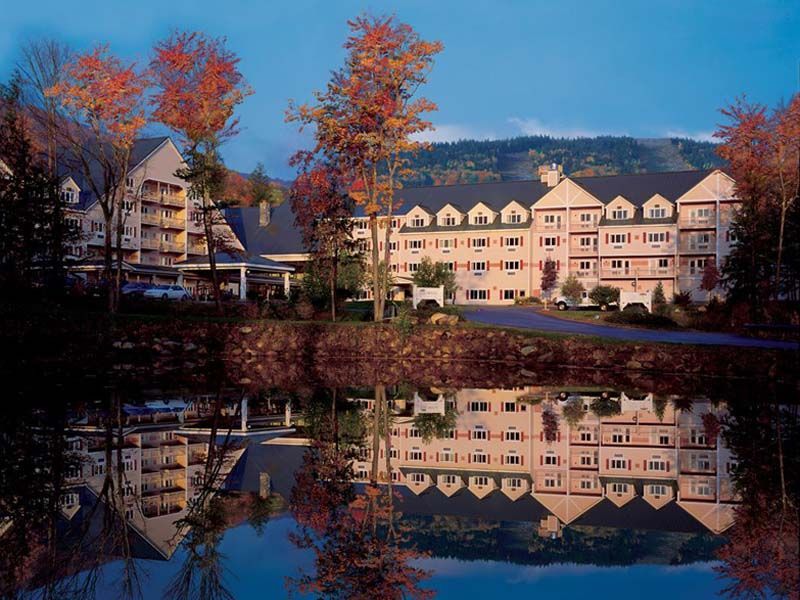
We are a proud sponsor of CO2 Assimilation in Plants from Genome to Biome: Probing Mechanisms Across Scales Gordon Research Conference
June 8 - 13, 2025 | Newry, Maine
register here: www.grc.org/co2-assimila... #PlantScience #PlantSciEvents
30.04.2025 19:05 — 👍 8 🔁 6 💬 0 📌 1

Evidence for active regulation of transpiration in non-stomatal plants
### Competing Interest Statement
The authors have declared no competing interest.
Excited to share a new preprint led by Alicia Perera-Castro! 🌿
Mosses actively regulate water loss without stomata, challenging the view of poikilohydry as purely passive—and hinting at a mechanism analogous (perhaps ancestral?) to nonstomatal control in angiosperms.
www.biorxiv.org/content/10.1...
05.04.2025 06:32 — 👍 2 🔁 1 💬 0 📌 0
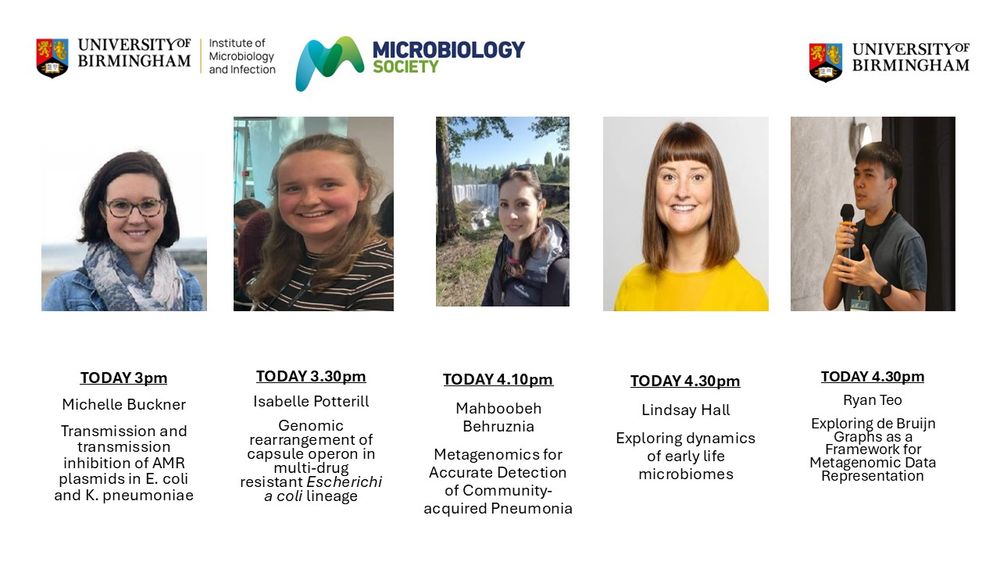
Image shows five speakers four of which are female and one male from the Institute of Microbiology and Infection speaking today the Microbiology Society Annual Conference
We are in Liverpool this week at the @microbiologysociety.org Annual Conference
our IMI line up today looks like this .. #Microbio25
31.03.2025 13:04 — 👍 25 🔁 9 💬 2 📌 0
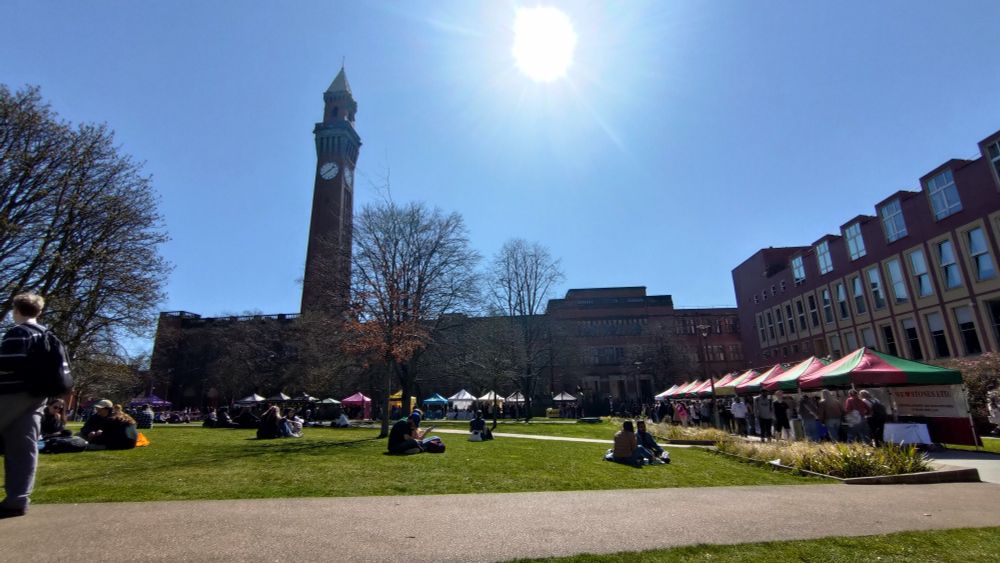
Sunny day in Birmingham… lunch on the grass today, and a storm tomorrow for sure 🤣
01.04.2025 12:47 — 👍 2 🔁 0 💬 0 📌 0

Lucas A. Cernusak
'With modern communications pressing to steal my attention I try to remember to take a step back and appreciate the privilege that it is to be able to spend my time working on things that I find so interesting.'
In #Profile: Lucas A. Cernusak
📖 nph.onlinelibrary.wiley.com/doi/10.1111/...
29.03.2025 10:25 — 👍 24 🔁 3 💬 0 📌 0

Group photograph of delegates at New Phytologist next generation scientists 2024.
📢 Deadline today!
Apply to attend New Phytologist next generation scientists 2025 - a FREE meeting for early career researchers in #PlantScience.
4–7 August 2025
University of Birmingham, UK
Apply now! https://www.newphytologist.org/nextgenevents/2025
27.01.2025 12:00 — 👍 9 🔁 9 💬 1 📌 0
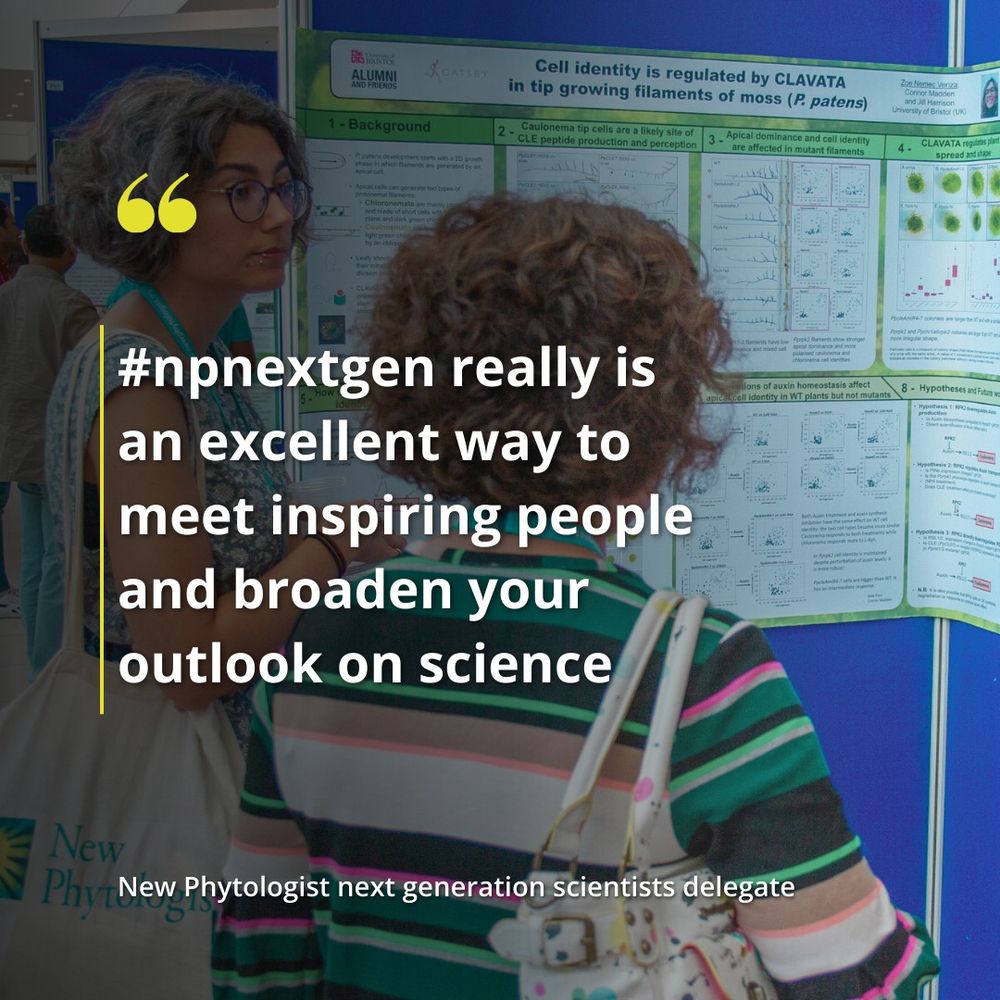
People at a conference. A quotation from a New Phytologist next generation scientists delegate reads '#npnextgen really is an excellent way to meet inspiring people and broaden your outlook on science.'
Don't miss your opportunity to attend New Phytologist next generation scientists, the FREE meeting for early career researchers in plant science. #npnextgen
4–7 July 2025
Birmingham, UK
Apply to attend by 27 January!
www.newphytologist.org/nextgenevent...
22.01.2025 17:35 — 👍 16 🔁 14 💬 1 📌 3
Definitely a recommended read for any exchanger of gases working with stressed and low-flux material. This summarizes many important considerations and measurement assumptions underlying the models of stomatal conductance and other derived parameters which are implemented in gas exchange systems.
23.01.2025 21:08 — 👍 9 🔁 3 💬 1 📌 0
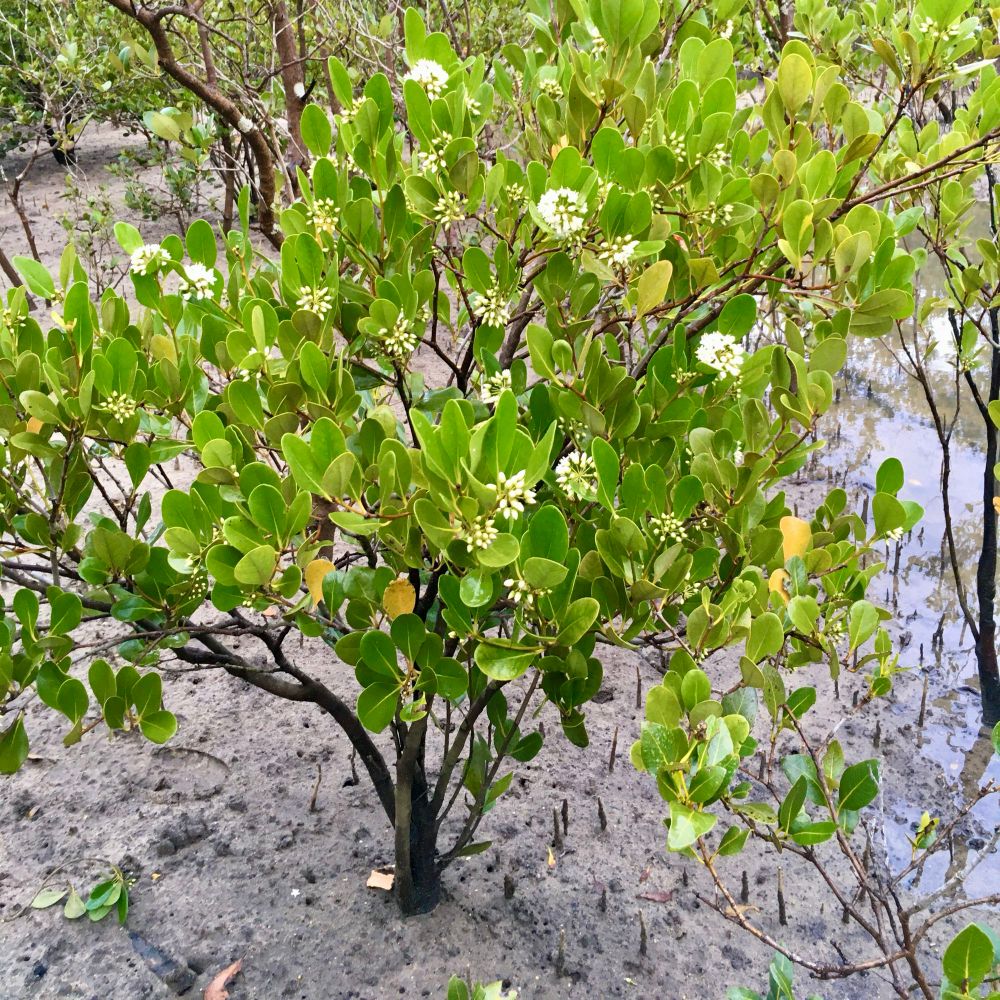
Small mangrove species Aegiceris corniculatum flowering
Very happy to see this paper out in Plant, Cell & Environment ! 🥳
We show that:
➡️ Foliar water uptake contribute to leaf water potential recovery in mangroves 🌿💧
➡️ Tidal dynamic did not affect morning dew uptake 🌳🌊
onlinelibrary.wiley.com/doi/pdf/10.1...
15.01.2025 14:37 — 👍 6 🔁 2 💬 0 📌 0
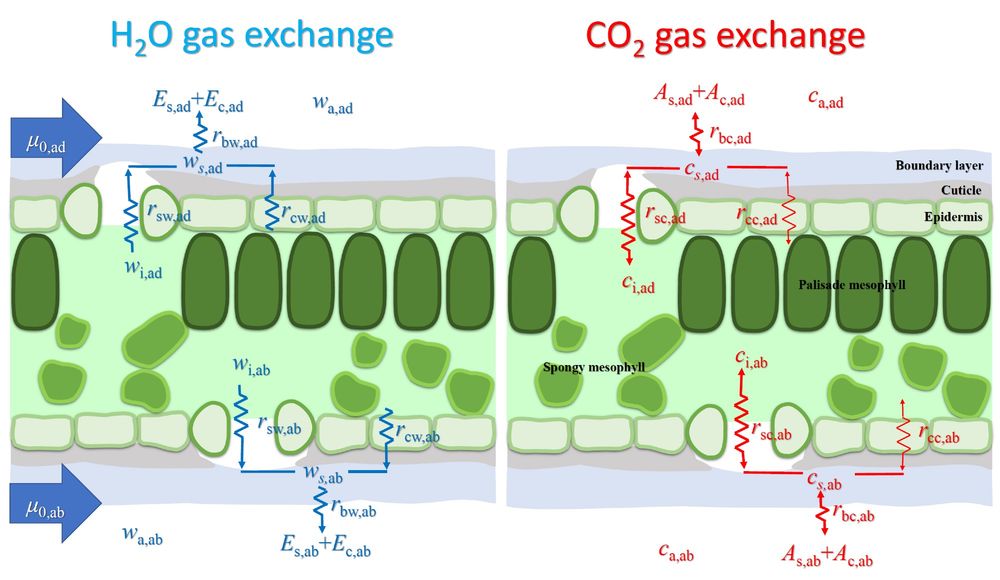
Detailed representation of H2O gas exchange (left) and CO2 gas exchange (right) at the adaxial (upper) and abaxial (lower) leaf surfaces in an amphistomatous leaf. This panel illustrates the separate gas exchange processes for each leaf surface, which can be measured individually if the upper and lower cuvettes are analysed separately—though this setup is not common in commercial gas exchange systems. Stomatal, cuticle, and boundary layer resistances are depicted for both surfaces, along with the mole fractions of water vapour and CO2.
Excited to share our paper with Anna Gardner and @florianabusch.bsky.social in Plant Ecophysiology!🌿
We review challenges in interpreting plant stress responses using gas exchange data, offer solutions to improve accuracy and discuss gaps in our current knowledge.
www.sciltp.com/journals/Pla...
14.01.2025 15:51 — 👍 36 🔁 14 💬 1 📌 3

New Phytologist next generation scientists 2025 takes place on 4–7 August at the University of Birmingham!
Don't miss your opportunity to join this unique meeting of early career plant scientists! Apply to attend by 27 January:
www.newphytologist.org/nextgenevent...
#PlantScience #npnextgen
08.01.2025 17:03 — 👍 22 🔁 14 💬 0 📌 2
I saw an orca shape 🤣🤦
08.01.2025 12:12 — 👍 0 🔁 0 💬 0 📌 0

Resolving the contrasting leaf hydraulic adaptation of C3 and C4 grasses - Alec Baird et al. - New Phytologist - nph.onlinelibrary.wiley.com/doi/full/10.... @colinplants.bsky.social @cscoffoni.bsky.social @hcochard.bsky.social @erikajedw.bsky.social
06.01.2025 07:23 — 👍 10 🔁 3 💬 0 📌 0

Deciphering the core shunt mechanism in Arabidopsis cuticular wax biosynthesis and its role in plant environmental adaptation
www.nature.com/articles/s41...
#plantscience
04.01.2025 16:45 — 👍 10 🔁 3 💬 0 📌 0

Conference delegates look at posters
New Phytologist next generation scientists is a unique meeting organised for, and by, early career researchers.
Next year's meeting takes place at the University of Birmingham, UK, on 4–7 August.
Applications close on 27 January - apply now!
https://www.newphytologist.org/nextgenevents/2025
23.12.2024 11:00 — 👍 18 🔁 8 💬 0 📌 0

A postdoctoral position is available in the team of Gwyneth Ingram @rdplab.bsky.social as part of a collaborative project with our group @ibmp-cnrs.bsky.social
#plantscience
16.12.2024 17:10 — 👍 18 🔁 28 💬 0 📌 1
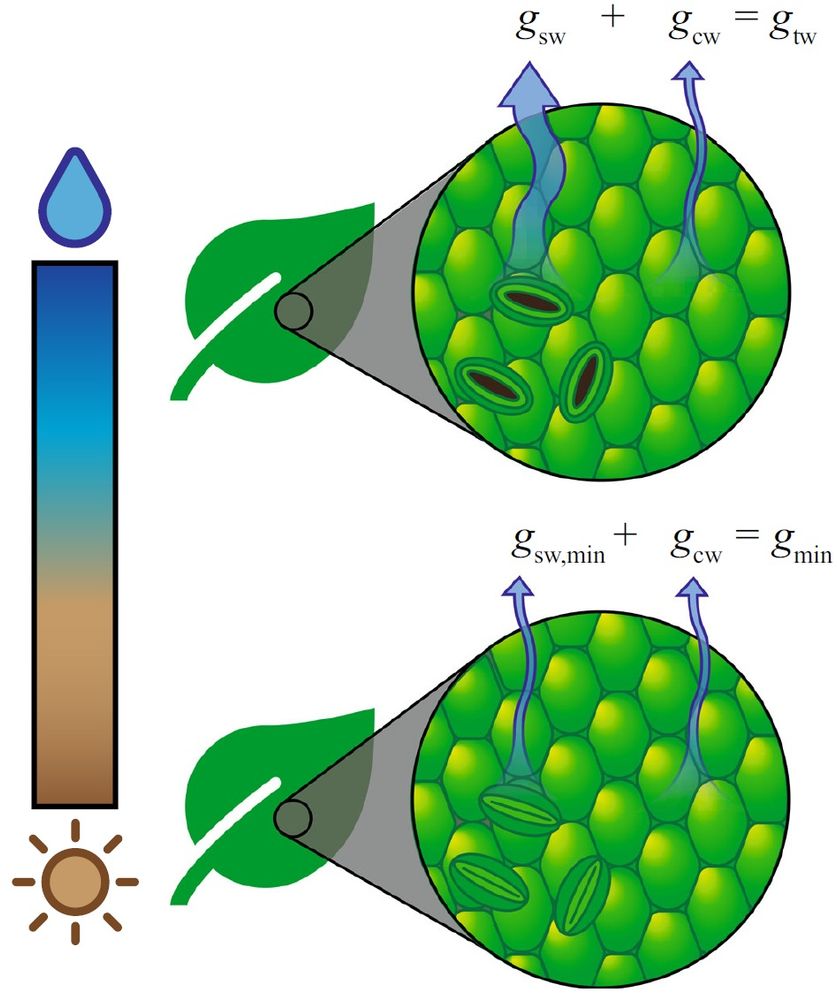
Leaf water fluxes during times of high and low water availability.
New in #NewPhytologist: Temperature governs the relative contributions of cuticle and stomata to leaf minimum conductance (shorturl.at/f9h7O) - Exciting work with #MichaletzLab PhD graduate #JosefGaren @ubcbotany.bsky.social @ubcbiodiversity.bsky.social @science.ubc.ca @newphyt.bsky.social
17.12.2024 00:09 — 👍 102 🔁 32 💬 1 📌 0

Diagram of the mechanism of nonstomatal control of transpiration as VPD increases, generating unsaturation in the substomatal cavity. The parameters in the figure are atmospheric water vapour concentration (wa), water vapour concentration on the leaf surface (ws), substomatal cavity water vapour concentration (wi), water vapour concentration at saturation (wsat), resistance to water diffusion through the plasma membrane (rp), cell wall water potential (Ψw), and cytosolic water potential (Ψc). Black dots represent cell wall fibres. The current theory suggests that aquaporins acting as transmembrane conduits close when VPD rises, increasing the resistance to water movement through the membrane of mesophyll cells (rp) and triggering unsaturation in the substomatal cavity.
My first post in BSky, let's do it about our last paper (doi.org/10.1073/pnas...). We show how vital nonstomatal control of transpiration is for maintaining high assimilation rates in plants such as maize and sorghum under increased VPD. This mechanism boosts C4 plants' water-use efficiency.
16.11.2024 01:23 — 👍 6 🔁 0 💬 0 📌 0
Mass Spectrometry based #Proteomics, focusing on PTMs and #plantscience
Research project leader at Curtin University. Interested in plant breeding, agriculture, genetics, anything related to coding or mathematics. Proud dad. AI enthusiast. Downhill mountain biking, especially the jumps. (he/him)
Tree Ecophysiology
Birmingham Institute of Forest Research
University of Birmingham
Plant scientist with interest in plant stress responses, nutrition, membrane transport, epigenetics, green biotechnology.
Interested in biological fluid dynamics, among other things.
European Research Council, set up by the EU, funds top researchers of any nationality, helping them pursue great ideas at the frontiers of knowledge. #HorizonEU
Associate Professor in Plant Biology at Saint Mary's University, Halifax 🇨🇦 | mother, botanist, ecologist, lover of peatlands and other wild things | elliemgoud.com
Ecophysiologist investigating plant responses to heat and drought 🌡️💦🍃🍂
At the IF Goiano (Goiás-Brazil) 🇧🇷
Professor of Global Change Ecology 🌳🌍
School of the Biological Sciences 🌿
University of Bristol
mdekauwe.github.io
We are an independent, international centre of excellence in plant science, genetics and microbiology.
www.jic.ac.uk
UKRI-Future Leaders Fellow/Group Leader, University of Essex, UK
https://www.thepallavisinghlab.com/
(She/her) 🇮🇳in🇬🇧
#Photosynthesis
#rice #grafting #WaterUseEfficiency #PlantSciences
NIPGR, India - Cornell, USA - Cambridge, UK - Essex, UK
She/Her
Assistant Editor @jxbotany.bsky.social 🍃
Researcher in Plant Computational Biology and Metabolic Modelling
Own views.
Plant biologist interested in stress recovery mechanisms. Postdoc @Ecker-lab @Salk and NIH/NIGMS K99 fellow. #DroughtStress #StressRecovery #PlantScience
Plant biologist 🧬 ☘️ interested in stress response mechanisms, FoodSecurity| PostDoc🔬Plant Scientist🥦 PlantGrowthStress|Traveler & €xplorer💫Love Reading Behavioral genetics & Psychology🧠 Single 🎶Views are my own
Plant Scientist with an interest in stomata
PhD student - Drought resilience 🌳 Tree water & carbon relations 💧 @helsinki.fi
Plant mechanic, currently working as a postdoc at the University of Helsinki. Investigating tree resilience to drought.
MSCA Postdoc fellow, Van Breusegem Lab, Oxidative Stress Signalling. VIB-UGent Center for Plant Systems Biology
Plant ecophysiology researcher at CIRAD - Working on cocoa agroforestry systems in Cameroon 🇨🇲
Professor of Plant Evolutionary Genetics at Michigan State University.