This is an excellent environment for scientists aiming to build an independent research program grounded in rigor and conceptual clarity. Please email me your CV and a brief statement of interests.
23.01.2026 18:35 — 👍 4 🔁 0 💬 0 📌 0
The lab is funded and growing, with multiple projects addressing fundamental and disease-relevant questions. This position is well suited for someone who values mechanistic over descriptive science and wants to help shape an emerging field.
23.01.2026 18:35 — 👍 2 🔁 0 💬 1 📌 0
Strong training in molecular biology or biochemistry and a solid publication record are essential. Experience with engineering mammalian cell lines, functional genomics, protein biochemistry, and/or quantitative fluorescence microscopy is a plus.
23.01.2026 18:35 — 👍 2 🔁 0 💬 1 📌 0
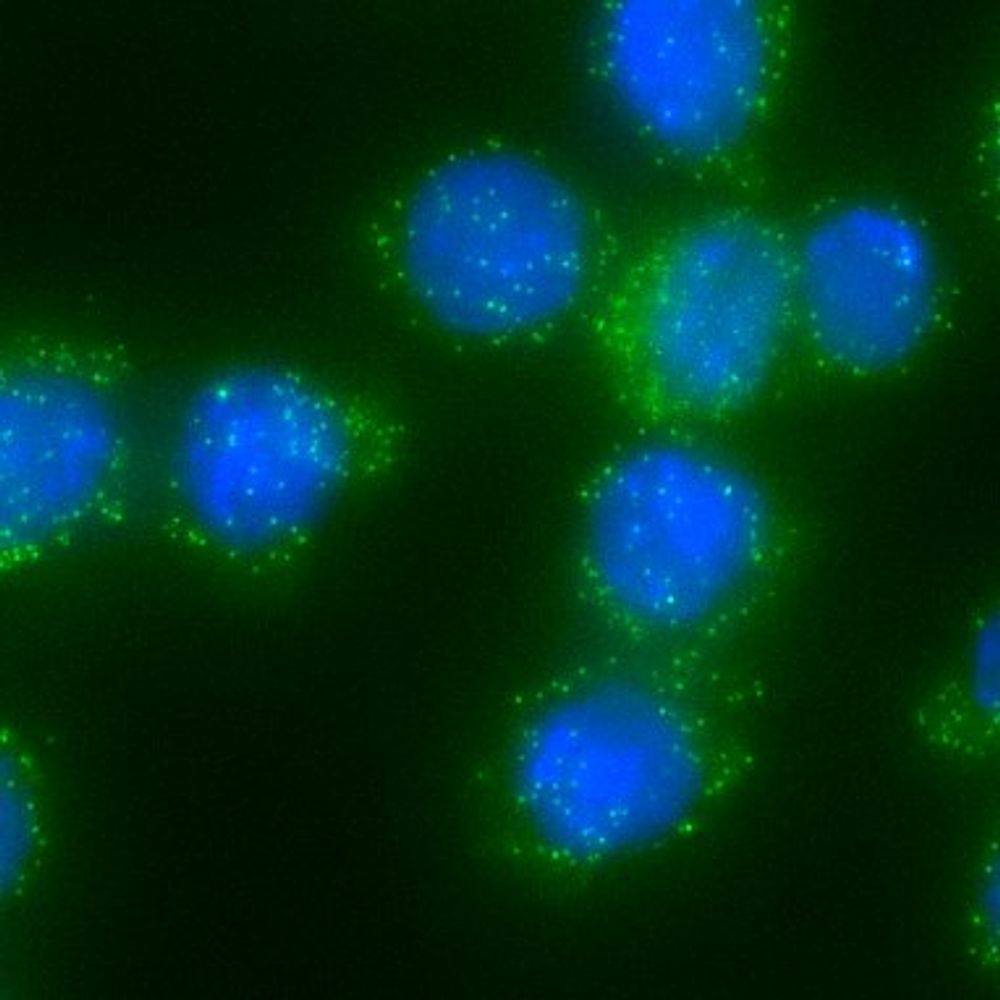
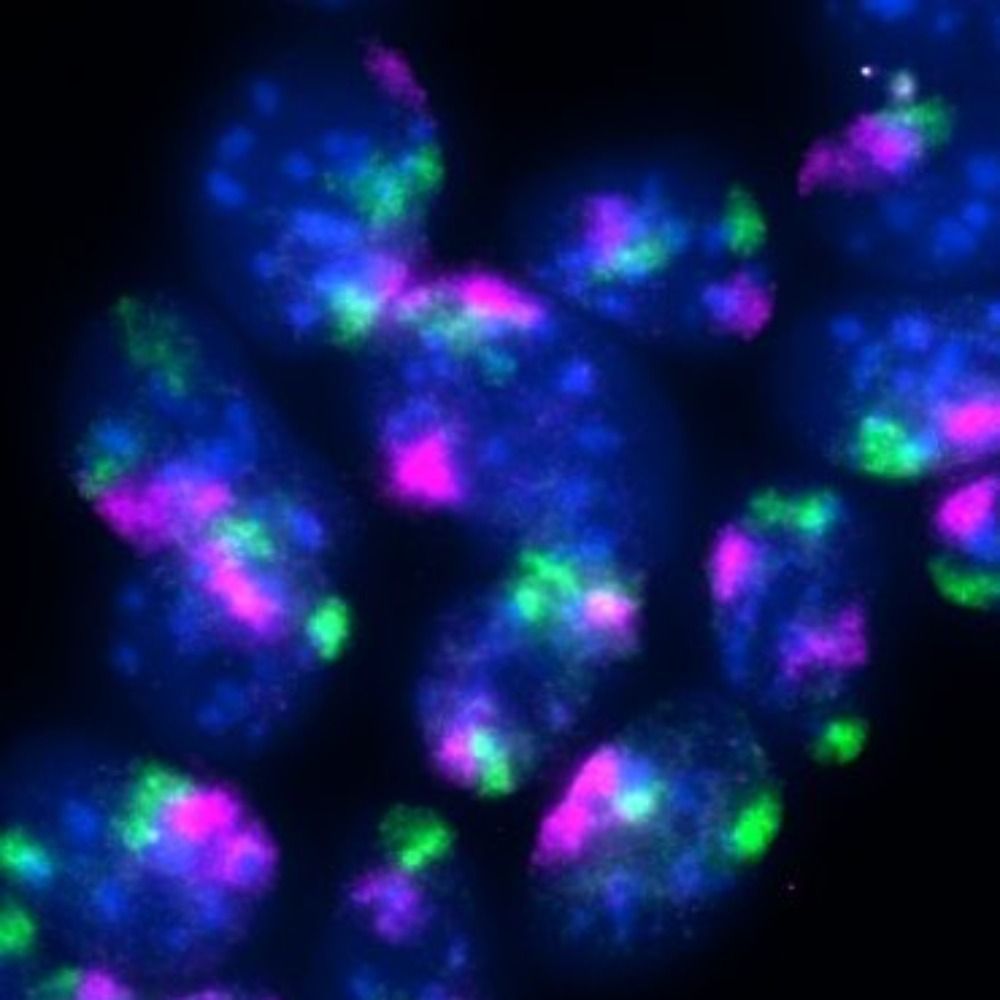
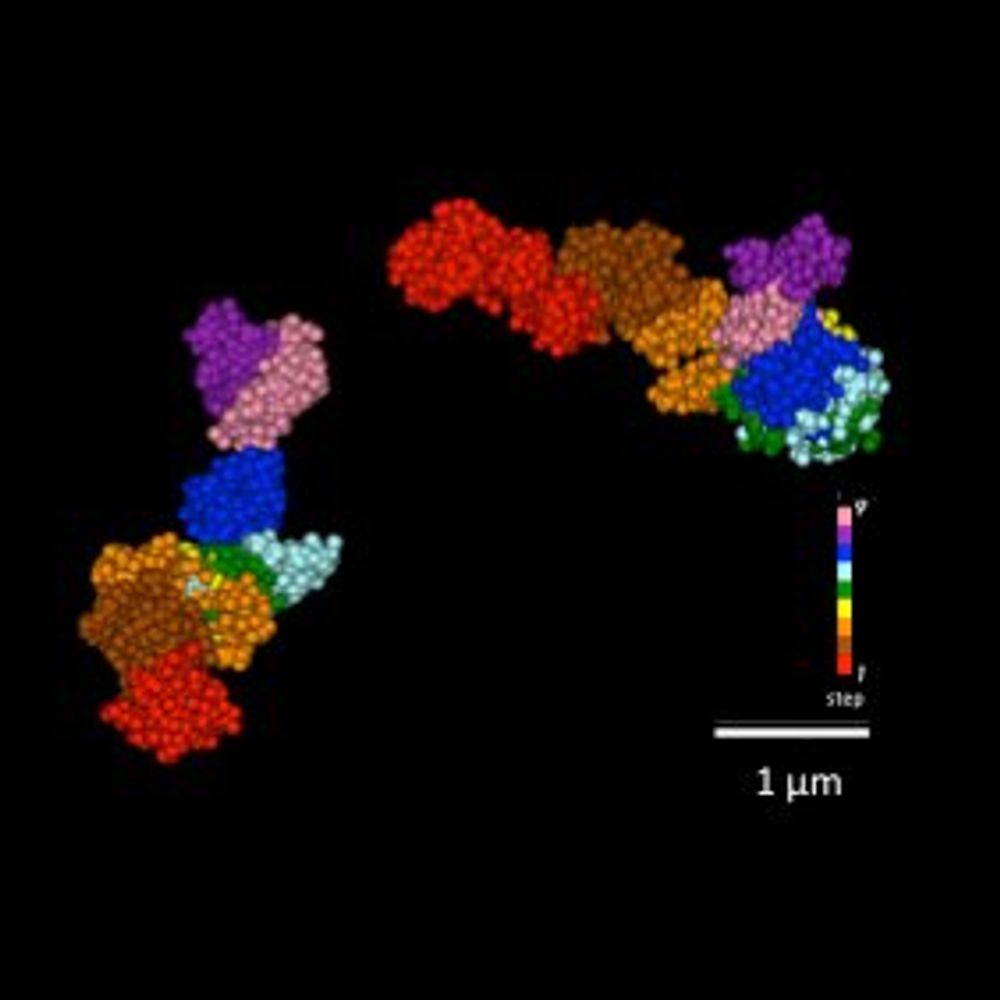
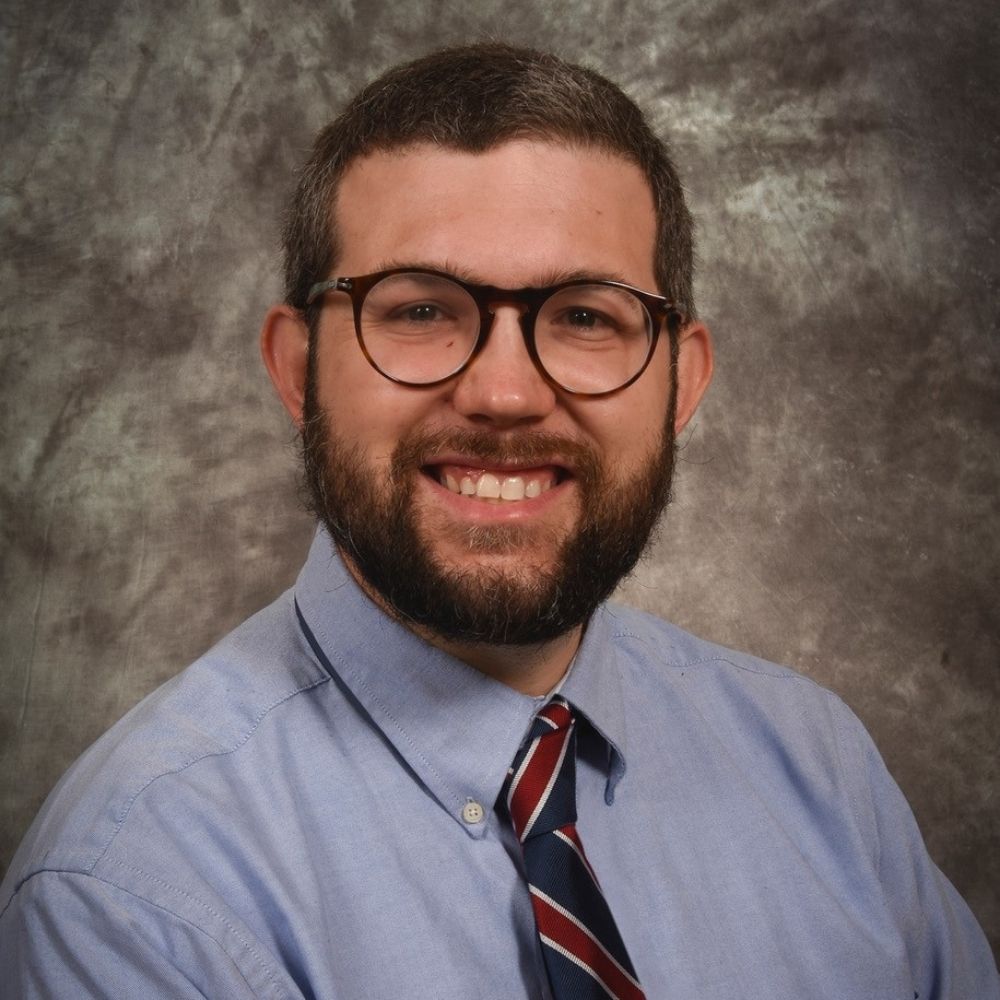
I am recruiting postdoctoral fellows to develop new research directions in the lab. We study transcriptional regulation through biomolecular condensates in development and disease, with an emphasis on first-principles and mechanistic discovery. Please repost or share with colleagues.
23.01.2026 18:35 — 👍 17 🔁 19 💬 1 📌 0
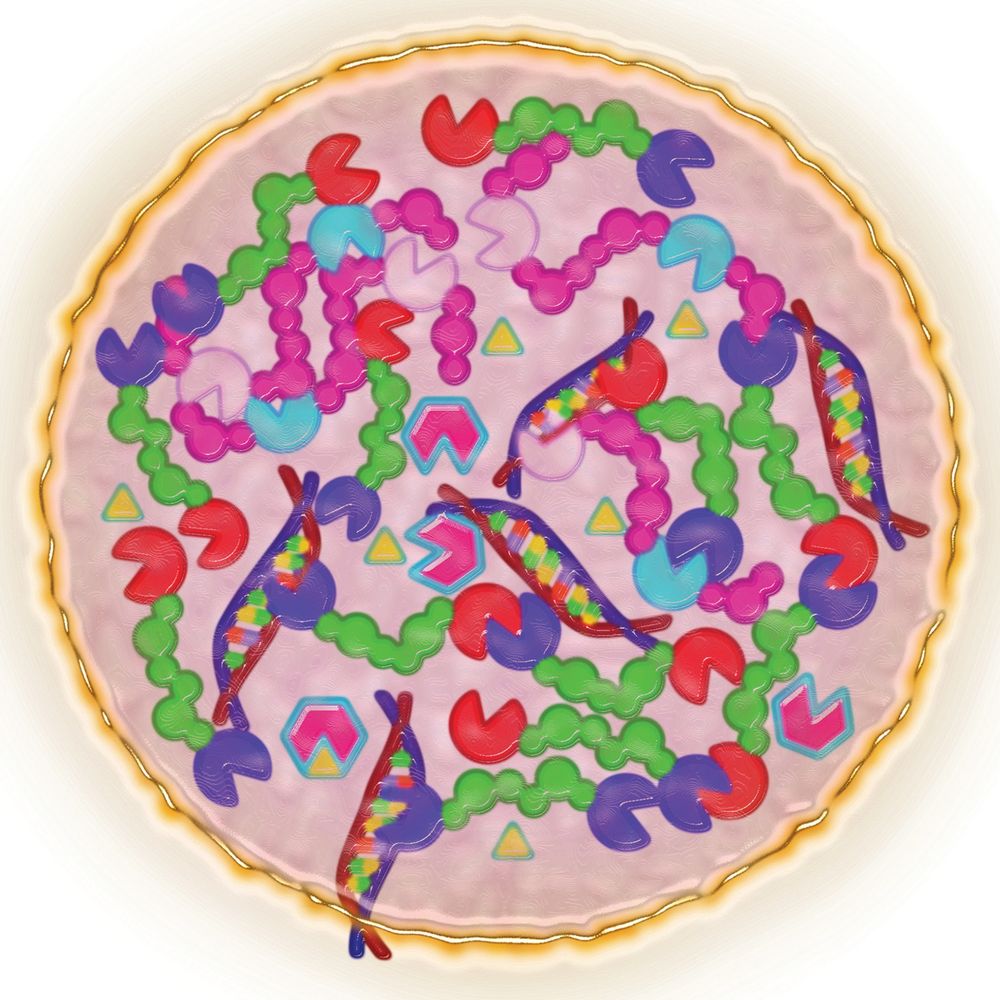
Do transcriptional activators work on any promoter? Our data says no. 🙅♂️
Despite driving ~2/3 of mammalian genes, CpG island (CGI) promoters have remained a puzzle. We identified >50 activators that are exclusively compatible with this promoter class. 🧬
29.12.2025 19:30 — 👍 65 🔁 21 💬 2 📌 2
Our Science paper is out!
Huge congratulations to @huabin-zhou.bsky.social, Mike Rosen, and the brilliant @janhuemar.bsky.social @juliamaristany.bsky.social and @kieran-russell.bsky.social from our group
News: bit.ly/4avnkAr and bit.ly/3XBGVHS
Great perspective by @vram142.bsky.social +K Zhang
05.12.2025 09:47 — 👍 86 🔁 41 💬 2 📌 1
Love this; inspired by early experiences and cemented by the incomparable @jiwasa.bsky.social at an incredible workshop she and @theroglab.bsky.social organized in '22, I've become thoroughly convinced that - at least for me - developing figures from scratch is a key part of scientific inquiry.
01.12.2025 13:04 — 👍 12 🔁 2 💬 0 📌 0

Anthony A. Hyman will become EMBL’s next Director General.
He joins EMBL from @mpi-cbg.de in Dresden. He is also Professor of Molecular Biology @tudresden.bsky.social, and was a group leader at EMBL Heidelberg from 1993 to 1999.
www.embl.org/news/people-...
27.11.2025 13:02 — 👍 253 🔁 67 💬 11 📌 11
6 years ago, Lizz took a leap of faith by moving across the country to join our new and empty lab as a research tech. She then became our 1st grad student, playing a major role in shaping our research directions and lab culture. Today she defended her PhD, and I couldn’t be more proud.
05.11.2025 02:11 — 👍 17 🔁 2 💬 0 📌 0
Congrats, Josh! Exciting work!
04.11.2025 18:13 — 👍 1 🔁 0 💬 1 📌 0

(1/10) How do diverse leukemia mutations converge on the same molecular program? In #RibackLab first manuscript @cp-cell.bsky.social, collaboration with @goodell-lab.bsky.social shows that disparate mutations rewire shared protein networks to form nuclear condensates called C-bodies.
04.11.2025 17:58 — 👍 51 🔁 23 💬 7 📌 4
Thanks Krishna!
22.10.2025 21:10 — 👍 1 🔁 0 💬 0 📌 0
Big thank you to Hue Sun Chan, @jonaswessen.bsky.social, Nancy De La Cruz, and @heankel.bsky.social for making this wonderful interdisciplinary collaboration a success.
22.10.2025 18:30 — 👍 0 🔁 0 💬 0 📌 0
This is all part of a bigger story related to the IDR "specificity code" and the IDR sequence-function relationship, and provides compelling evidence that specificity can be encoded within the chemical patterns of amino acids and the multivalent networks they enable.
22.10.2025 18:30 — 👍 0 🔁 0 💬 1 📌 0
As the model only accounts for multivalent interactions among polymers, the accuracy of its predictions demonstrates that specificity can arise directly from multivalent contacts among disordered regions without needing to invoke ordered-structure-mediated interactions
22.10.2025 18:30 — 👍 0 🔁 0 💬 1 📌 0

Happy to share our latest in @natcomputsci.nature.com
led by (amazing) Ryan Krueger + colab w M. Brenner!
We introduce a framework to directly design intrinsically disordered proteins (IDPs) from physics-based simulations.
🧬 doi.org/10.1038/s435...
📰 www.mccormick.northwestern.edu/news/article...
10.10.2025 18:16 — 👍 26 🔁 8 💬 2 📌 0
Congrats, David!
09.10.2025 11:34 — 👍 1 🔁 0 💬 0 📌 0
Congratulations! Well deserved!
03.10.2025 17:35 — 👍 1 🔁 0 💬 0 📌 0

Lab picture of Holehouse lab members past and present
Last week, Washington University made the perhaps questionable decision to award me tenure.
29.09.2025 12:53 — 👍 188 🔁 16 💬 32 📌 3
Preprint!
Inspired by condensates that form on specific DNA, we ask:
can we design multicomponent fluids to form distinct condensates on diff. surfaces?
i.e. perform classification by condensation ⚛️ 💻 exploiting phase transitions beyond compartmentalization!
arxiv.org/abs/2509.08100
(1/2)
22.09.2025 21:38 — 👍 15 🔁 6 💬 1 📌 0

Major Medical Prizes Given to Cell Biology and Cystic Fibrosis Pioneers
Major Medical Prizes Given to Cell Biology and Cystic Fibrosis Pioneers www.nytimes.com/2025/09/11/h...
11.09.2025 14:44 — 👍 13 🔁 3 💬 1 📌 1
PNAS
Proceedings of the National Academy of Sciences (PNAS), a peer reviewed journal of the National Academy of Sciences (NAS) - an authoritative source of high-impact, original research that broadly spans...
New in @pnas.org with @gladfelterlab.bsky.social @sneadlab.bsky.social ! 📢
Cells use condensates (dynamic compartments without membranes) to organize key reactions. Some condensates have core & shell layers… but how do such layers form? 🤔
👉 pnas.org/doi/10.1073/pnas.2504778122 (1/6)
04.09.2025 02:44 — 👍 20 🔁 6 💬 1 📌 1
The Biophysical Society IDP Subgroup fosters communication and sharing of science among researchers focused on intrinsically disordered proteins and organizes the IDP Symposium every year as a part of the Biophysical Society (BPS) Annual Meeting.
Postdoc in the Michael Rosen lab at UT Southwestern. Interested in the structural organization of biomolecular condensates, mostly focus on chromatin.
Light Microscopy #ImagingScientist
@unc_cbp. Enabling others to harness the power of light microscopy. Opinions and typoes my own. she/her
Head of Genome Biology Dept @EMBL,
Scientist, Principal investigator, Professor
Exploring genome regulation during development,
and everything to do with enhancers.
3D genome, chromatin topology,
cell_fate, embryonic Development,
Single Cell genomics
Did you know we share 60% of our genes with fruit flies 🪰 ?! I use these weirdos to figure out how genes work! Diversity is our strength.
We study transcriptional regulation and chromosome folding using an interdisciplinary approach combining wet- and dry-lab methods.
https://giorgettilab.org
@fmiscience.bsky.social
Our laboratory seeks to understand how chromosome structure relates to genome functions
We are the Ting Wu Lab @ HMS. Our laboratory studies how chromosome behavior and positioning influence genome function, with implications for gene regulation, genome stability, and disease.
Managed by WuLab members
https://www.transvection.org/home
Asst. Prof. Pathology, UTSW Pathology. Blood Banking/Transfusion Medicine. Tweets ≠ medical advice. I put in work and it’s all for the kids. (He/Him)
Department of Molecular Biology at UT Southwestern. Interested in Genetics, Developmental Biology, Ribosomes, mRNA Translation.
Assistant Professor, Columbia University | Mobile elements, Structural biology and Genome engineering | http://thawanilab.org
Protein Disorder in Transcription Lab of Sina Wittmann at @imbmainz.bsky.social
Interested in assemblies of proteins, nucleic acids, nanoparticles ...
AP @BostonChildrens @harvardmed AM @broadinstitute
inflammation, tissue biology, quant.&systems immunology #1stGen #ImmigrantScientists #NewPI
Lecturer @imperiallifesci.bsky.social @imperialsci.bsky.social
@imperialcollegeldn.bsky.social |Unravelling DNA mysteries in stem cells by staring at little dots| #salsa dancer| he/him |
https://profiles.imperial.ac.uk/srinjan.basu
Assistant Professor at UCLA
HHMI Hanna Gray Faculty Fellow
PhD: Stanford Biophysics; Postdoc: Broad Institute
Excited about RNA+proteins+IDPs, high-throughput experiments+computation
Scientist in the Department of Molecular Biology at UT Southwestern Medical Center. We investigate mechanisms of tumorigenesis.
https://labs.utsouthwestern.edu/odonnell-lab
Associate Professor 🧑🔬🧑🏫 at McGill University 🇨🇦 CRC in Spatial organization of living systems 💧🦠🪱🔬
https://weberlab.ca/