A hand presses a large red button mounted on a wall, with a dotted arrow indicating motion toward a political poster by Hungarian government below. The poster shows George Soros, target of political campaigns, smiling with the text in Hungarian saying “Don’t let George Soros have the last laugh!” The image is overlaid with a yellow tint and the title: ‘The 14 Pressings of Hungary’s “Moral Panic Button.”’ Image: Social media reproduction. Composition: MORES.
An informational autocracy, Hungary governs via narrative control and emotional mobilisation, a MORES study claims.
The paper shows how its key tool—the Moral Panic Button—cycles enemies like migrants, Brussels, & the “Soros network” to keep society in constant alarm. 🧪
Learn more: bit.ly/3MAlSTs
03.12.2025 14:47 — 👍 4 🔁 1 💬 0 📌 0

Hungarian and EU flags as puzzle pieces with the text ‘When Policy Turns Emotional’. Image: Multimedia center/European Parliament. Composition: MORES project.
How emotional can institutional policy narratives get?
A new MORES study shows that Hungary’s narrative on the EU's Farm to Fork was highly structured—with heroes, villains, victims, and a clear emotional script.
Read MORES’s new Working Paper to understand why🧪: mores-horizon.eu/publications
25.11.2025 14:08 — 👍 5 🔁 1 💬 0 📌 0

A woman stands against a white wall, wearing a long-sleeve mustard-yellow shirt and dark trousers, holding a smartphone in both hands and smiling. Bold text on the image reads: “Newsletter: Teaching AI to Read Human Emotion,” with a white speech bubble icon, small in size, positioned above the text within a yellow circle. The background features abstract gray shapes symbolising MORES's quotation mark icon. Photo: Adobe Stock; composition: MORES project.
The latest MORES newsletter is now live on our website.
Featuring our new AI tool, MORES Pulse, which detects emotions in text—plus an exclusive interview with the researchers behind it and open-access publications from our teams.
🔗Read + subscribe🧪: mores-horizon.eu/newsletter
#MORESresearch #AI
13.11.2025 11:38 — 👍 2 🔁 0 💬 0 📌 0

MORES Publications - The Rise of the Authoritarian Populist Right
A driver of the populist right’s success is its ability to position itself as a defender of freedoms, MORES article says.
When far-right groups say “freedom,” what do they mean?
New article by MORES researcher Péter Krekó in the "Brown Journal of World Affairs" shows how authoritarian populists weaponise liberty to undermine democracy—and how freedom can be reclaimed.
Read: bit.ly/47NpiJE
#MORESresearch #Populism🧪
11.11.2025 15:06 — 👍 5 🔁 1 💬 0 📌 0

Portrait of Zsolt Boda, research professor at ELTE Centre for Social Sciences in Budapest and principal investigator of the MORES project. The image is overlaid with text reading: “Podcast: How Emotions Shape our Political Identities." Credit: MORES project.
Can moral emotions help bridge political divides?
In a podcast with @revdem2020.bsky.social, Zsolt Boda explores the dangers of emotional extremes in politics and their impact on democracy. Boda (pictured) also introduces MORES project tools and findings 🧪
Follow the podcast: bit.ly/4nyHBIo
03.11.2025 13:55 — 👍 1 🔁 0 💬 0 📌 0

Nem az számít, Orbánnak vagy Magyarnak van igaza, hanem az, ki tudja a másikat nevetségesebbnek láttatni
Kutatók vizsgálták Trombitás Kristóf „roast” műsorát, amiben ellenzéki politikusokat és Fidesszel szemben kritikus közéleti szereplőket pocskondiáz. A politikai cringe, az ellenfelet kigúnyoló és neve...
Why is cringe—or making someone look ridiculous—so effective in politics?
For Telex, MORES experts Gabriella Szabó and István Benedek explain political cringe shifts attention from policy to personal awkwardness. That humiliates opponents—and raises rejection rates.
Article in Hungarian👇🧪
31.10.2025 09:37 — 👍 2 🔁 0 💬 0 📌 0
Thanks so much for reading and sharing. We really appreciate your feedback—and glad you also found MORES Pulse useful 🙏
14.10.2025 15:47 — 👍 1 🔁 0 💬 0 📌 0

A portrait-style image featuring Bendegúz Plesz, a man in a brown blazer and striped shirt against a neutral background. Below the portrait, a quote is displayed in white text on a black background with blue quotation marks: "Polarisation is not only personal—it is structural. It reshapes institutions, media, and participation in ways that systematically weaken democratic accountability." The quote is attributed to Bendegúz Plesz, MORES researcher at ELTE Centre for Social Sciences. Credit: MORES.

A square graphic with a blue background featuring a Veronika Patkos, a woman dressed in a white shirt. A quote in white text and abstract white quotes are placed below. The quote itself reads: "Whether comparing countries or looking within them, the pattern is the same: higher polarisation goes hand in hand with weaker democratic accountability." The quote is attributed to Veronika Pathós, MORES researcher at ELTE Centre for Social Sciences. Credit: MORES.

A square graphic featuring a quote in white text on a blue background with abstract white quotation marks. The quote itself reads: "Our study shows that polarisation itself—through institutions, media, and participation—weakens democratic accountability even when partisanship is considered." The quote is attributed to Veronika Pathós, MORES researcher at ELTE Centre for Social Sciences. The design is minimalist, emphasizing the message with subtle visual accents. Credit: MORES.
New MORES study of 28 European democracies finds: higher polarisation weakens democratic accountability. As divisions grow, accountability further declines.🧪
Read more and download the study:
📖https://mores-horizon.eu/blog/when-democracy-erodes-from-within
#MORESresearch #Democracy
14.10.2025 13:49 — 👍 5 🔁 6 💬 0 📌 1
YouTube video by MORES
Can we Keep Cool When Politics Gets Emotional?
Negative emotions are everywhere—in the media & politics.
In this video, Prof Eran Halperin, MORES co-investigator at @picr-lab.bsky.social, explains how emotion-regulation strategies may help people stay balanced when politics gets too emotional.
▶️ youtu.be/E_FugFDXmg4
#MORESProject #Research 🧪
09.10.2025 10:25 — 👍 8 🔁 0 💬 0 📌 0

A person with long hair smiles while looking at a digital device in an indoor setting. The image features overlaid text reading, “Navigate emotions, shape politics. Join our free newsletter now,” accompanied by abstract blue quotation mark design element (the MORES Project icon) and a small speech bubble icon.
Our next MORES newsletter arrives tomorrow 🗞️
It features an interview with the team behind MORES Pulse AI — a new multilingual tool that detects emotions in text and helps users assess and shape communication.
Sign up today 👉 preview.mailerlite.io/forms/957275...
#MORES #AI #Research #Science
07.10.2025 13:13 — 👍 0 🔁 0 💬 0 📌 0

Can metaverses change how we feel about real-life politics?
@gameinsociety.bsky.social thinks so.
He built MetaMORES—a 3D space for emotional expression & collective decision-making. It’s a game, but also a way to explore how political choices unfold online.
👉https://bit.ly/mauco
#Research 🧪
03.10.2025 13:52 — 👍 6 🔁 1 💬 1 📌 0

Headshot of Eran Halperin, Professor and MORES Co-Investigator at the Hebrew University of Jerusalem. A quote appears at the bottom: 'We are interested in examining when and how populism—and populist rhetoric—becomes corrosive to democratic institutions.' Neutral background with the subject in formal attire. Credit: MORES.
Can democracies resist the emotional pull of “the people” versus “the elites”?
MORES researchers are testing whether spotting emotional triggers and manipulative cues can help citizens push back against divisive rhetoric—& protect democratic debate.
🧪 mores-horizon.eu/blog/can-dem...
#Populism
23.09.2025 11:58 — 👍 4 🔁 1 💬 1 📌 0
Just launched: MORES Pulse, a free, research-based AI tool that reveals emotions hidden in text.
Perfect for researchers, journalists, communicators & anyone curious about how emotions drive narratives.🧪
Learn more: bit.ly/4nsLvU9
#MORESresearch #AI #TechForGood #HorizonEU #emotions
#Tools
18.09.2025 08:58 — 👍 4 🔁 1 💬 0 📌 0
Can fiction teach us something real about politics? 🎬
MORES researcher @tscher.bsky.social at @viadrina.eu analyses 3 European TV shows—and explains how their protagonists turn anger into inclusive governance.🧪
▶️ Full explainer: bit.ly/47ErSmT
#MORESresearch #Populism #TVseries #Democracy
15.09.2025 07:47 — 👍 3 🔁 4 💬 0 📌 0
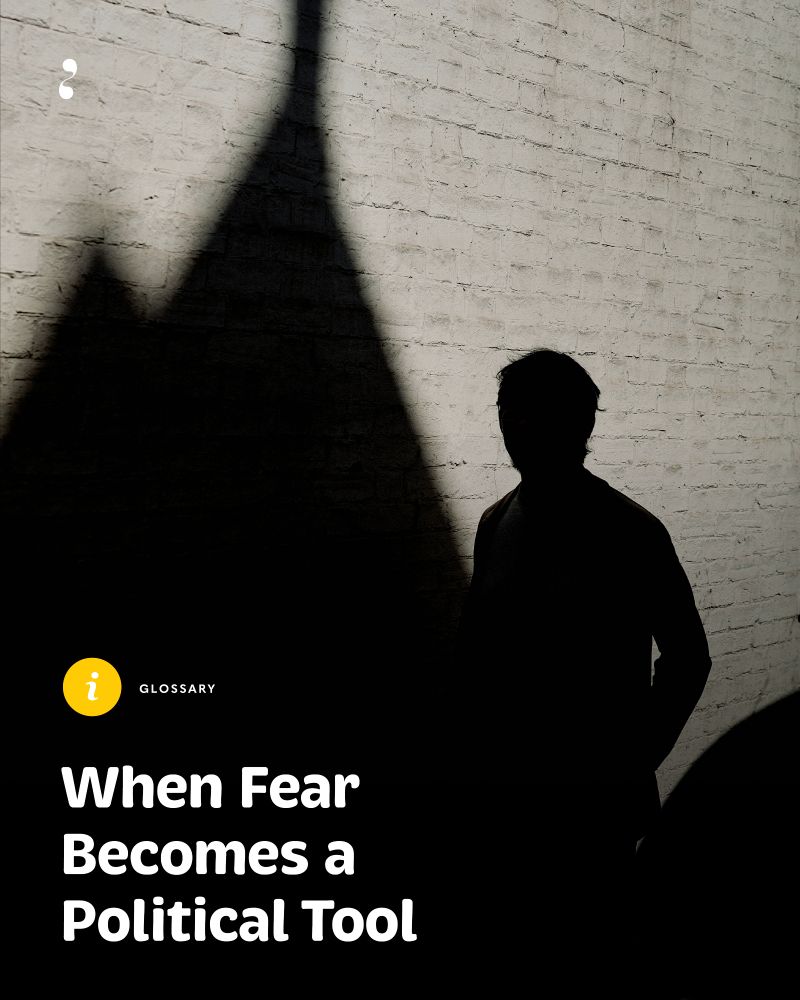
Silhouette of a person standing against a sunlit brick wall, with a sharp triangular shadow stretching upward, cast by an unseen structure. Photo credit: Clem Onojeghuo/Unsplash.
Why do we feel collective fear—climate change, migrants?
Fear protects us from danger and can coordinate smart action. However, it can also be stretched into endless “crisis” talk by politicians, which can manipulate and divide.🧪
Learn how to spot the framing: mores-horizon.eu/glossary/fear
10.09.2025 11:56 — 👍 7 🔁 0 💬 0 📌 0

Smiling young woman with curly hair and eyes closed, radiating joy while raising her hand, overlaid with bold text that reads: “Joy. Pleasant, Powerful, and Political.” Credit: MORES project.
Joy is short-lived—but it forms lasting memories and can be deeply social.
We explore how joy strengthens group identity and brings people together in moments of political meaning. 🧪
Learn why joy matters for democracy: mores-horizon.eu/glossary/joy
#MORESresearch #Emotions #Society #HorizonEU
28.08.2025 07:51 — 👍 4 🔁 2 💬 0 📌 0
![Vasily Goloborodko, a fictional character played by Volodymyr Zelensky (the president of Ukraine) in "Servant of the People [2015-2019]," is depicted wearing a suit, holding a mace, and riding a bike. His expression is serious, and he looks straight forward. The backdrop is golden, with "WORKING PAPER" on the left and a title: "European TV Series Reimagine Populism." Image credit: Servant of the People.](https://cdn.bsky.app/img/feed_thumbnail/plain/did:plc:myrdnidfmedyfwi2luzccst3/bafkreicyhrwz2hx2pztmcvrbd7id46frvmybel3fecc7nfxymihuqzfmlm@jpeg)
Vasily Goloborodko, a fictional character played by Volodymyr Zelensky (the president of Ukraine) in "Servant of the People [2015-2019]," is depicted wearing a suit, holding a mace, and riding a bike. His expression is serious, and he looks straight forward. The backdrop is golden, with "WORKING PAPER" on the left and a title: "European TV Series Reimagine Populism." Image credit: Servant of the People.
New MORES study reveals how TV series portray “angry citizens” rising against elites—not to divide, but to govern inclusively. These fictional stories offer a counterpoint to real-life illiberal populism.🧪
By T.Scherer & co-authors @viadrina.eu
Download the study at: mores-horizon.eu/publications
14.08.2025 09:22 — 👍 2 🔁 0 💬 0 📌 1
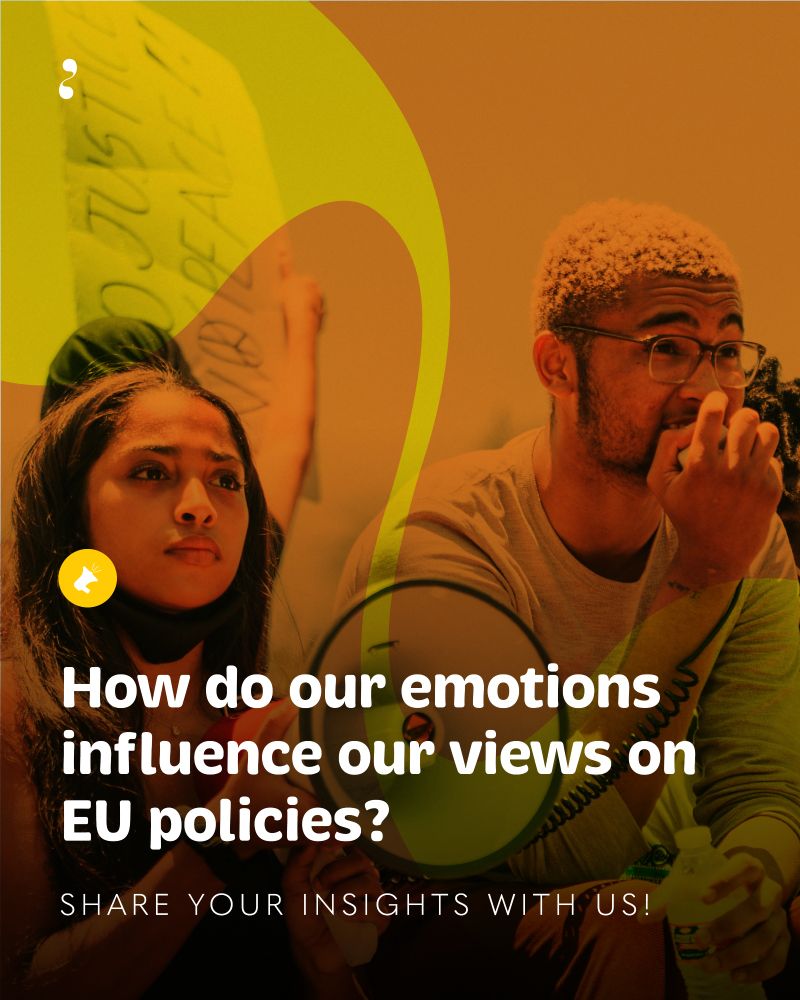
Today is the final day to participate in the @mores-project.bsky.social crowdsourcing!
From climate change and migration to food safety and the war in Ukraine, we want to hear from you!
💬 How have you been feeling?
🗣️ Share your views before midnight: buff.ly/dOaSC3s
11.08.2025 09:49 — 👍 1 🔁 1 💬 0 📌 0

Image shows a woman holding a microphone and pointing her other forward. Title reads: "Moral Emotions to Defend Civil Society. Date: 10-12 September. Local: Online: Time: 10AM-12PM CET". Subtitle: Sign up on our website today. Credit: MORES/Colin Lloyd, Unsplash
Emotions move politics. But NGOs can learn to move people—ethically.
Join MORES’ FREE online Master Class (Sept 10–12) and learn how to:
✨ Activate emotions for good
🛡 Counter toxic manipulation
💪 Lead with resilience
Based on MORES research🧪
Apply by Aug 31: bit.ly/3UPiG7m
#CivilSociety #NGO
06.08.2025 09:30 — 👍 2 🔁 1 💬 0 📌 0
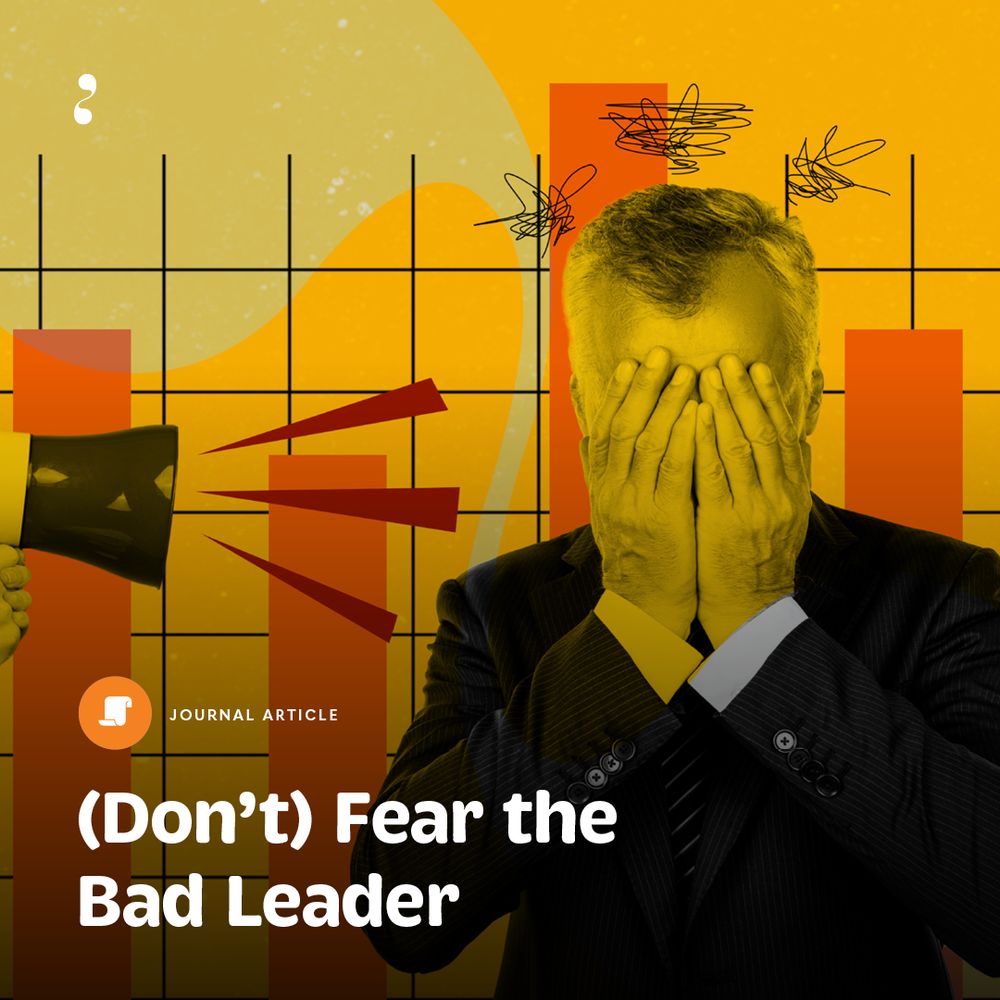
Photo shows an image of a white man covering his face, embarassed. Over it, the caption title reads: "(Don't) Fear the Bad Leader". An icon shows "Journal Article". Credit: MORES/Adobe Stock.
Another peer-reviewed article from MORES is out in Frontiers in Political Science🧪
Rudolf Metz debunks three myths on poor political leadership. It's not always a personality flaw; leadership, followers, and permissive environments contribute.
👉 mores-horizon.eu/publications
#leadership #emotions
22.07.2025 11:28 — 👍 2 🔁 0 💬 0 📌 0
From #AnimalCrossing protests to #Pride parades in @worldofwarcraft.blizzard.com, political life is entering the metaverse.
Read about civic participation in virtual worlds—& stay tuned for a MORES experiment👉 mores-horizon.eu/blog/avatars...
@gameinsociety.bsky.social #MORESresearch #emotions🧪
01.07.2025 11:22 — 👍 5 🔁 3 💬 1 📌 0
📖 Read more about Assya Kavrakova and the ECAS team in our experts page: mores-horizon.eu/experts/assy...
#collaboration #teamwork #research #socialimpact #citizenengagement #crowdsourcing #survey #MORESresearch #emotions #politics #citizenship #policymaking #HorizonEurope @ecas-europe.bsky.social
20.06.2025 12:11 — 👍 1 🔁 0 💬 0 📌 0
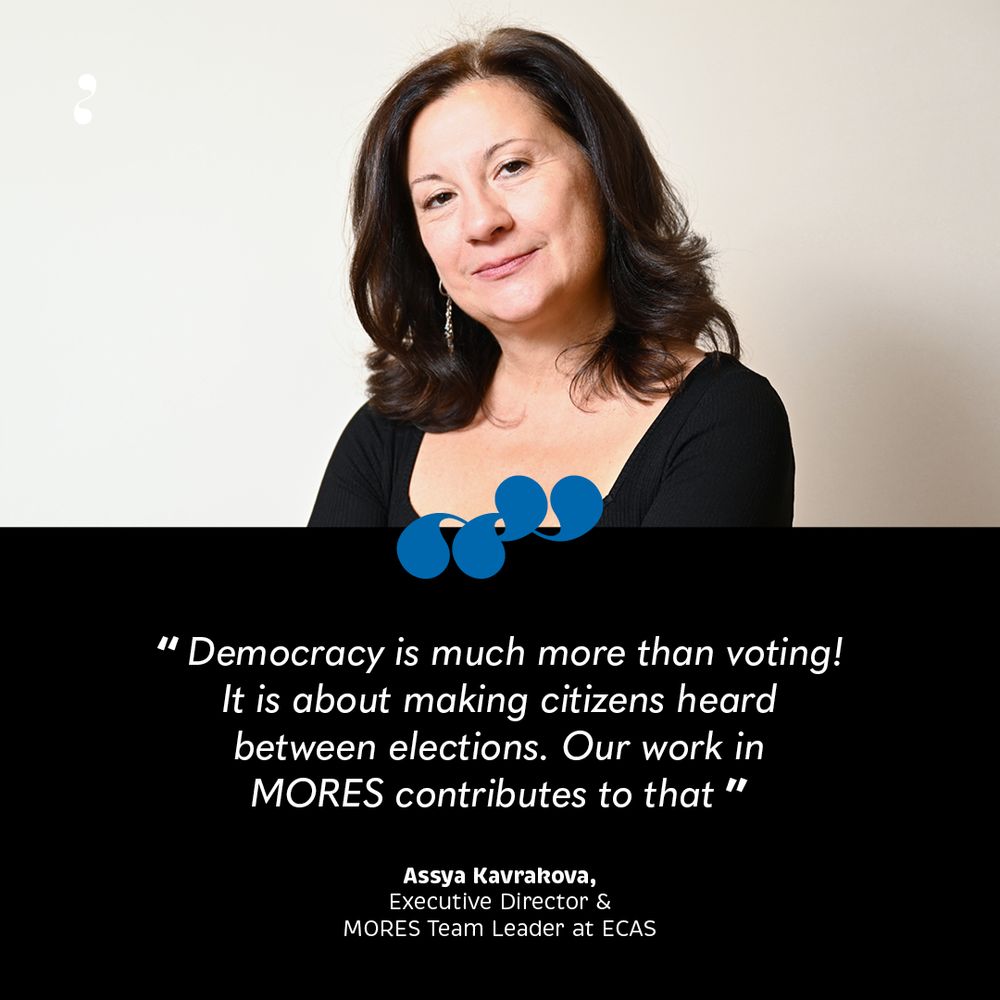
Portrait of Assya Kavrakova, a woman with medium-length dark hair and a calm expression, standing against a plain light background. She wears a black top and gazes slightly to the side. Below her image is a black panel featuring a quote in white italicized text:
“Democracy is much more than voting! It is about making citizens heard between elections. Our work in MORES contributes to that”
— Assya Kavrakova, Executive Director & MORES Team Leader at ECAS.
Three abstract blue speech-bubble-like shapes appear just below her neckline, adding a visual element that suggests dialogue or civic engagement. Credit: MORES. 🧪
Citizens shape policy! 🇪🇺
Meet Assya Kavrakova of @ecas-europe.bsky.social, a MORES partner working to amplify citizen voices in EU policymaking.
She and her team launched a survey to gather our views on war, climate, and more.
Join in: crowdsourcing.ecas.org/en/Mores
#MORESresearch #EUPolicy
20.06.2025 12:04 — 👍 0 🔁 0 💬 1 📌 0
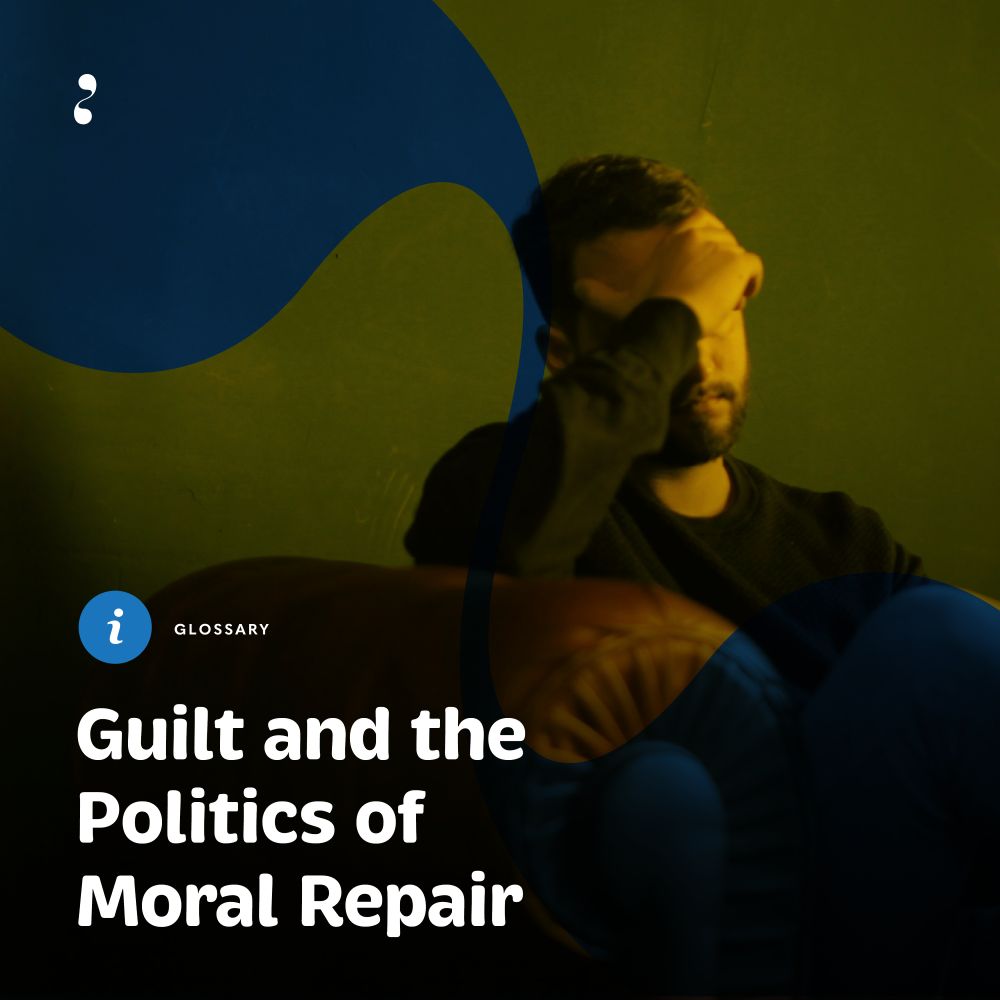
A stylised image of a man sitting on a couch, his hand covering his face in a gesture of emotional strain or contemplation. The lighting casts a warm, moody tone with deep shadows and a greenish-yellow backdrop. Abstract dark blue shapes overlay the frame, adding visual weight. In the lower left corner, a blue circular icon labeled “Glossary” accompanies bold white text that reads: “Guilt and the Politics of Moral Repair.” Photo: Nik Shuliahin/Unsplashed. Image: MORES.
Guilt arises from actions we think have harmed others. But it also shapes politics, from apologies to blame games. The new MORES glossary entry looks at this complex moral emotion & how politicians use (or avoid) it in public life.
Read more: mores-horizon.eu/glossary/guilt 🧪
Follow us for more🙏
18.06.2025 09:06 — 👍 2 🔁 1 💬 0 📌 1
Whether it's hope, anger, pride, or frustration, your emotions are powerful forces in shaping democracy. Through @mores-project.bsky.social, we're exploring how emotions influence public opinion and political decision-making across Europe.
🗣️ Share your perspective: crowdsourcing.ecas.org/en/Mores
08.06.2025 12:55 — 👍 1 🔁 2 💬 0 📌 1
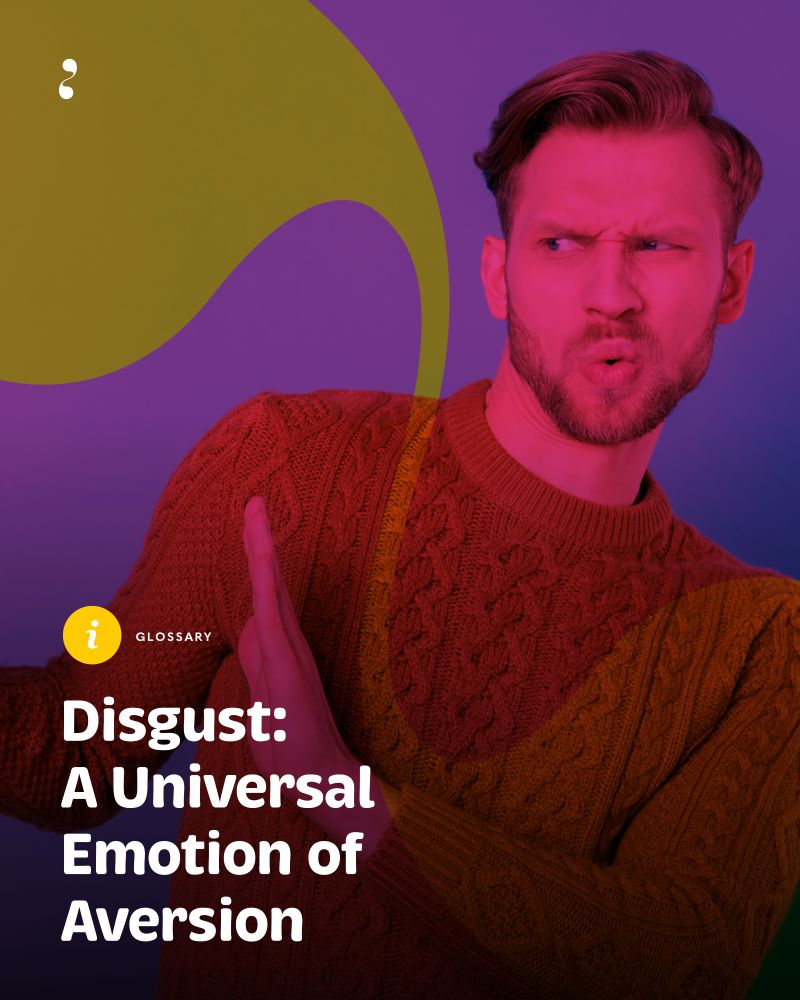
A man with a scrunched face and furrowed brow expresses disgust, holding one hand up in a defensive gesture. He wears a textured orange sweater against a vibrant purple background, overlaid with abstract yellow and pink shapes. The image includes the text: “Glossary – Disgust: A Universal Emotion of Aversion” in bold white lettering. Image: MORES/ Photo: Adobe Stock.
New glossary post from MORES: Disgust.
This moral emotion evolved from food aversion to social condemnation. While it builds cohesion, it can also exclude others.
Explore how disgust shapes public norms and politics.
🧪🔗 mores-horizon.eu/glossary/dis...
#Science #MoralEmotions #MORESresearch
05.06.2025 10:02 — 👍 6 🔁 1 💬 0 📌 0
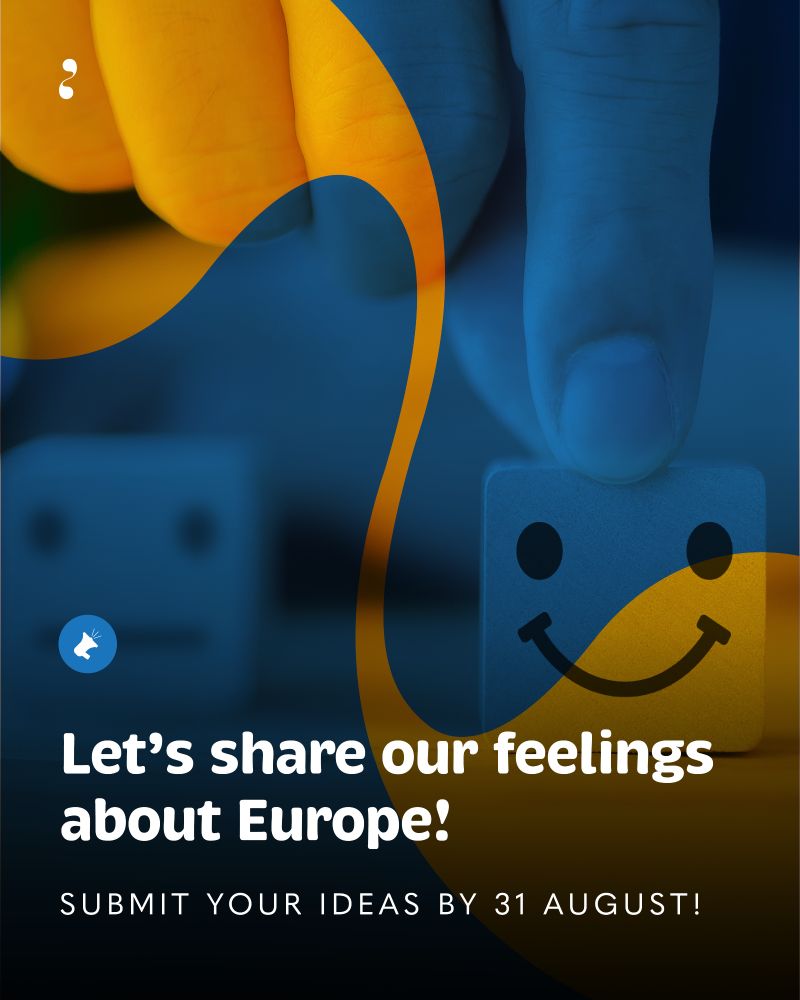
A close-up of a hand placing a smiley-face block in front of a neutral-face block, overlaid with abstract yellow and blue shapes. Text reads: “Let’s share our feelings about Europe! Submit your ideas by 31 August!” A megaphone icon appears beside the message. Credit: MORES.
Anger, pride, contempt—these moral emotions shape how we engage with politics.
🔍 We launched a crowdsourcing activity to learn how emotions affect your views on important EU policies.
Your opinion makes a difference. Have your say:
🔗https://mores-horizon.eu/news/have-your-say-about-eu-policies 🧪
21.05.2025 12:50 — 👍 4 🔁 2 💬 0 📌 1
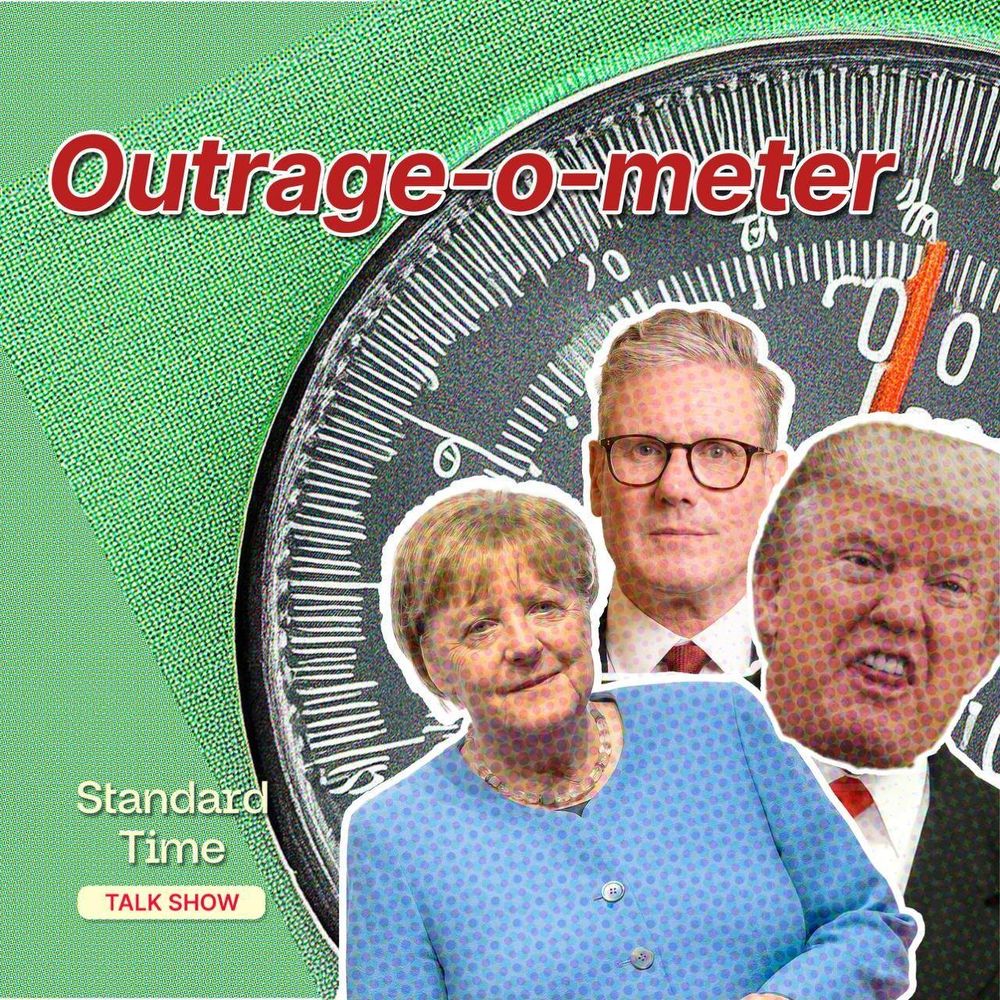
Anger, pride, fear. Moral emotions shape today’s politics. On Standard Time of @eurozine.bsky.social, researchers Boda, Szabó & Salmela from MORES and @pledge-project.bsky.social explore case studies—and why emotions matter.
📻 Watch: mores-horizon.eu/videos
#MORESresearch #Politics #Emotions
20.05.2025 07:42 — 👍 1 🔁 0 💬 0 📌 0
MSCA Doctoral Fellow at the University of Bath - IDEoPOP Network
The English version of openrijk.nl/en offers essential government reads for all non-Dutch speakers.
This is not an official government account!
read more about us:
https://openrijk.nl/en/missie
https://openrijk.nl/en/disclaimer
Politics Professor, University of Manchester.
Author of "The British General Election of 2024", "The British General Election of 2019" & "Brexitland"
My Substack, "The Swingometer", is here: https://swingometer.substack.com/
https://www.robertford.net/
Research Fellow, @demolaw.bsky.social, Zeppelin Universität
Intra-Party Politics | Candidate Selection | Legislative Politics | PolComm | Primaries
Author: Party Transformation in Congressional Primaries https://tinyurl.com/4w6tfvjx
www.mikecowburn.com
Professor at Sciences Po | political competition | political parties | ethnic politics in Europe | guitar music
Political Science Prof at University of Southampton. I study misperceptions, fact-checking, and foreign policy attitudes. American in the UK. he/his (y'all whenever possible). Spurs #COYS.
Assistant professor of political science. I think about identity, stigma, race, and politics more than any normal person should. Lover of life. Pro-democracy.
People should dance more.
Not Hakeem Jeffries, the Minority Leader.
Professor of AI, society, media and democracy + Political Communication, U Amsterdam || Director of Digital Democracy Centre, SDU || AlgoSoc || AIMD || Mix of work and private stuff ||
🇩🇰🇳🇱🇪🇺🏃🏼🧪☕️🍿🐶🟥🦋
Lecturer in Politics, Cardiff University. Political Psychology. Polarization. Political Communication.
👩🏫Professor of democratic political decision making @politikuhh.bsky.social
🔍democracy | parties | gender | CEE🇭🇺 🇵🇱
🛠️TextasData & digital methods
www.theresagessler.eu/ | former @th_ges
🚋⛰️🚴♀️
Prof at Cornell studying how human-AI dialogues can correct inaccurate beliefs, why people share falsehoods, and ways to reduce political polarization and promote cooperation. Computational social science + cognitive psychology.
https://www.DaveRand.org/
Politics Prof @powimz.bsky.social | parties, elections, attitudes, behaviour | right-wing extremism/populism/radicalism https://www.kai-arzheimer.com/
Publishing original and substantial contributions to the study of comparative European politics.
A journal from @ecpr.bsky.social and @cambup-polsci.cambridge.org
Yale SOM professor & Bulls fan. I study consumer finance, and econometrics is a big part of my research identity. He/him/his
Freelancer eyeing a research gig (PhD/think tank). Interests: extremism, nationalism, gender & queer politics, CE Europe, media. Longest-running video editing beginner. Views mine. https://linktr.ee/shotakincha
I study emotions, collectives, technology and their interaction. Harvard Business School | Harvard Psych (affiliated) | D3
Writer for hire of science, music, food, culture, and kids. Podcaster of those things, too.
Audio producer, writer, storyteller, McSweeney's, Cap Times, Wisconsin Life, etc.
MarvelousMarks.com
Dutchman 🇳🇱 in the South 🇺🇸 | Politicoloog 👨🎓 | European politics 🇪🇺 | far-right parties 👌 | soccer & politics ⚽ | groundhopping ⚽️🏉🏒 | punkrock 🎸 | movies 🎥 | columnist ✍️ | straight edge ❌❌❌ | he/him/his 🚹 | all opinions are mine and not of my employer 🗣️