The vascular contribution to cognitive decline in ageing and dementia — a Review by Silvia Anderle, Michael Dixon, Tania Quintela-Lopez, George Sideris-Lampretsas & David Attwell
#neuroscience #neuroskyence
www.nature.com/articles/s41...
@demakarim.bsky.social
I love learning about neurovasculature 🫀🧠 Carle-Beckman Postoc @ UIUC 🌽 PhD ‘22 @ UT Dallas 🤠
The vascular contribution to cognitive decline in ageing and dementia — a Review by Silvia Anderle, Michael Dixon, Tania Quintela-Lopez, George Sideris-Lampretsas & David Attwell
#neuroscience #neuroskyence
www.nature.com/articles/s41...
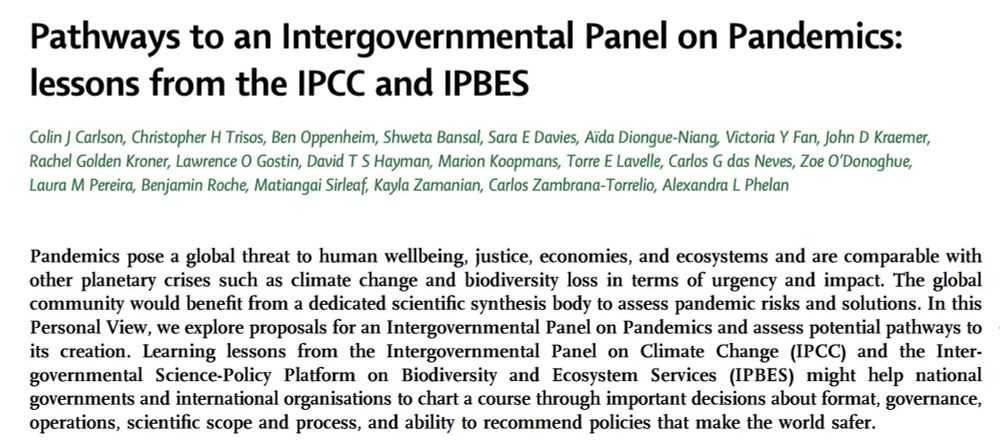
Pathways to an Intergovernmental Panel on Pandemics: lessons from the IPCC and IPBES Colin J Carlson, Christopher H Trisos, Ben Oppenheim, Shweta Bansal, Sara E Davies, Aïda Diongue-Niang, Victoria Y Fan, John D Kraemer, Rachel Golden Kroner, Lawrence O Gostin, David T S Hayman, Marion Koopmans, Torre E Lavelle, Carlos G das Neves, Zoe O’Donoghue, Laura M Pereira, Benjamin Roche, Matiangai Sirleaf, Kayla Zamanian, Carlos Zambrana-Torrelio, Alexandra L Phelan Pandemics pose a global threat to human wellbeing, justice, economies, and ecosystems and are comparable with other planetary crises such as climate change and biodiversity loss in terms of urgency and impact. The global community would benefit from a dedicated scientific synthesis body to assess pandemic risks and solutions. In this Personal View, we explore proposals for an Intergovernmental Panel on Pandemics and assess potential pathways to its creation. Learning lessons from the Intergovernmental Panel on Climate Change (IPCC) and the Intergovernmental Science-Policy Platform on Biodiversity and Ecosystem Services (IPBES) might help national governments and international organisations to chart a course through important decisions about format, governance, operations, scientific scope and process, and ability to recommend policies that make the world safer.
🚨 Very, very big news. Today, a global coalition - including members of the IPCC, IPBES, and WHO expert advisors, as well as independent virologists, epidemiologists, and lawyers - started the process of creating an "IPCC for Pandemics."
🔓 www.thelancet.com/journals/lan...
🧵 Five things to know 👉
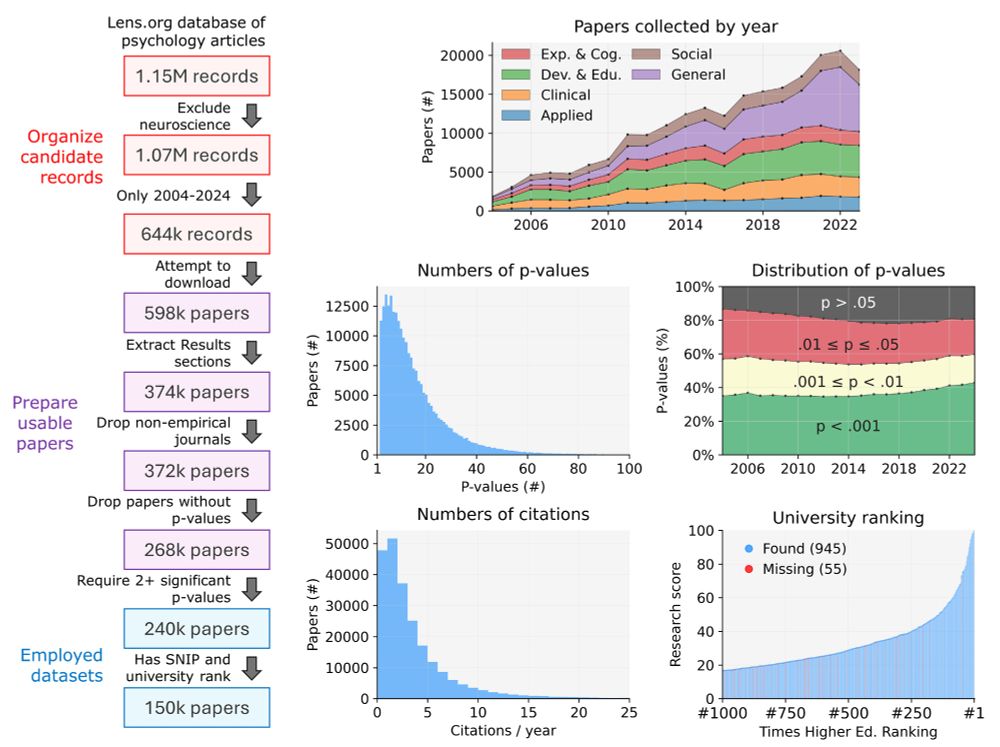
Figure 1 of the paper
🚨New paper!🚨
Meta-analysis on 4M p-values across 240k psych articles: How has psychology changed since the replication crisis began? How is replicability linked to citations, impact factor, and university prestige? 🧵
Paper: journals.sagepub.com/doi/10.1177/...
Interactive: pbogdan.com/meganal

ICYMI: In this essay for our series on sex differences in the brain, @nmbaran.bsky.social explains why it’s important for students to learn about the dynamic, complex process by which sexual differentiation occurs.
#neuroskyence
www.thetransmitter.org/sex-differen...
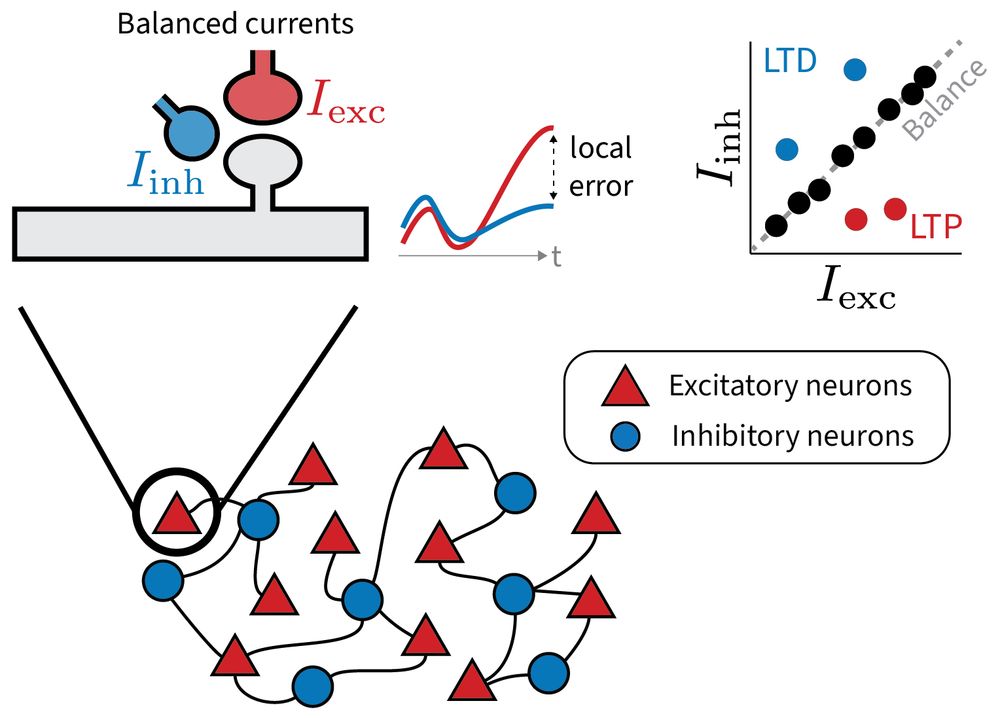
1/6 Why does the brain maintain such precise excitatory-inhibitory balance?
Our new preprint explores a provocative idea: Small, targeted deviations from this balance may serve a purpose: to encode local error signals for learning.
www.biorxiv.org/content/10.1...
led by @jrbch.bsky.social

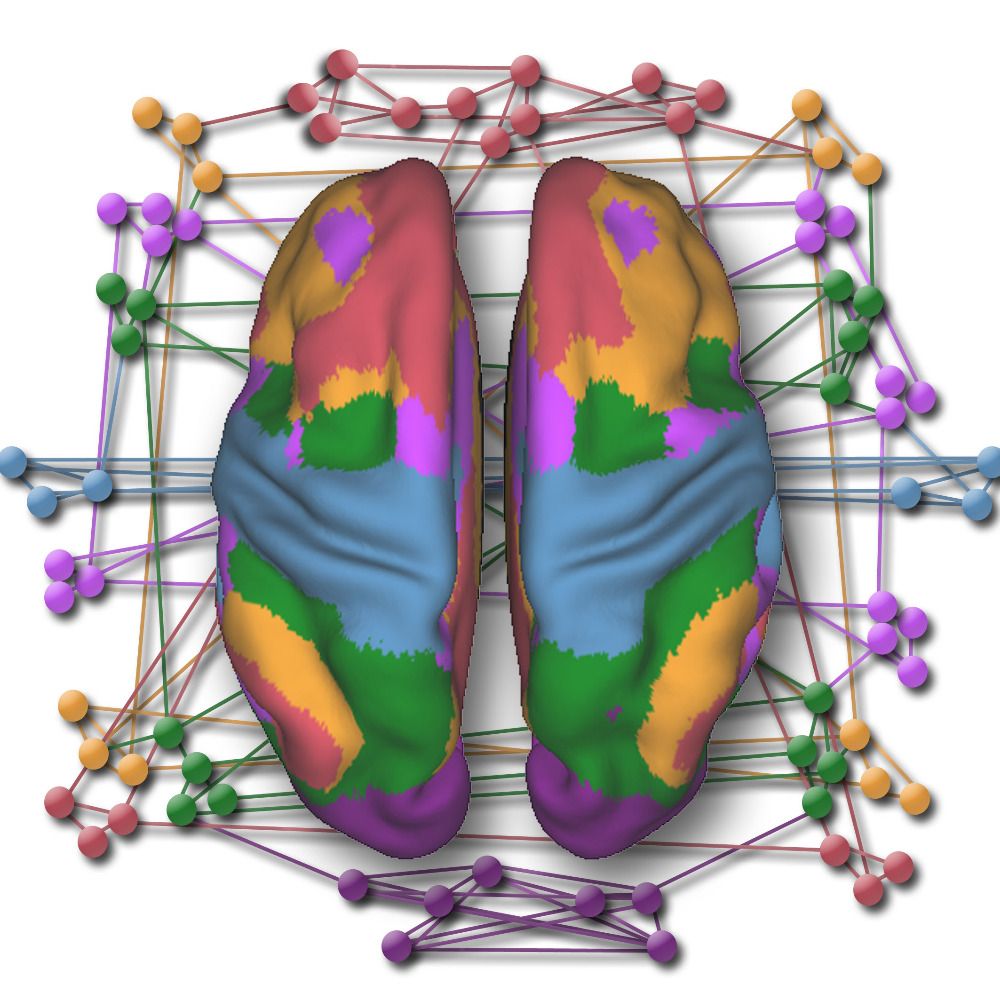
When I first started working with resting state fMRI as a postdoc, there was a lot of skepticism about what we could learn from it. 20 years later, it's hard to imagine where the field of neuroscience would be without it. Here's a summary 🧠 www.nature.com/articles/s41...
28.05.2025 15:52 — 👍 168 🔁 77 💬 1 📌 2
Confounds, and signals of interest in their own right!
Also interesting that resting state heavy hitters have been warning about physiological confounds since the 90s, and it’s still an issue (excerpt below from Dagli, Ingeholm, and Haxby 1999)
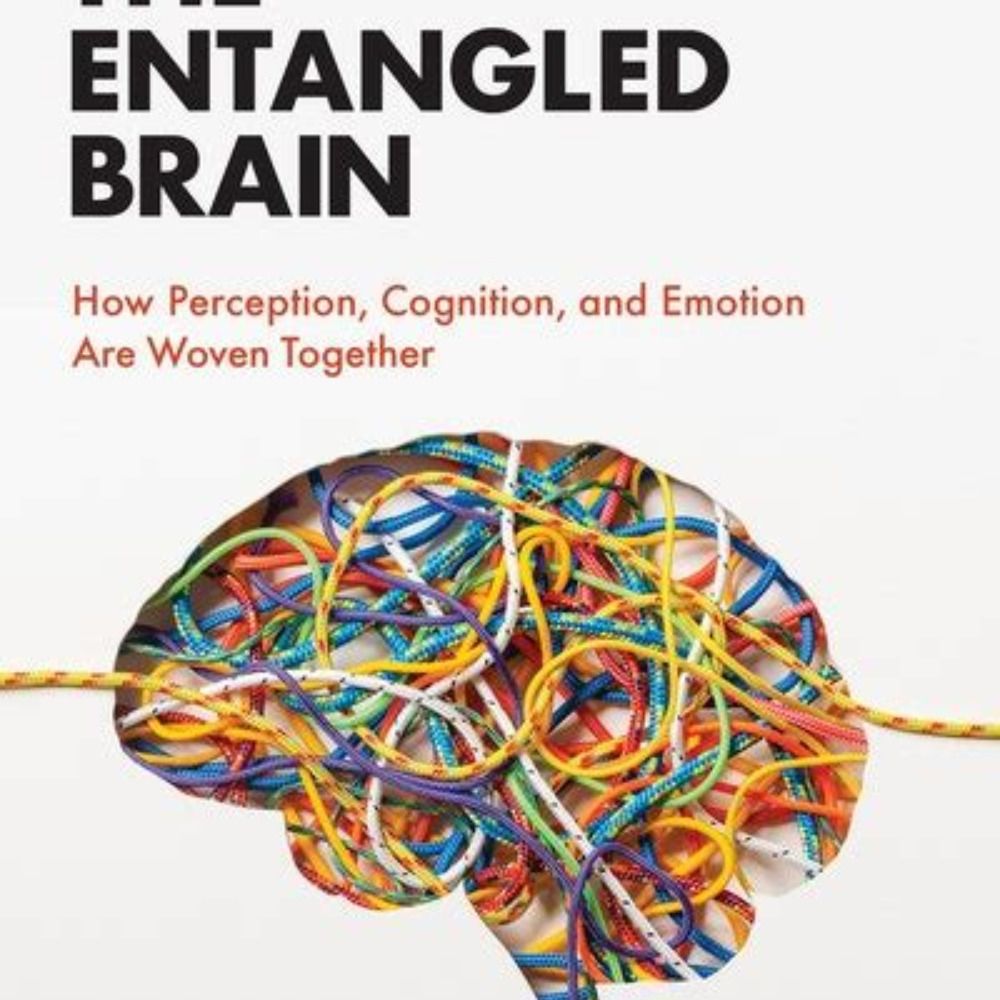
🧠 NEW REVIEW
"Interoceptive Rhythms & Perceptual Experience
Mechanisms, Contexts & Strategies for Real-World Research"
How heart, lungs & gut shape what we see, feel & do—& how to study it in everyday life.
🔗 tinyurl.com/4ex7chdr
#NeuroSky #Interoception #Perception
👇 Thread 🧵
Starting up my bluesky account on a rainy day...
16.05.2025 21:07 — 👍 0 🔁 0 💬 0 📌 0