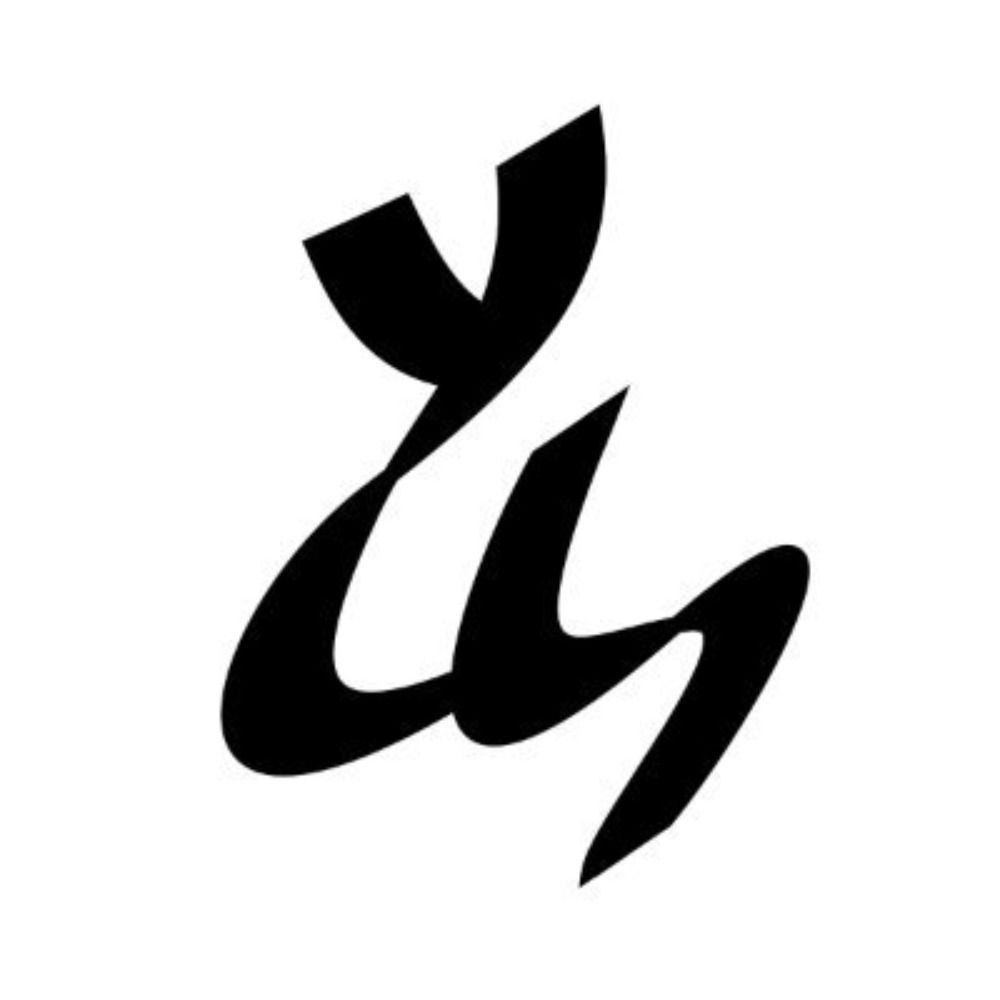
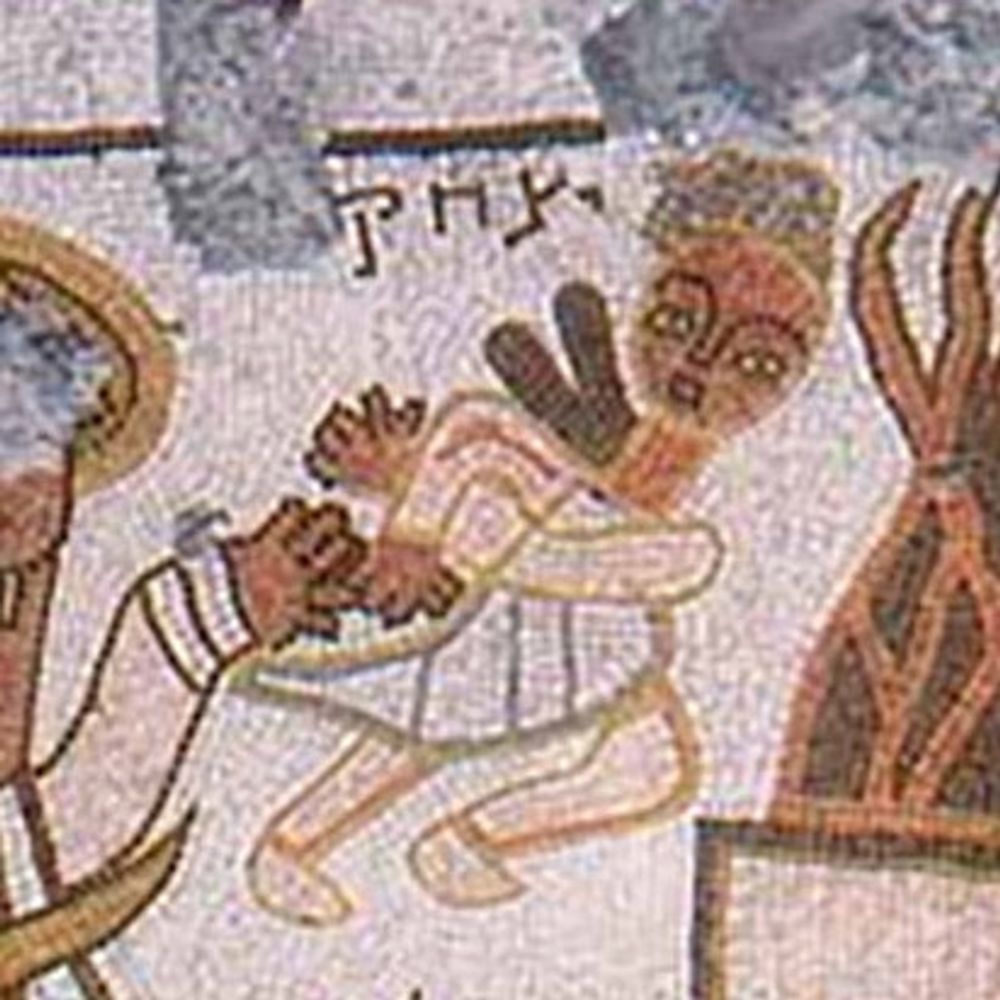
Doesn’t clear up much.
31.12.2025 02:14 — 👍 1 🔁 0 💬 0 📌 0
/a/ in Τάαυτος, grecized form of the Phoenician name for Thoth (presumably *ṭḥwt).
/i/ in ᵐti-ḫu-ut-ar-ṭe-e-si, an Achaemenid-era cuneiform representation of the name Θοτορταῖος/ḏḥw.tj-j.jr-di̯⸗s.
/u/ in Hebrew טֻחוֹת (ṭuḥōṯ), if this word does indeed refer to the ibis in Job 38:36.
31.12.2025 02:14 — 👍 1 🔁 0 💬 1 📌 0
Afaik there are 3 surviving testimonies regarding the first vowel in the name of the god Thoth (ḏḥw.tj).
31.12.2025 02:14 — 👍 2 🔁 0 💬 1 📌 0
ⲡⲓⲭⲣⲓⲥⲧⲟⲥ ⲁⲩⲙⲁⲥϥ!
26.12.2025 02:28 — 👍 4 🔁 0 💬 0 📌 0
a neat pun we found in Coptic reading group:
ⲡⲁⲓ ϩⲱⲱϥ ⲟⲛ ϥⲛⲁⲁⲁⲩ ⲁⲩⲱ ϥⲛⲁⲣⲛⲉⲧⲛⲁⲁⲁⲩ ⲉⲣⲟⲟⲩ.
"he himself will do them too"
(ⲛⲁ-ⲁⲁ-ⲩ "will do them" [great works])
".. and he will do [things] which are greater than they"
(ⲛⲁⲁⲁ-ⲩ "they are great")
08.12.2025 17:52 — 👍 19 🔁 3 💬 1 📌 0

>open up pre-Columbian codex
>first page is a giant Cross pattée with a Cross of Burgundy inside
06.12.2025 00:54 — 👍 6 🔁 0 💬 1 📌 0
came across this gem in Coptic reading group today:
ⲟⲩⲗⲁⲥ ⲛⲥⲁⲣⲝⲡⲉ ⲡⲁⲗⲁⲥ ⲁⲩⲱ ⲟⲩϩⲏⲧ ⲛⲣⲱⲙⲉ ⲡⲉⲧⲙⲙⲟⲓ
"my tongue is a tongue of flesh, and mine is a human heart"
(referring to the author's own human limitations in writing adequate praises of a saint)
10.11.2025 21:52 — 👍 27 🔁 4 💬 0 📌 0
Late Latin drictus 🤝 Middle Chinese 直 drik
06.11.2025 05:03 — 👍 0 🔁 0 💬 0 📌 0
when i was growing up in socal the standard pronunciation of j in foreign words was [h], as in spanish, so we’d be saying stuff like falluhah and rohava
06.11.2025 04:56 — 👍 5 🔁 0 💬 0 📌 0

old japanese be like “woman”
10.10.2025 01:02 — 👍 44 🔁 14 💬 3 📌 1
correct!
06.10.2025 11:00 — 👍 1 🔁 0 💬 0 📌 0
Certain epichoric Greek alphabets wrote ξ (x) as 𐌇𐌔 (hs). Pinyin vs. Wades-Giles has been going on far longer than anyone could’ve imagined.
06.10.2025 08:15 — 👍 10 🔁 3 💬 1 📌 0
proposal in question: brill.com/view/journal...
16.04.2025 12:38 — 👍 0 🔁 0 💬 0 📌 0
What we really need is a good Indological transcription system for Middle Chinese. Hill’s proposal is a step in the right direction, but still not quite right. Every government in the world should have agencies working round the clock on this.
16.04.2025 12:38 — 👍 2 🔁 0 💬 1 📌 0
YouTube video by Baalcycle
Which is harder – Greek or Hebrew? Wikander's "Banal Yet 'MINDBLOWING' Biblical Studies Facts" #1
New video series by yours truly on Biblical and Semiticist stuff – "banal [within the field], yet awesome" facts and opinions. First episode out now, on whether Greek or Hebrew is harder for beginners:
www.youtube.com/watch?v=4726...
16.04.2025 00:38 — 👍 16 🔁 5 💬 0 📌 0
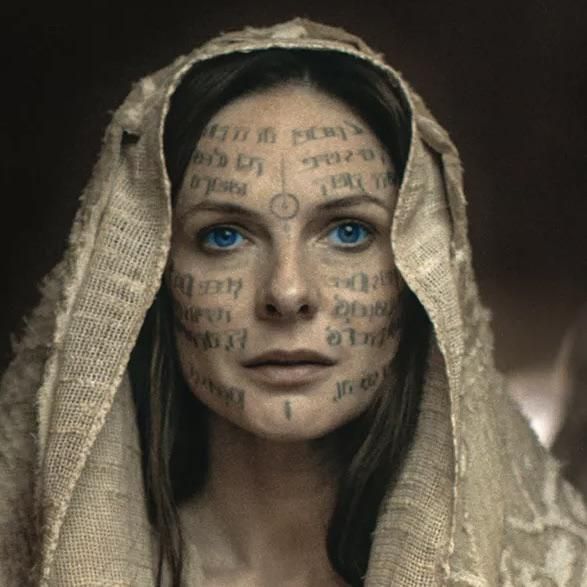
love this script
15.04.2025 12:24 — 👍 2 🔁 0 💬 0 📌 0
ⲧϩⲟⲧⲉ ⲇⲉ ⲡⲣⲉϥⲙⲟⲩⲟⲩⲧ ⲙⲡⲙⲉⲉⲩⲉ ⲧⲉ
11.04.2025 12:55 — 👍 1 🔁 0 💬 1 📌 0
ooh, will definitely be doing this
09.04.2025 11:17 — 👍 0 🔁 0 💬 1 📌 0

just got nasal ʿayin jumpscared by a 17th century dictionary of Vietnamese
01.04.2025 21:28 — 👍 17 🔁 5 💬 1 📌 1
anyone ever point out that Αἰθίοπες appears to be a translation of 𒊕𒈪𒂵/ṣalmāt-qaqqadim (Sumerian autonym)?
13.12.2024 08:14 — 👍 3 🔁 0 💬 0 📌 0
 30.11.2024 00:00 — 👍 2 🔁 0 💬 0 📌 0
an Egyptian source makes about zero sense here, idk what in the world Erman, Albright, and Lambdin were cooking with that 🤦
27.02.2024 12:52 — 👍 1 🔁 0 💬 0 📌 0
I know Phoenician isn’t one for matres lectionis, so I’d imagine this has to be read as a consonantal /ʔ/?
Also interesting to note that Pûlu (Babylonian name of Tiglath-Pileser III) is likewise spelled pʾl in the Phoenician section of the İncirli Stele (against Biblical פּוּל). Hmm...
27.02.2024 00:42 — 👍 2 🔁 0 💬 0 📌 0

Anyone know what’s up with with the aleph in Phoenician pʾl ‘(Egyptian) beans’ in KAI 51 Vs. 4? No parallel in the Semitic cognates (Heb. פּוֹל, Aram. פּוֹלָא, Ar. فُول, Ge. ፉል, etc.), but it does look suspiciously like Bohairic ⲫⲉⲗ ‘bean’, which would go back to Proto-Coptic *pʰɛʔl.
27.02.2024 00:41 — 👍 4 🔁 1 💬 1 📌 0

I was having trouble reconciling the Tiberian form with Ugaritic a͗byn, but apparently *a > ɛ is regular in this position. Thanks Garr! (from “The Seghol and Segholation in Hebrew”)
26.02.2024 22:07 — 👍 2 🔁 0 💬 0 📌 1

was finally able to complete this etymology tree
26.02.2024 22:06 — 👍 9 🔁 0 💬 2 📌 0
The site I share translations and thoughts of philological interest on: https://philologicaltryouts.substack.com/. Enjoys dabbling in Literary Chinese, Semitic Studies, Sanskrit, Pāli, Polemical Texts, and other stuff. Trying to discover Albanian & Burmese
Not actually a bot. Posting excerpts from Hesiod's Theogony line-by-line curated by @mattitiahu.bsky.social.
Greek text follows M.L. West. 1966. Hesiod: Theogony with Prolegomena and Commentary. Oxford: Clarendon Press.
assoc. prof. linguistics @ucalgary.bsky.social
Matuww is a project involving linguistics, history, and art on the phylogenetic relationships of writing scripts descended from Egyptian hieroglyphs, showing how connected we are as humans.
𓏞 Project link: matuww.com
https://www.ko-fi.com/matuww
Collection of Coptic grammar resources in one handy place! https://coptic.wiki
Other links:
https://buymeacoffee.com/copticwiki
https://ko-fi.com/copticwiki
https://patreon.com/CopticWiki
https://twitch.tv/copticwiki
Linguist and translator.
Languages spoken: PL/EN/ES/LAD/CA/PT/YI/DE (more or less in the order of fluency)
↙️ ↙️ ↙️
Mastodon: @ausir@wandering.shop (English), @ausir@meowr.me (polski)
he/him on/jego http://pronouns.page/@ausir
Historical linguist. Associate professor of Indo-European Studies at the University of Copenhagen. – Telefon: 60 70 56 89.
þe hıne æꞇ ꝼꞃumꞅceaꝼꞇe
ꝼoꞃð onꞅenꝺon ǽnne oꝼeꞃ ẏðe
Teacher-scholar of religion and ancient Christianities. Coptic language lover. Fighting for the Undercommons. Currently a Lecturer @ Spelman College | Assistant Editor of the Journal of Interreligious Studies
Website: https://lcbmphd.com/
Aramaics, Coptic, Gəʕəz, Arabic, Iran. langs, Turk. langs, Old Georgian, Old Armenian 🎸🌱🍄☕️
Research Assoc., CSWR/HDS
Texts & Translations of Transcendence & Transformation (4T) https://tinyurl.com/494v9n59
The Pearlsong https://tinyurl.com/msajp4ut
Catedràtic de Lingüística Indoeuropea (Universitat de Barcelona)
Director de l'Institut Universitari del Pròxim Orient Antic (IPOA), UB
Visual Interactions in Early Writing Systems (VIEWS) is a Cambridge Uni project funded by UKRI, and host of the Endangered Writing Network.
For more information please visit our websites: https://linktr.ee/viewsproject?utm_source=linktree_profile_share
Academic books, journals and news from the Linguistics department at De Gruyter Brill @degruyterbrill.bsky.social, including its imprint Mouton. Posts by our editors.
Engenhaire logiciau guian. Un d'aqueths neolocutors. Giftedness information and Windows Vista appreciation account. Ղարաբաղ Էրմէնիստանտըր.
Judith Butlerian Mujahid
3SG.NOM/3SG.OBL
Aspiring Court Eunuch.
Native Epun speaker
Studying Deceit & Whimsy.
"Linguist" (asymptomatic)
All views are not mine and are of Three Sentient Rats in my closet
Traditional-egalitarian neo-misnagdic liturgical maximalist. Yes, I'm the one who made that steamed hams megillah. איהו/ליה (that’s he/him in Aramaic)