Aging lab @Stanford. Our interests include mechanisms of aging, brain aging and rejuvenation, neural stem cell aging, genetics of lifespan and suspended animation in killifish
OHSU Ph.D. Candidate
Saldivar Lab
Always searching for enchiladas. Reskeets are not endorsements.
Assistant Professor at Wayne State University in Detroit. Endocrine Toxicologist studying endocrine disruptors, chemical mixtures, & metabolic health. Mediocre runner, amateur wine-maker and baker, and expert dog lover.
Assistant Professor in the Division of Oncological Sciences, OHSU. Spatial proteomics; prostate cancer; cancer neuroscience. https://www.eksilab.com
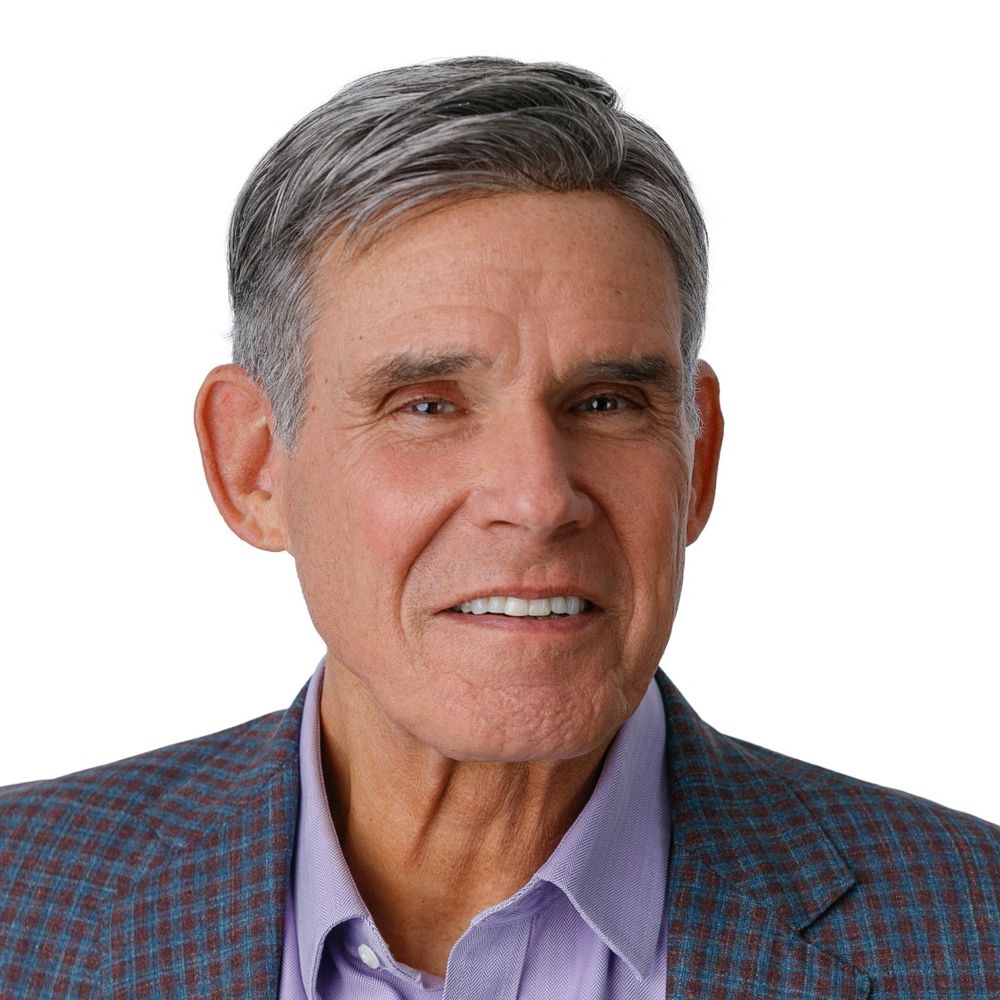
physician-scientist, author, editor
https://www.scripps.edu/faculty/topol/
Ground Truths https://erictopol.substack.com
SUPER AGERS https://www.simonandschuster.com/books/Super-Agers/Eric-Topol/9781668067666
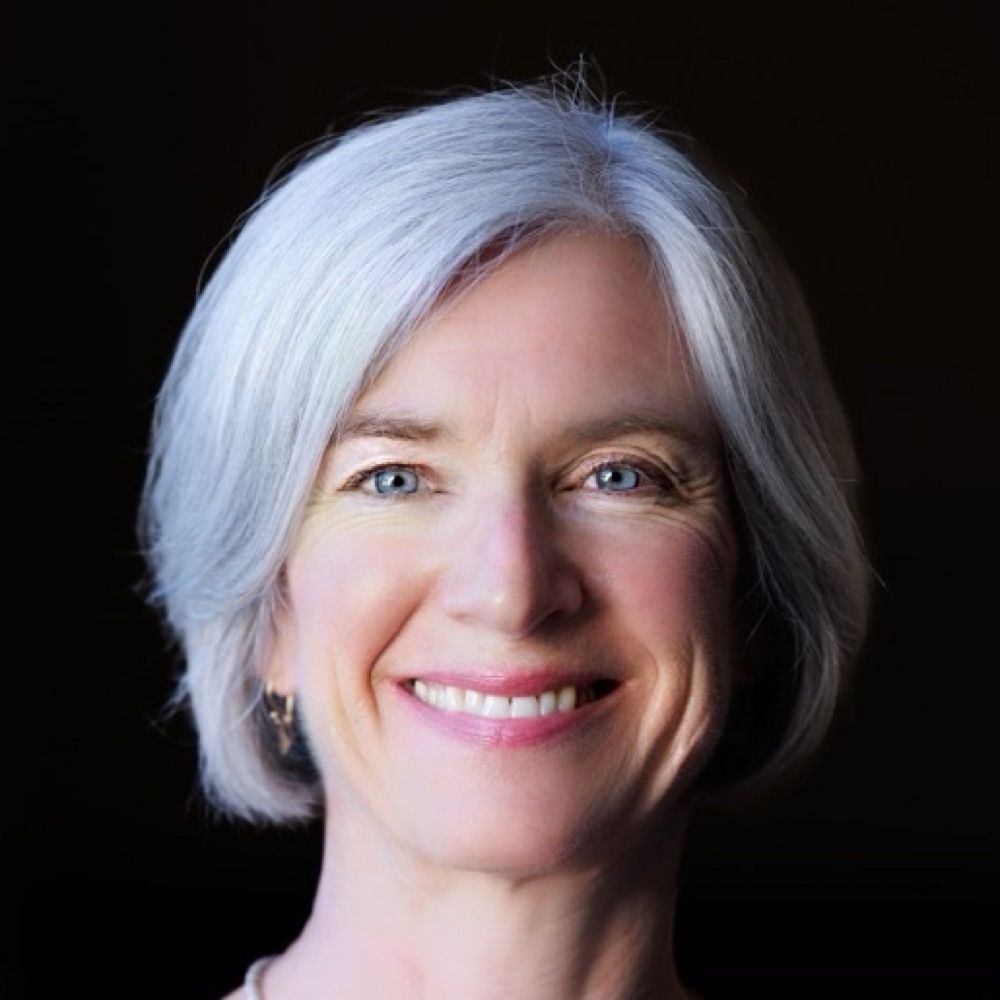
Doudna Lab at UC Berkeley, Innovative Genomics Institute founder, CRISPR co-inventor and Nobel laureate innovativegenomics.org/
News from Jennifer Doudna's lab at UC Berkeley, Innovative Genomics Institute. Tweets from lab members and not Jennifer Doudna unless signed JD. Tweets represent personal views only.
doudnalab.org
Scientist, educator, parent. Environmental and Molecular Toxicology, Oregon State University. Anti-fascism. Feminist.
Scientist studying one-carbon metabolism
Computational Biology Core at the University of Connecticut. Genomics, bioinformatics, evolution. Also nature, natural history. A little too into birding.
https://scholar.google.com/citations?user=IbPpB9sAAAAJ&h
www.linkedin.com/in/jiri-zavadil
Nature Portfolio’s high-quality products and services across the life, physical, chemical and applied sciences is dedicated to serving the scientific community.
Assistant professor at the University of Toronto Scarborough. We investigate the effects of anthropogenic pressures on health. I❤️hormones, frenglish. Chroniques environnement @ Moteur de Recherche - Radio-Canada
Dean’s Professor of Cancer Biology @ Brown University, Legorreta Cancer Center. My lab studies Poly(ADP-ribose)-dependent protein complexes and their role in DNA repair and the cellular response to environmental genotoxins and chemotherapy.
Senior Research Scientist | Genetic Toxicology | Genomics | Germ Cells | Mutations
HESI is a non-profit institution whose mission is to collaboratively identify and help to resolve global health and environmental challenges through the engagement of scientists from academia, government, industry, NGOs, and other strategic partners.
-Professor, Dept of Biology, University of Ottawa
-Canada Research Chair in Genomics and the Environment
-Still climbing, running, and snowboarding for now!
Associate Professor and Graduate Program Director, Environmental Science, Baylor University. Editor-in-Chief of Ecotoxicology. Evolutionary Toxicology, Aquatic Ecotoxicology, fishing, wildlife photography, fossils, conservation, Galapagos, water,….